Reviewed · COMMUNIST HISTORY TOURS
Private Bucharest Communist Tour with the People’s House and Ceausescu Residence
If you want Bucharest to feel less like a photo backdrop and more like a lived-in story, this kind of day trip is a strong choice. You’ll stand in some of the most politically loaded buildings in Romania, then move through neighborhoods shaped by Ceaușescu’s grip on power. Two big reasons I like it are the Palace of Parliament (huge, strange, and hard to forget) and the chance to see both the Ceaușescu Residential Palace and the darker human side of the system.
What I especially appreciate is how the day is led by English-speaking guides who tell the story with names, dates, and on-the-ground detail, like Mihae, Marcel, Bogdan, Ciprian, Nicole, and Alexandra. One drawback to consider is that this is heavy history, and the day includes an extra lunch stop plus a non-included Palace photo fee, so your budget should flex a bit.
Key things to know before you go
- Two major power-symbol stops with timed entry built around Ceaușescu-era landmarks
- Hotel pickup and drop-off so you can focus on the sites, not maps and taxis
- Spark House + Central Communist Press links that explain how propaganda worked in daily life
- A lunch pause in older-style Bucharest where the setting is part of the experience
- A memorial museum visit that keeps the focus on victims, not just buildings
- Private guide for your group only with flexibility if you want to ask extra questions
Why Communist-Era Bucharest hits different
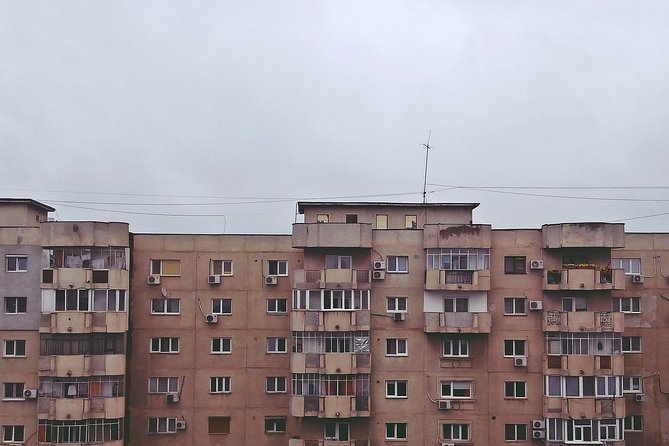
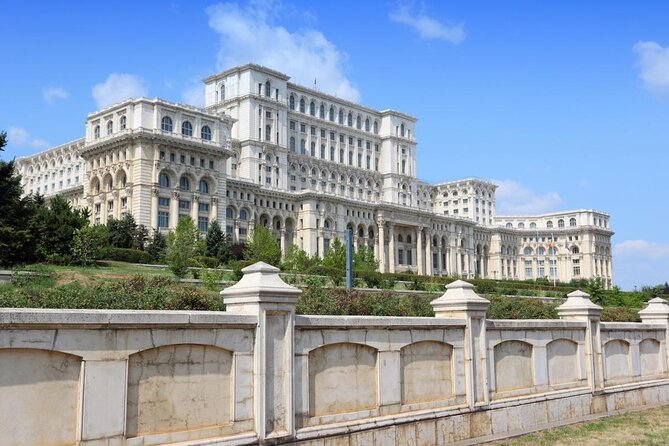
Bucharest’s Communist story is written in concrete. It is in the scale of the buildings, in the neighborhoods that were reshaped, and in the way ordinary people were managed through fear, censorship, and propaganda. That is why this tour works as more than a sightseeing checklist.
You get a guided walkthrough of places that were designed to project power, then you balance it with reminders of the regime’s cost. This matters because, without context, a palace can look only like architecture. With a good guide, it becomes a lesson in how political systems try to control a country’s physical space.
More tours covering the communist period in Bucharest:
- The Real tour of Communism
★ 5.0 · 666 reviews - Life under Communism
★ 5.0 · 358 reviews - 3-Hour Guided Tour of Communist Bucharest
★ 4.9 · 303 reviews
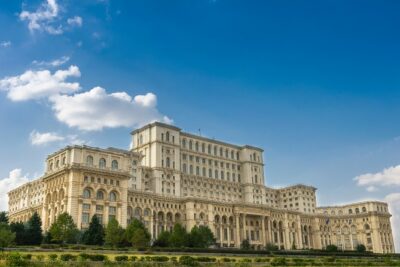
The Palace of Parliament, the scale that takes your breath (and your brain)
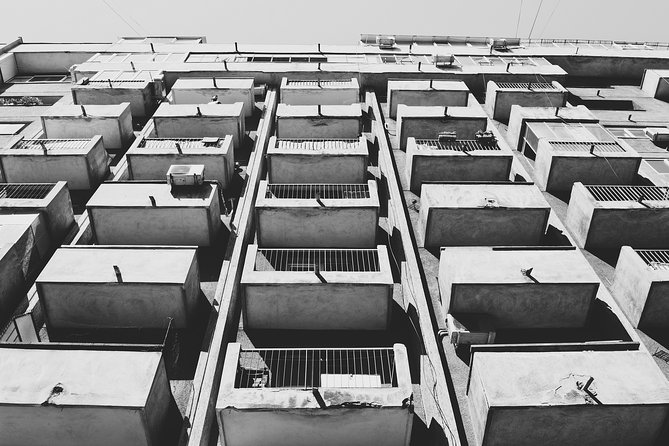
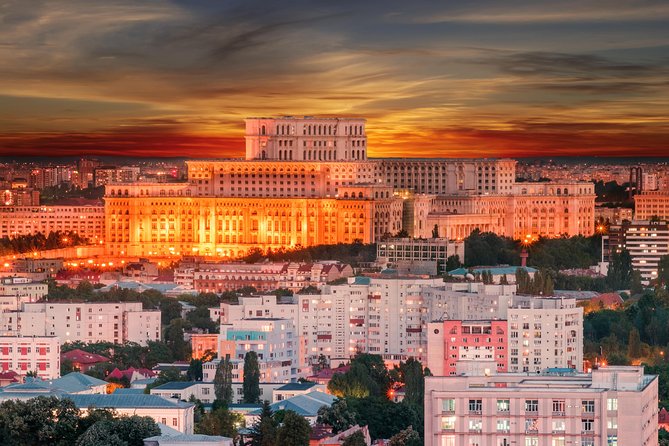
The day starts at the Palace of Parliament, also known as Ceaușescu’s Palace and originally titled the House of the Republic. Construction ran from 1984 to 1997, and the building is listed with Guinness World Records as the largest administrative building in the world, at 240 meters long, 270 meters wide, and 84 meters high.
It is easy to overhype this kind of site. Still, the numbers alone do not prepare you for how it feels once you’re there. The key is to look past the wow factor and listen for what your guide points out about why it was built, who benefited, and what it meant for the rest of the city.
A practical tip: plan for the interior to be time-restricted. The tour includes about 1 hour here, with the admission ticket included, so you’ll want to keep your questions focused. If you’re sensitive to crowds or long lines, go in with patience, because this is Bucharest’s most famous draw.
Also note the photography fee is not included, so if you like taking pictures inside, bring cash or plan ahead.
Spark House and what propaganda looked like up close
One of the most interesting in-between moments is the stop for the Spark House, formally described as the headquarters of the Central Communist Press. This is not just a building to glance at. It connects the propaganda machine to the physical places where messages were produced and distributed.
Even if you’ve read about censorship before, you’ll get a different understanding when you see the kind of infrastructure governments built to control information. A good guide will help you connect what you’re seeing to how people lived, worked, and learned what they were allowed to know.
This part of the day is also a chance to shift from “powerhouse architecture” into “powerhouse operations.” It makes the story more complete, and it breaks up the heavy themes.
The neighborhood Ceaușescu’s family lived in, and why that route matters
Another highlight is getting routed through the formerly inaccessible area tied to Ceaușescu and his family. You’re not just passing along a famous boulevard. You’re moving through a part of Bucharest that was shaped by privilege and control, the kind of space ordinary residents could not easily access.
What makes this segment valuable is how it turns the Communist story from abstract to spatial. You’ll start thinking about the city like a set of barriers and permissions, not just streets and buildings. That’s the kind of mental shift that makes the rest of your trip in Romania feel more meaningful.
Other Bucharest tours to compare
- Castles of Transylvania: Private Day Trip from Bucharest
★ 4.5 · 248 reviews - Dracula’s Castle, Peles Castle and Brasov – Private Day Trip from Bucharest
★ 5.0 · 211 reviews - Best of Bucharest | Private Walking Tour
★ 5.0 · 199 reviews - Bucharest Panoramic Sightseeing – Private City Tour
★ 5.0 · 128 reviews
Lunch in Soviet-era atmosphere, where the setting tells a story too
Between the big monuments, you’ll stop for lunch at a local restaurant that keeps the atmosphere of Soviet-era Bucharest. Lunch is listed as not included, with an approximate cost of €13 per person, so treat it like a normal meal budget rather than a bonus.
This stop is not about fancy food. It is about comfort and context. When you eat somewhere that feels rooted in the old rhythms of the city, you get a calmer rhythm to your thinking, especially after the intensity of the Parliament visit and the political themes that follow.
If you’re sensitive to long meal timing, aim to eat quickly but well. This tour runs about 6 to 8 hours, so you’ll want energy without dragging the schedule.
The Memorial Museum, remembering victims with more than symbolism
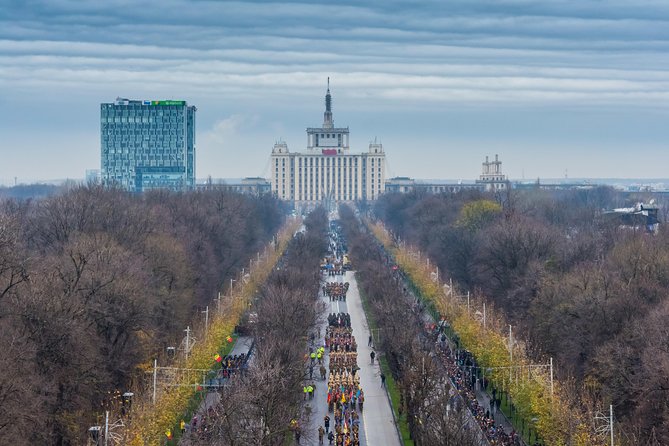
A key part of the experience is paying tribute to political prisoners and other victims at a memorial museum. This is the part where the tour stops being only about buildings and becomes about people.
I like memorial stops that are guided, because it prevents you from treating the site like a photo op. When your guide explains how persecution worked, and who suffered, you understand why Romania preserves memory in places like this.
If you’re traveling with teenagers or family members, this museum visit can still work, but it may be emotionally heavy. The tour sets the minimum age at 12, so you’ll want to judge your group’s readiness for difficult topics.
Ceaușescu Residential Palace, the Spring Palace as a museum
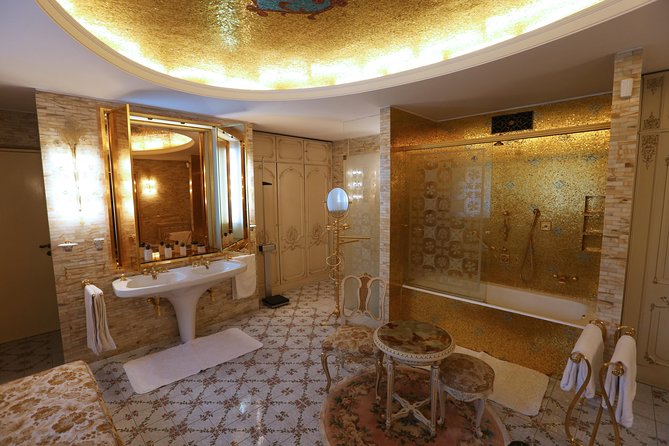
The tour’s final landmark is the Ceaușescu Residential Palace, sometimes called the Spring Palace. Built between 1964 and 1965, it hosted Elena and Nicolae Ceaușescu from 1965 until their deaths in 1989. After the Communist regime fell, it was used as a VIP residence for official delegations and foreign presidents, and since 2016 it operates as a museum.
This stop is fascinating because it forces you to compare two ideas at once. One is what private luxury looks like under a public system built on fear. The other is what happens to elite spaces after history changes, when governments try to repurpose them and the world wants answers.
You’ll have about 1 hour at the palace, with the admission ticket included. After that, your guide wraps up the day and drops you off at your hotel.
Practical note: the Spring Palace is a museum, so expect some indoor time with displays. If you enjoy architecture, you’ll likely appreciate it even more after you’ve seen the Parliament building first.
Why the guide matters more than you think
A tour like this can go two ways. You can rattle off dates and facts, or you can connect the dots so the buildings make moral sense.
The guides associated with this experience are consistently praised for strong storytelling and clear explanations, with examples like Mihae, Marcel, Bogdan, Ciprian, Nicole, and Alexandra. What I look for in this kind of day is a guide who can switch gears from big monuments to daily life, and who can keep the mood grounded even when the topics are grim.
A couple of real-world benefits that can make your day smoother:
- You get professional English-speaking guidance, so you’re not guessing the meaning of what you’re seeing.
- You avoid transport stress because the day includes private transportation and hotel pickup and drop-off.
- Guides can also help you handle small real-time moments, like suggesting how to move through the city after the main sites.
Price and value for a private day in Bucharest
At $261.65 per person for a private experience, this is not a budget tour. But it also isn’t just a “guide plus a bus” deal, because you’re paying for two major entrance tickets and the convenience of private logistics.
Here’s what you’re getting for the money, in plain terms:
- Hotel pickup and drop-off from any Bucharest hotel
- Private transportation
- Professional English-speaking guide
- Entrance fees included for both the Palace of Parliament and the Ceaușescu Residential Palace
- The structure of the day, including time spent on the Communist-era landmarks and memorial visit
What’s not included helps you plan realistically. Lunch costs about €13 per person, and the Palace of Parliament photography fee can add on. Personal expenses are on you.
So is it worth it? If you want a day where the heavy themes are explained, where the logistics are handled, and where you see multiple high-impact sites without spending your time figuring out transportation, the value is there. If you prefer slow independent wandering and don’t care much about interpretation, you could do it cheaper on your own. But you would be giving up the main advantage, the guided connections.
Time on the clock, start time, and how the day feels
The tour begins at 10:00 AM, and it usually runs about 6 to 8 hours. Since you’re going to timed-entries and museum spaces, that time window matters. You will want to skip a big late breakfast, so you arrive ready to focus.
If you’re staying outside central Bucharest, the hotel pickup still helps you avoid wasted time. This is one of the best reasons to choose a private format here, because the day includes more than one neighborhood and more than one type of stop.
For anyone prone to museum fatigue, the day is still manageable because it alternates between massive architecture, contextual stops like Spark House, and a memorial visit that gives the theme a clear human direction. The lunch break also helps you reset.
Who should book this communist history tour
This is a great fit for:
- History buffs who want more than surface-level facts
- People who enjoy architecture with context, not just photos
- Anyone who wants to understand how political power can shape a city’s physical layout
- Small groups that want the freedom to ask questions in English without “group herding”
It might be less ideal if:
- You want a purely relaxed day with light subject matter
- You dislike emotionally heavy museum visits
- You’re on a tight budget and prefer to pay only for essentials
Should you book this private Bucharest Communist Tour?
If you’re visiting Bucharest for just a few days, I think this is one of the most efficient ways to get the Communist story into focus. You’ll see the city’s biggest symbols of power, and then you’ll end with a reminder of what that system did to people. The private guide and included entrance fees make the day feel organized rather than rushed.
Book it if you want meaning, not just monuments. Skip it if you’re chasing only Instagram-style landmarks or you know you’d rather keep the day light and avoid dark history.
Either way, plan for a full half-day plus, bring a realistic lunch budget, and treat the memorial stop as the emotional anchor of the itinerary.
FAQ
How long is the Private Bucharest Communist Tour?
It runs about 6 to 8 hours (approximately), starting at 10:00 AM.
What places will we visit during the tour?
You’ll visit the Palace of Parliament and the Ceaușescu Residential Palace (Spring Palace), plus stops including the Spark House, a local lunch, a formerly inaccessible Ceaușescu neighborhood route, and a memorial museum visit.
Is hotel pickup and drop-off included?
Yes. Pickup is offered from any hotel in Bucharest, and you will also be dropped off at your hotel at the end of the tour.
What is included in the price?
The price includes a professional English-speaking guide, private transportation, hotel pickup and drop-off, and entrance fees for the Palace of Parliament and Ceaușescu’s residence.
Is lunch included?
No. Lunch is not included and is listed at approximately €13 per person.
Are tickets and documents handled digitally?
Yes. You get a mobile ticket.
Is there a minimum age for the tour?
The minimum age is 12 years, and children must be accompanied by an adult.
Do I need to bring anything for extra fees?
Photography fees for the Palace of Parliament are not included, and you’ll also want money for personal expenses and lunch.
When should I reserve, and what is the cancellation window?
Reservations are made at least 48 hours in advance. There is free cancellation up to 24 hours before the experience start time for a full refund.
Recently added around Bucharest
- Bucharest: Dealu Mare Winery Private Trip with Wine Tasting★ 4.9 · 6 reviews
- Winery touring & private wine tasting – one day private tour★ 5.0 · 3 reviews
- Traditions in Bucharest: Village Museum and Wine Tasting★ 5.0 · 8 reviews
- Village Museum Bucharest Guided Tour★ 5.0 · 6 reviews
- Your rendez-vous with Europe’s past: time-travel to Maramures, Transylvania★ 5.0 · 6 reviews
- Walking Tour of Bucharest City Center – Private Tour★ 5.0 · 4 reviews
- Wine tasting in Bucharest Old town – bonus cheese platter★ 4.5 · 6 reviews
- Private Wine Tasting at Bucharest’s First Wine Bar★ 5.0 · 3 reviews
Communist History Tours, compared.
Bucharest Essential Tour: Old Town, Calea Victoriei & Communism
Read our review →
Communism in Bucharest – Landmarks, Museum & Communist Appetizers
Read our review →
Browse the lists this tour appears in