Reviewed · BUCHAREST WALKING TOURS
Bucharest: Sweet Delights History and Desserts Walking Tour
This tour is interesting because it turns Bucharest history into something you can actually taste. I like the way the story moves from the era of the Romanian monarchy to the communist years, and I also like the steady parade of classic desserts along the way. One thing to consider is that it is a walking tour, so you will want comfy shoes, not just a sugar craving and flip-flops.
You start at the Romanian Athenaeum area and you finish back in the city center, with a guide who keeps things lively. Guides on this tour include Mara (Mara’s Tours&Travel) and Elena, and both come across as personable and funny while still teaching real context, not just facts to memorize.
Key Stops and Why They Matter
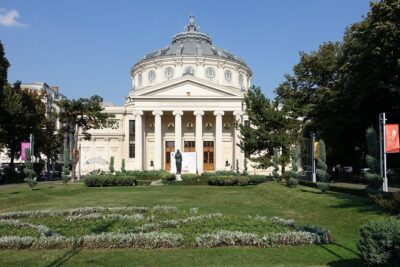
- Romanian Athenaeum start point: you begin where Bucharest’s cultural identity comes into view fast.
- Carol I and the monarchy mood: an eclair comes with the story of how prosperity shaped the city.
- Revolution Square chocolate moment: you taste something famous while talking about 1989 and daily life under communism.
- Calea Victoriei, Bucharest as Little Paris: you connect architecture and fashion with French pastry influence.
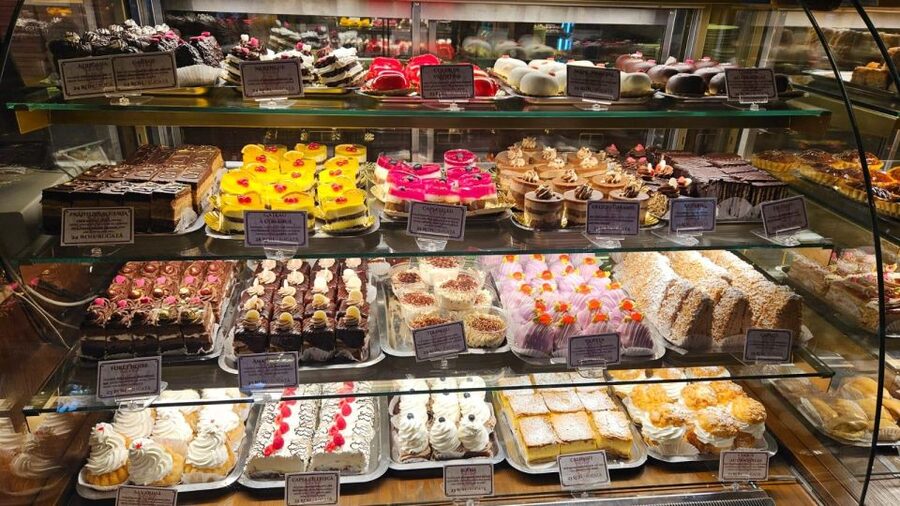
- Capsa Pastry for old-school sweets: the oldest standing cake shop angle gives you a sense of continuity.
- Papanasi finale at City Grill Covaci: the walk closes with the best-known Romanian dessert.
Meeting at the Romanian Athenaeum, Then Getting Oriented Fast
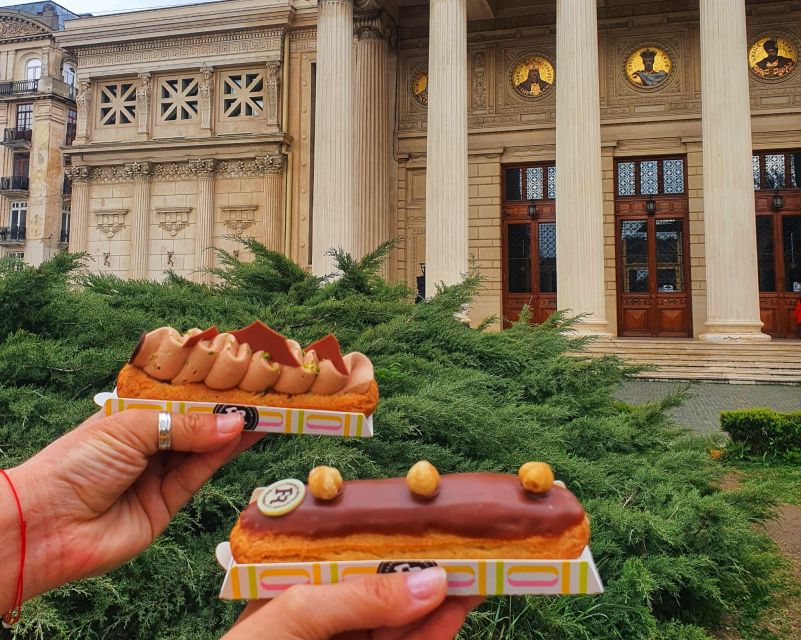
You meet your guide on the stairs of the Romanian Athenaeum, at Strada Benjamin Franklin 10. It is an easy landmark to spot, and the guide wears a tag plus a sign for Mara’s Tours&Travel, so you do not wander around guessing.
This start matters because it frames everything that comes next. Bucharest can feel like a collage of eras, and starting at a major cultural building helps you see the city as a timeline rather than random streets.
You get water included too, which is a small but smart touch. Three hours is long enough to start feeling thirsty once you add dessert to the mix.
More walking tours in Bucharest:
- Bucharest: City Highlights Guided Walking Tour
★ 4.9 · 1,482 reviews - Bucharest Highlights Walking Tour
★ 5.0 · 469 reviews - Bucharest: Ghost Stories & Romanian Mythology Walking Tour
★ 4.9 · 287 reviews
How the Eclair Sets Up Bucharest’s Little Paris Story
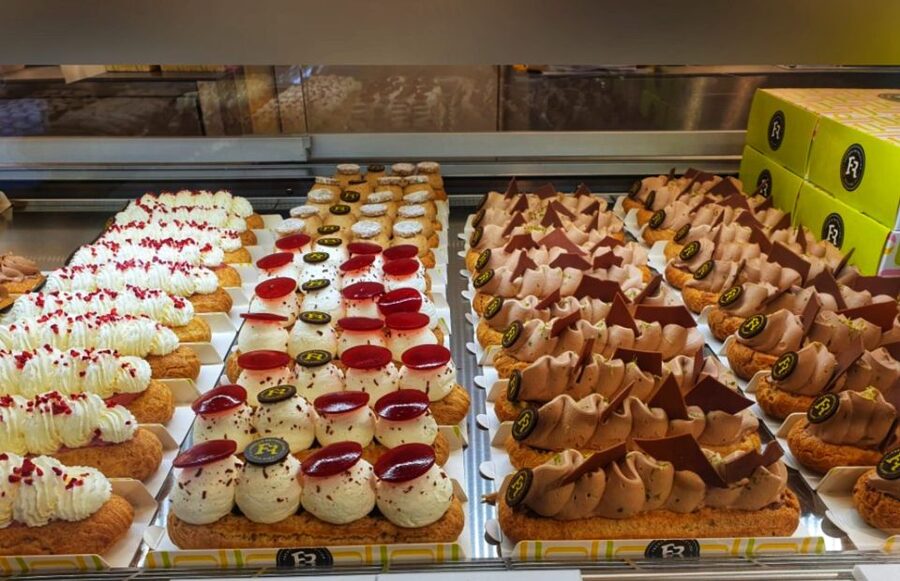
The first dessert is an eclair, and it comes right as you settle into the tour. That is not just a snack stop, it is the tour’s theme in edible form: French-influenced pastry craft became a big part of Bucharest’s identity.
Your guide ties the city’s sweetness to its shifting influences. Bucharest was once nicknamed Little Paris, and the idea is not only about architecture or lights, it is about the way pastry culture changed as well.
You also take in the nearby stately scene connected to Carol I. Even if you only skim this part on your own later, the guided connection helps it land as part of the larger monarchy narrative.
Practical note: the Romanian Athenaeum entrance is not included. If you want to go inside, you will need 15 lei in cash. For the tour, you are mainly starting outside and using the building as a historical anchor.
Revolution Square and Communist-Era Chocolate You Can Actually Taste
Next you head toward Revolution Square, where the tour shifts gears from monarchy to the late 20th century. Expect the guide to talk about life in communist times and the 1989 revolution, connecting big events to how people experienced the city day to day.
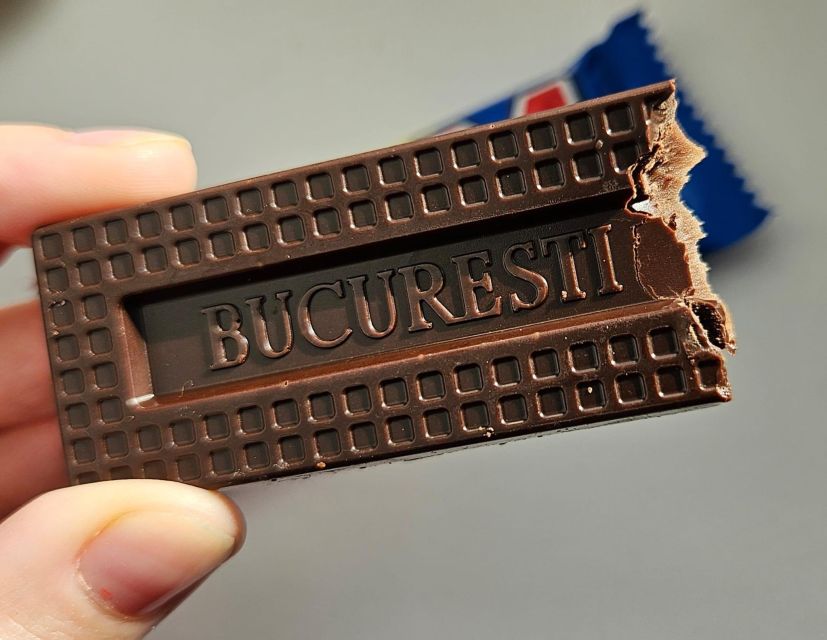
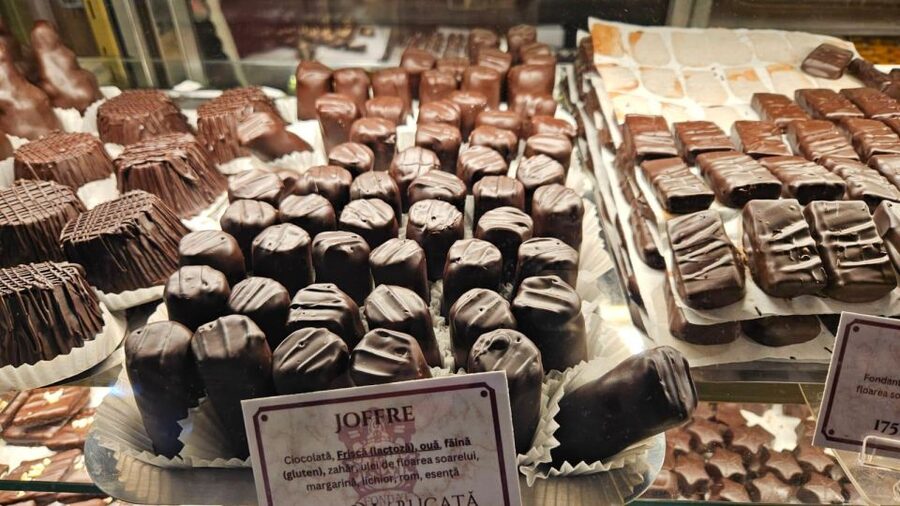
Then comes the dessert payoff at this stop, a taste of a famous Romanian chocolate bar. This is a smart technique because chocolate feels universal, but the story gives it local meaning.
I like this part because it keeps the history grounded. You are not only hearing names and dates, you are pairing them with something that fits the everyday routines of real people.
Also, if you have ever wondered how cuisine survives political changes, this is where you start to see the pattern. You get that Bucharest keeps many flavors even when the world around it changes.
Calea Victoriei and the French Pastry Influence on the Streets
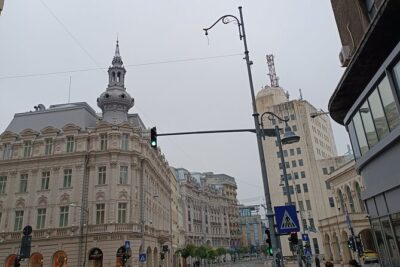
As you move along Calea Victoriei (Victory Avenue), you slow down for the architecture and the explanation. This is where the tour makes the Little Paris nickname feel real, because the buildings and the city’s “look” match the pastry story.
The guide links influences across time, including the idea that pastry chefs trained in France brought their craft back to Bucharest. The concept is that local sweet culture shifted from Turkish-delight type flavors toward French eclair-style finesse.
I find that pairing is where this tour scores points versus a standard “eat desserts and move on” walk. You leave with a mental map that connects streets you can point to with the cultural reasons behind what you see.
One small consideration: you will still be walking between stops in the city center. If it is a hot day or you are not used to 3 hours on your feet, plan on taking the slow pace offered by the group, not sprinting ahead for photos.
Other Bucharest tours to compare
- Bucharest: 3-Hour Dark History Tour with a Local
★ 4.9 · 301 reviews - Bucharest: Small Group History, Art & Secrets Tour
★ 4.7 · 152 reviews - Guided Walking Tour of Historical Bucharest
★ 5.0 · 84 reviews - Bucharest Jewish Heritage | Holocaust Memorial | Private Car Tour
★ 5.0 · 38 reviews
Capsa Pastry, the Old Cakeshop Angle, and Why Tradition Is More Than Nostalgia
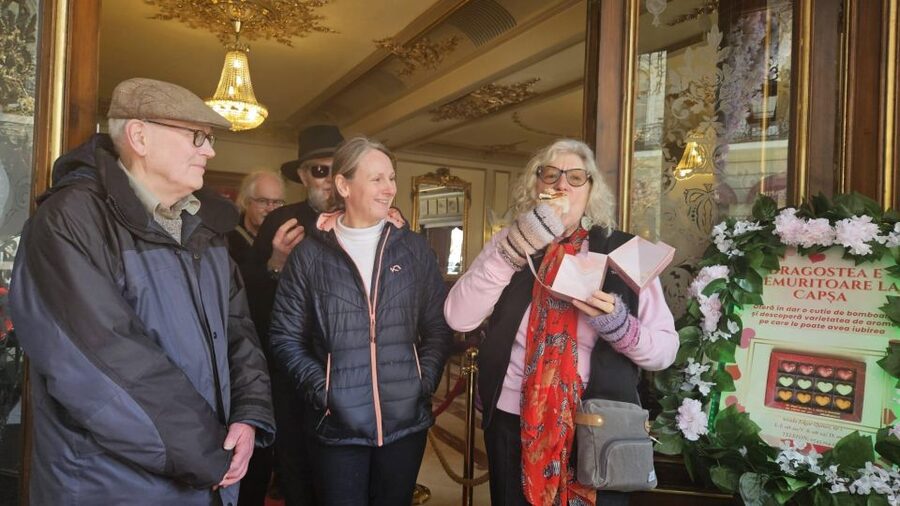
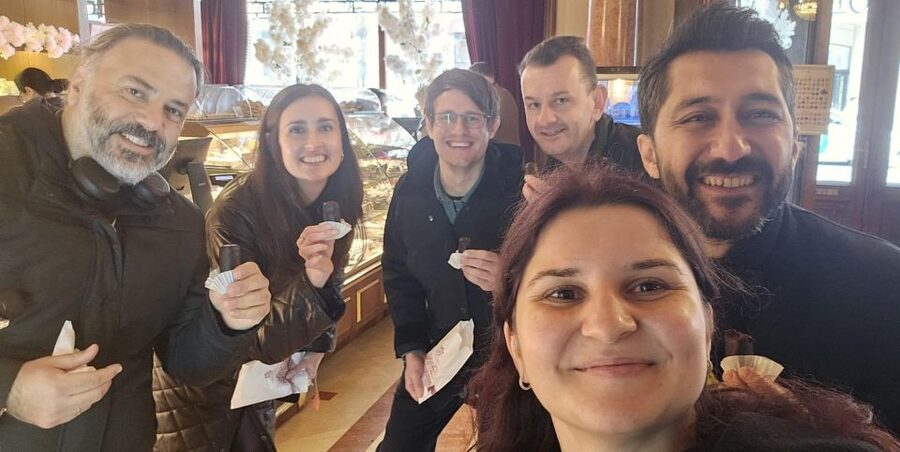
The tour then heads to Capsa Pastry, where you get another included sweet bite. The key detail here is the “oldest standing cakeshop” concept, and it changes how you experience the dessert.
You stop to taste while the guide explains why Bucharest’s sweet traditions did not just appear overnight. The city’s mix of French, Oriental, and Balkan influences is part of the reason these baked goods have their own identity instead of tasting like generic European pastries.
This stop is also a reset moment. After Revolution Square, you need a softer landing, and an old-school pastry shop does the job without making the history feel heavy.
In my opinion, this is one of the most valuable stops for people who want context. It gives you a clue about how to spot “real tradition” in a place that has plenty of modern options too.
Old Town Legends and the Papanasi Finale at City Grill Covaci
The final stretch heads into the Old Town, where you get medieval-style legends and a summary of how different empires left cultural fingerprints. The tour frames Romanian culture as a blend, not a single straight line from one kingdom to another.
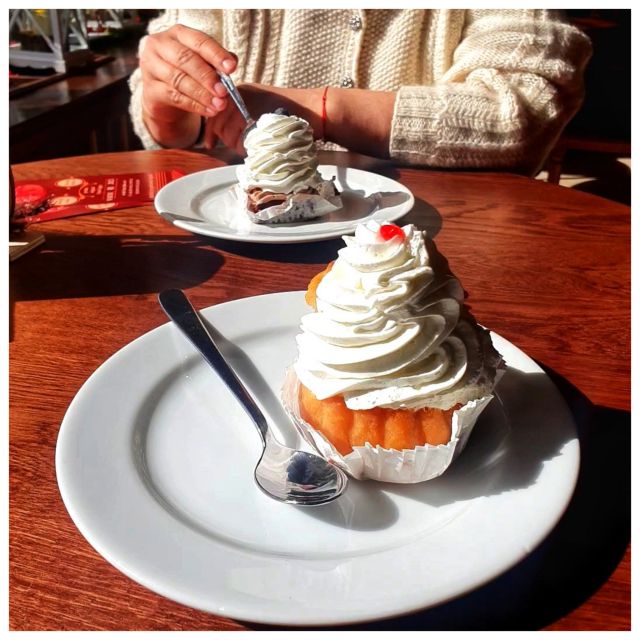
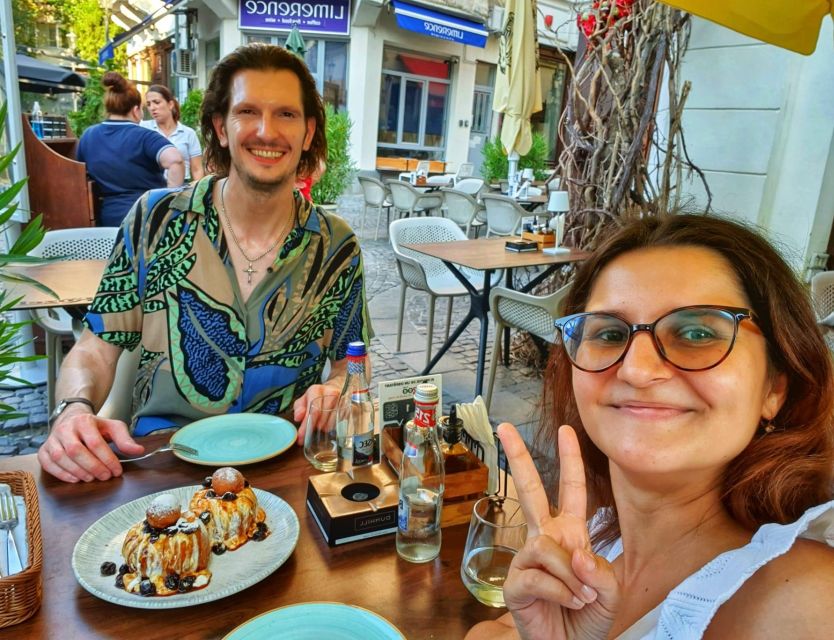
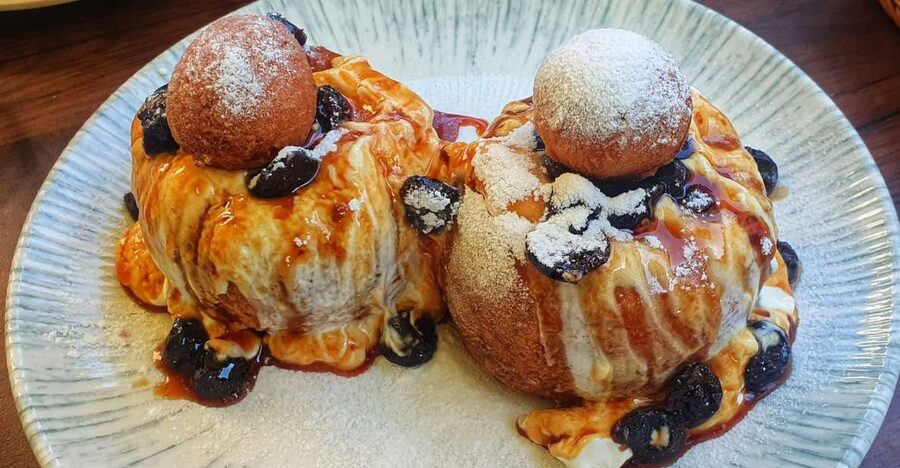
Then you end with papanasi, the most famous Romanian dessert. This is the kind of finish that makes the whole walk feel complete, because it turns the sweet theme from “a few pretty pastries” into “a local signature.”
The tour finishes at City Grill Covaci, which makes the ending practical. You can sit down, cool off, and decide what to do next without immediately searching for your next meal.
If you like dessert variety, you will appreciate that the tour includes multiple types of bites, not just one sweet per stop. Included items list 1 eclair, 1 chocolate truffle, 1 Romanian doughnut, and 1 famous Romanian sweet snack, plus water.
Price and Value: Paying for the Story, Not Just Sugar
At $77 per person for a 3-hour small-group walk, you are paying for two things: access to a guide and a structured way to taste sweets tied to the city’s timeline.
If you went out on your own, you could probably buy one pastry and wander around. What is harder to recreate alone is the connective tissue, the way the guide links monarchy, the communist era, and the revolution to street scenes and specific sweet culture shifts.
You also benefit from the group size. It is limited to 10 participants, which usually means questions land faster and the guide can adjust pacing if people need a moment.
The guide also adds extra value beyond the tour, especially with recommendations. In the guides I saw described here, the standout trait is that they do not just recite facts, they share practical ideas for what to eat and where to go next.
Who This Tour Fits Best
This is a strong match if you want Bucharest history in a way that feels lighter and more memorable. The guide’s style, described as personable and energetic, seems built for people who want a guided city overview without sitting through a classroom lecture.
It is also great for a “first visit” day. You cover major city-center themes, and you leave with a clearer sense of where monarchy-era grandeur, communist-era reality, and Old Town legends fit on the map.
If you do not like dessert, this might still be workable because the history talk is a big part of the experience. That said, the format is designed for sweet lovers, and you should know that up front.
Tips to Get the Most Out of Your Sweet History Walk
Wear casual clothing and comfy shoes since you are on foot for about 3 hours. Plan to take things at a walking pace, and do not treat it like a race to cram in extra stops on your own.
If you have a sensitive stomach with rich sweets, go slow with each bite. You do not want to overload early, especially once you reach the heavier-looking desserts.
Bring a little curiosity. The tour works best when you listen for the “why” behind the sweets, like why French pastry training shows up in a city known as Little Paris.
And since the Athenaeum entrance is not included, decide ahead of time if you want to add it later. The tour’s start location is enough to anchor the story, so you are not forced into an extra ticket purchase.
Should You Book This Bucharest Sweet Delights History and Desserts Tour?
I would book this if you want Bucharest context with a strong dessert payoff. The combination of English-speaking guides, small-group pacing, and a route that connects key historical moments to specific tastes makes it more than a snack break.
Skip it only if you want history in a strictly academic format or you dislike walking. Otherwise, it is one of the simplest ways to get your bearings fast, then keep the story alive long after the last bite of papanasi.
FAQ
FAQ
How long is the Bucharest Sweet Delights History and Desserts Walking Tour?
The tour lasts about 3 hours.
Where does the tour start?
Meet your guide on the stairs of the Romanian Athenaeum at Strada Benjamin Franklin 10.
Is the Romanian Athenaeum entrance included?
No. Entrance to the Romanian Athenaeum is not included and costs 15 lei, payable in cash only.
What desserts and food are included?
You get 1 eclair, 1 chocolate truffle, 1 Romanian doughnut, and 1 famous Romanian sweet snack, plus 1 water.
Is the tour in English?
Yes, the tour is in English.
How big is the group?
The group is small, limited to 10 participants.
What is the price per person?
The price is $77 per person.
Is free cancellation available?
Yes, you can cancel up to 24 hours in advance for a full refund.
Recently added around Bucharest
- Bucharest: Dealu Mare Winery Private Trip with Wine Tasting★ 4.9 · 6 reviews
- Winery touring & private wine tasting – one day private tour★ 5.0 · 3 reviews
- Traditions in Bucharest: Village Museum and Wine Tasting★ 5.0 · 8 reviews
- Village Museum Bucharest Guided Tour★ 5.0 · 6 reviews
- Your rendez-vous with Europe’s past: time-travel to Maramures, Transylvania★ 5.0 · 6 reviews
- Walking Tour of Bucharest City Center – Private Tour★ 5.0 · 4 reviews
- Wine tasting in Bucharest Old town – bonus cheese platter★ 4.5 · 6 reviews
- Private Wine Tasting at Bucharest’s First Wine Bar★ 5.0 · 3 reviews
Bucharest Walking Tours, compared.

Ghost Stories & Romanian Mythology Walking Tour
Read our review →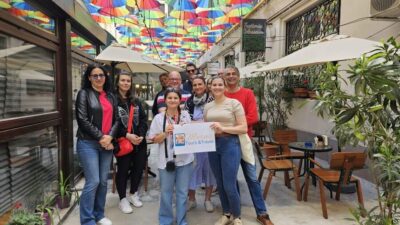
Walking Tour- Delightful Bucharest (Highlights, Stories, Sights)
Read our review →
4h Bucharest Private Tour (2h by Car and 2h Walking in Old Town)
Read our review →
Browse the lists this tour appears in