Reviewed · HISTORICAL TOURS
Bucharest: 3-Hour Dark History Tour with a Local
This Bucharest dark history tour is interesting because it sticks to real places tied to real fear, grief, and power. You start with cemeteries that sit side-by-side on one city stretch, then you move into squares where the 1989 Revolution changed Romania. I like how Bellu Cemetery turns death into something specific and human, with architecture and stories you can actually see.
I also like the mix of big political turning points and the more disturbing human side of the city, including the Vampire of Bucharest. University Square is a highlight because you learn why it mattered in 1989 and the anti-communist student protests in the 90s, not just that it is a famous name on a map.
The main drawback is the walking. It is a short tour, but it is still a lot of street time, so comfortable shoes are non-negotiable, especially in winter. And it is not suitable for kids under 16.
Key things you should know before you go
- Bellu Cemetery is a national historical monument, with standout funerary architecture and stories
- A cemetery cluster street near central Bucharest sets the stage with multiple burial grounds you can compare
- University Square connects 1989 revolution moments to later anti-communist protests
- Interwar Bucharest, the “Little Paris” era includes stories of sex trade and brothel remnants
- The 1970s serial killer case centers on the nickname Vampire of Bucharest
- Revolution Square leads into the communist regime story, including prisons and Securitate terror
Starting at a cemetery corridor near central Bucharest
Most history tours hit only one “main” site. This one starts smarter. You begin on a street near the center of Bucharest that can hold six cemeteries within reach, which gives you a fast sense of how layered the city is.
Instead of treating burial grounds as separate worlds, you compare them as part of the same urban story. You cover places like the Cemetery of the Victims of the Revolution in 1989, the Jewish Cemetery, and the Cemetery of the Russian Soldiers, before moving to the oldest historic cemetery you will visit together, Bellu Cemetery.
Why this matters for you: cemeteries in Bucharest are not just quiet. They are record-keeping. They reflect wars, politics, and community identity. Once you start looking at graves this way, the rest of the tour clicks. The Revolution sites stop being abstract, and the communist era stops feeling like a distant chapter from a book.
A small consideration: because this is “dark history,” expect the tone to be serious. You do not come here for spooky theater, you come to understand what shaped daily life and public fear.
Other Bucharest tours to compare
- Bucharest: Small Group History, Art & Secrets Tour
★ 4.7 · 152 reviews - Guided Walking Tour of Historical Bucharest
★ 5.0 · 84 reviews - Bucharest Jewish Heritage | Holocaust Memorial | Private Car Tour
★ 5.0 · 38 reviews
Bellu Cemetery: funerary architecture you will actually notice
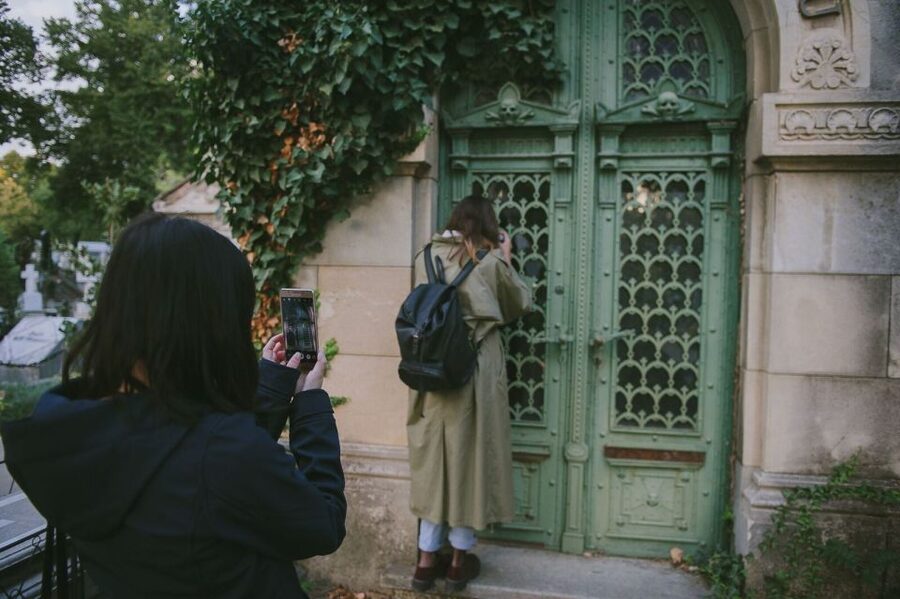
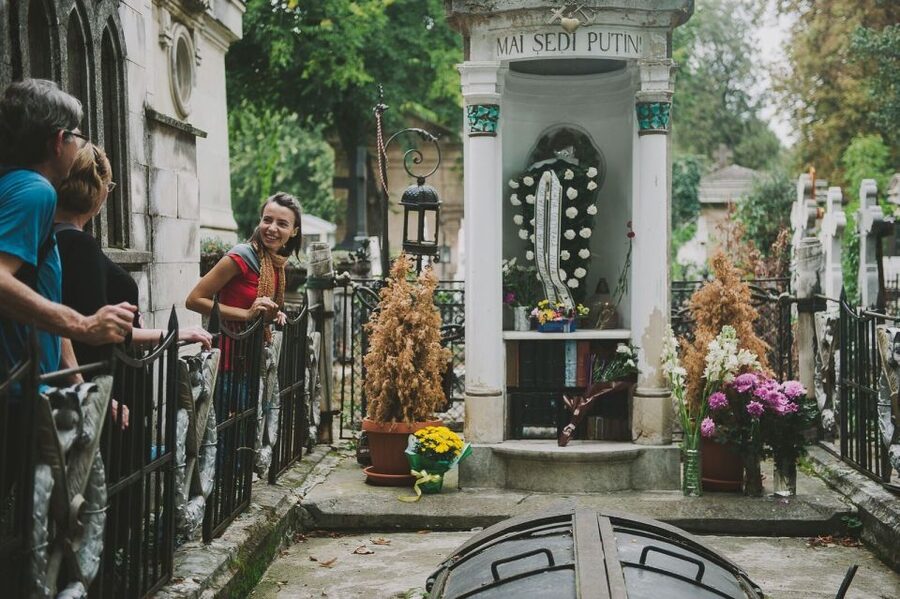
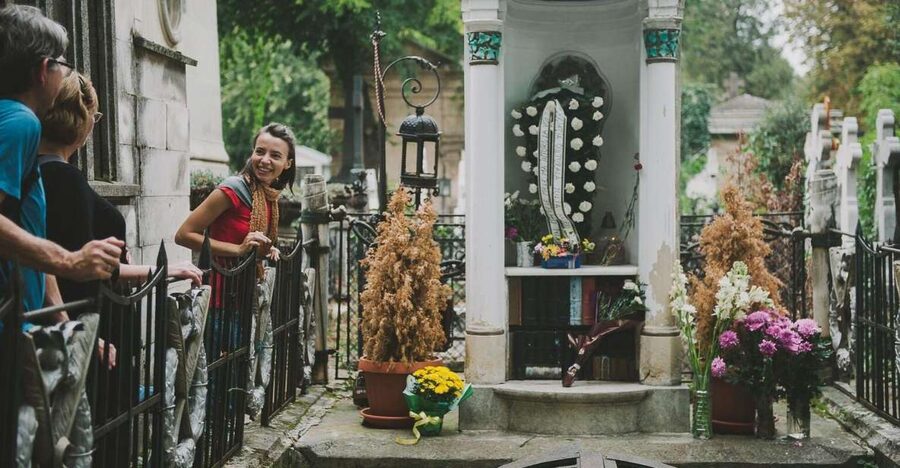
Bellu Cemetery is the centerpiece, and it is easy to see why. This cemetery is recognized as a national historical monument, and your guide brings attention to the funerary architecture as if it were city art.
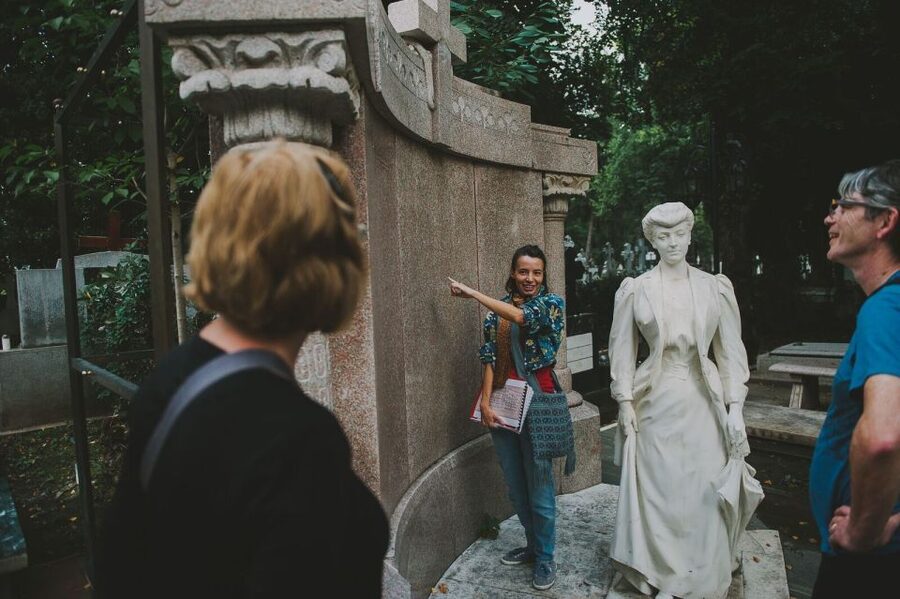
You will not just walk between tombs. You will slow down for details that many visitors miss, like the way monuments communicate status, belief, and memory. The stories range from sad love narratives to darker mysteries, which is a big part of why people call this stop their favorite.
Here is what makes it feel different from a typical cemetery visit:
- You get interpretation, not just names. The guide connects symbolism and social context to what you see.
- You see the cemetery as a timeline, not a single moment in time.
- You may even encounter the cemetery’s living side, since guides often share attention to the stray cats and dogs around the grounds.
From the guide side, the personalities you might get really matter here. Guests have praised guides such as Alex, Elena, Andra, and Vlad for making Bellu feel like a guided gallery walk. One shared detail stands out: the guide’s focus on monuments and small features, not just the broad “history speech.”
Practical tip: bring shoes with real grip. Paths inside cemeteries can be uneven, and you want your footing.
University Square: where 1989 made real and public blood
After the cemetery foundation, the tour jumps back into political geography. University Square is one of Bucharest’s key nodes for understanding how crowds moved and how power responded.
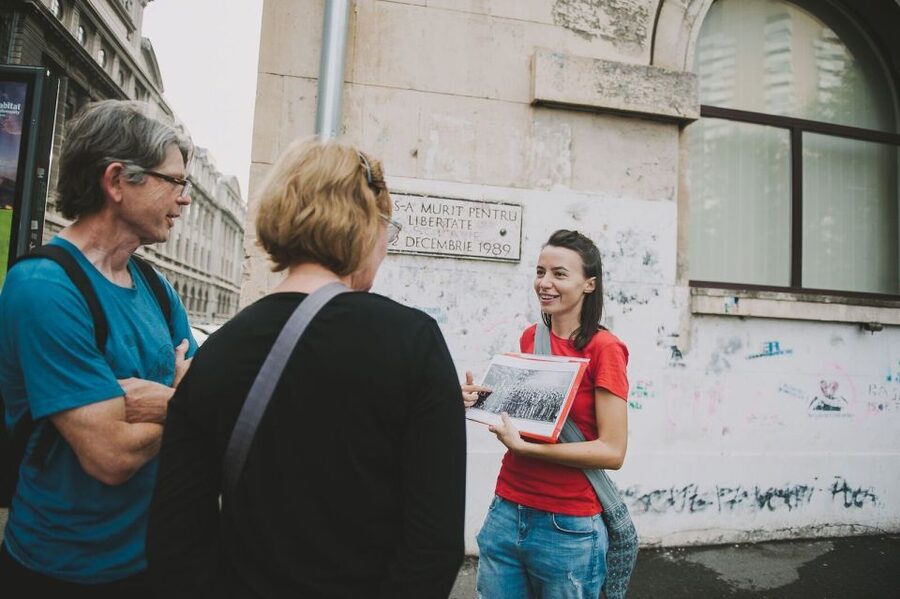
You learn how this area played a key role in the Revolution in 1989. You also hear why the same place still mattered during the anti-communist student protests in the 90s, described as events drenched in blood.
Why you will enjoy it: the guide is likely to frame the square as a stage that kept being reused. This is not a one-time dramatic moment. It is a place where political energy kept restarting, and your understanding of the city gets sharper with each stop.
What to watch for as you stand around: the tour format tends to emphasize street-level clues. In particular, several guides have been praised for pointing out small urban details, like street art and physical marks on buildings, to help you feel the “lived” history rather than just the textbook version.
The tone shifts here from mourning into urgency. It is a good change of pace.
Little Paris after dark: interwar Bucharest and the street-level economy
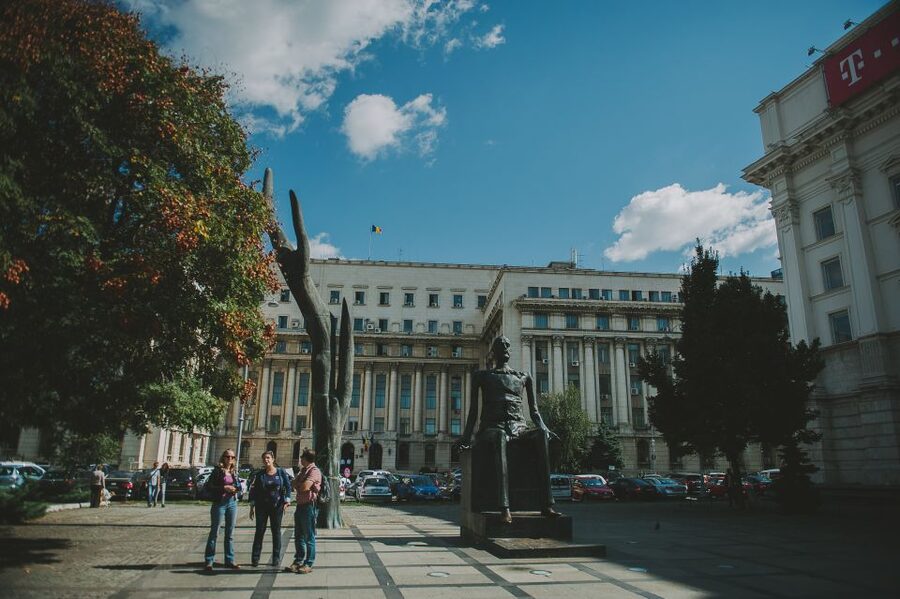
Then comes the “Little Paris” era. Your guide explains the sophisticated atmosphere of interwar Bucharest while also describing the practice of the sex trade and what remains from that period, including traces of a former brothel.
This is the stop where the tour becomes more social-history than political-history, without turning into gossip. You are learning how economic forces, gender vulnerability, and urban life intersected in a city that people associated with style and sophistication.
Why this is valuable, even if you do not usually choose this kind of topic: it prevents a one-track view of history. Romania’s modern story did not only come from presidents and prison doors. It also came from street economies, survival strategies, and the way different groups of people were treated when the city was still changing fast.
If you prefer tours that are purely political, consider whether you are comfortable with this social angle. It is handled through history and context, not shock value.
A different kind of day out:
- Bucharest: Dracula’s Castle, Peles Castle, & Brasov Old Town
★ 4.5 · 17,858 reviews - Bucharest: Dracula Castle, Peles Castle & Brasov Old Town
★ 4.6 · 10,891 reviews - Bucharest: Dracula’s Castle, Peleș Castle & Brașov Day Trip
★ 4.5 · 5,919 reviews - Bucharest: Palace of Parliament Tickets and Guide
★ 4.3 · 3,182 reviews
The 1970s case file: the Vampire of Bucharest
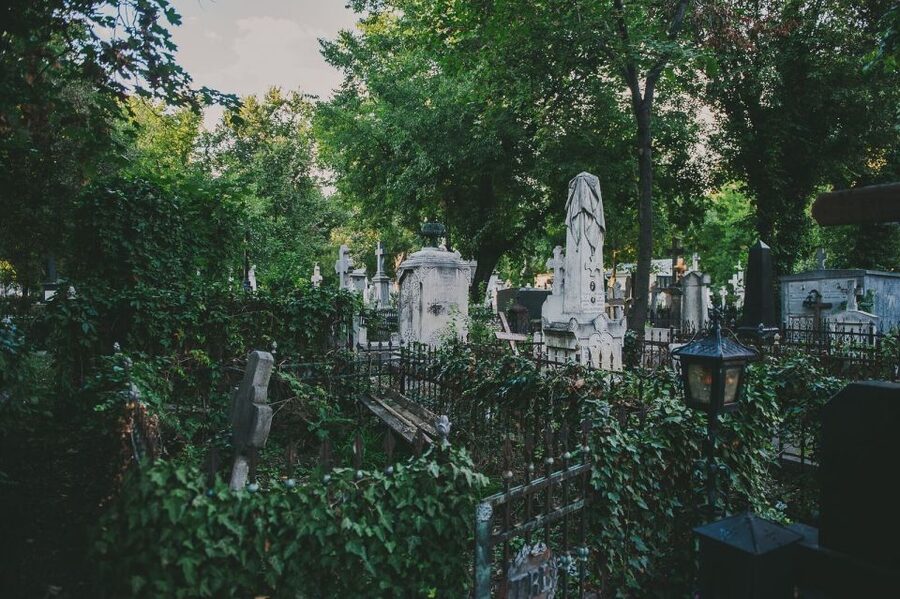
Next, your guide connects the city’s fear to a specific criminal story: the serial killer nicknamed the Vampire of Bucharest, who terrorized the city at the beginning of the 1970s.
This part works well in the flow of the tour. You have already been thinking about how power and violence shape daily life. Now the story turns to a different kind of terror, the kind that does not require ideology to work. It takes human choices, panic, and the limits of public safety.
Why this stop sticks: your guide typically treats the case like a way to read the city. You start noticing how communities respond to fear, and how rumors and official narratives can diverge. It also ties into why people later feared the communist regime. In both cases, ordinary life can become unsafe fast.
Sensitivity note: this is dark material, so it helps to be ready for a more intense tone. If you are easily distressed by crime stories, consider your comfort level before booking.
Revolution Square and the communist regime story you do not forget
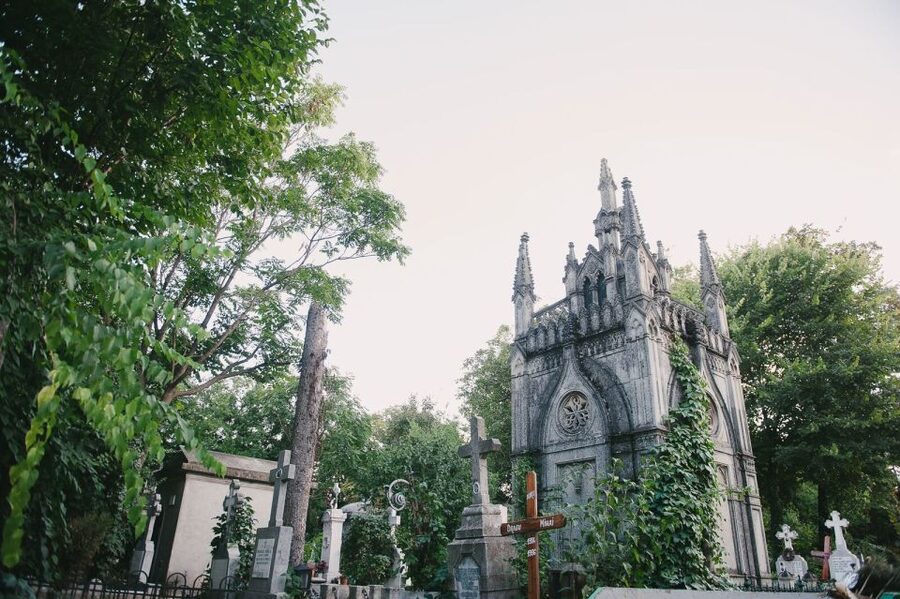
The tour ends in Revolution Square, where the 1989 Revolution started in Bucharest. This is where the timeline comes together. You go from the cemetery markers of that revolution, to the places where events unfolded, and finally to the political machinery behind the era.
Your guide explains the communist regime’s methods for silencing critics, including prisons, labor camps, and torture methods. You also learn about Nicolae Ceaușescu’s dictatorship and the terror instilled by the Securitate, described as Romania’s own version of the KGB.
This is heavy. But it is also the part that gives you context for everything else you saw earlier:
- Cemeteries make the cost visible.
- Squares show how public space becomes part of political control.
- Stories of fear, whether criminal or state-driven, explain how people adapted and survived day-to-day.
One more practical note: this segment tends to be where questions pop up. If you like to understand details, bring your curiosity. The tour format is guided by conversation as much as by the fixed route.
Walking time, metro rides, and the included street snack
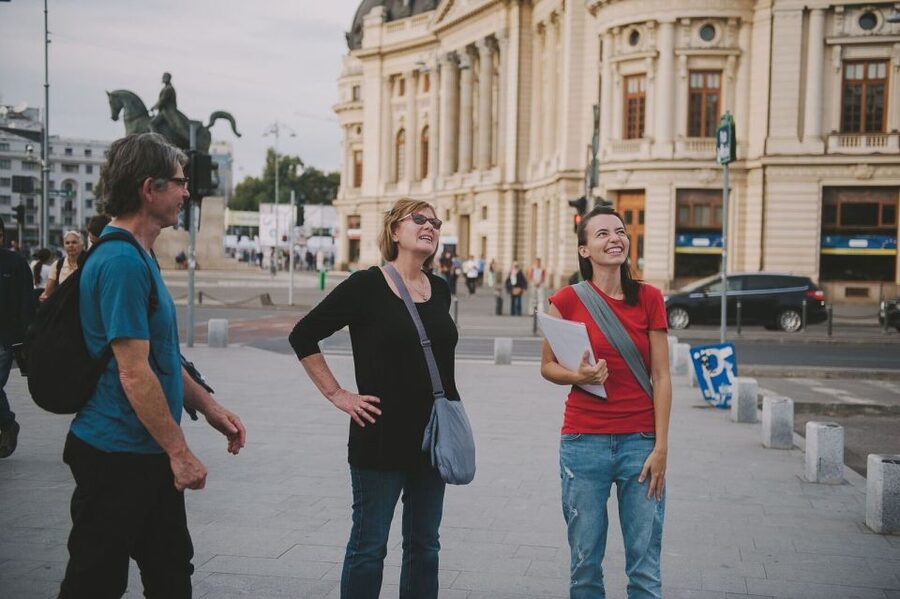
This is a 3-hour experience with a maximum group size of 12. That matters. Smaller groups mean you actually get interaction, and the guide can adjust pacing if someone needs a break.
You will use public transport for parts of the route. The tour includes metro tickets, so you do not have to puzzle out transit while also trying to hear the story. It is one of those “silent value” items that makes the tour feel easier.
You also get a traditional street snack included. The snack is simple, but it helps keep the energy steady during a walk-heavy few hours.
What to expect physically: the reviews praise this as a long walking tour in a short time window. On a cold day, you will feel it, because you are standing outside for significant chunks. If you are visiting in winter, dress like you are going out for a real afternoon stroll, not a quick museum outing.
In good weather, bring sunscreen and water. The tour does not list water as included, so if you tend to get thirsty, plan ahead.
Price and value: why $55 can make sense for this specific format
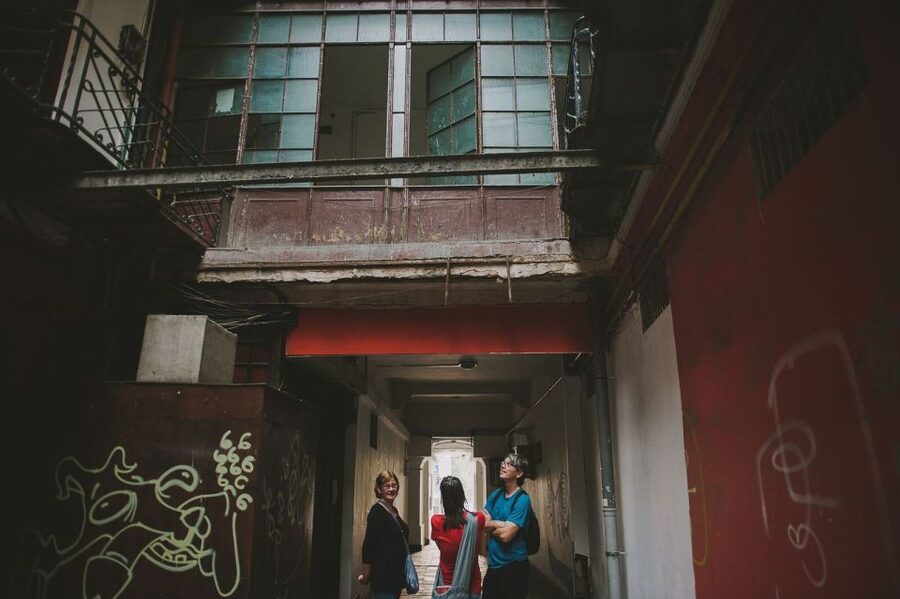
At $55 per person for 3 hours, you are paying for three things at once:
- A local English-speaking guide
- A structured route through multiple high-impact sites
- Included metro tickets and a traditional street snack
A typical “city highlight” tour can cost about the same, but you often lose value when the guide spends too much time on generic explanations. Here, the value is in how the guide uses a small set of locations to explain different kinds of fear and control, from interwar social history to state terror in the communist era.
The price also works in your favor because the group size stays small (max 12). If you are someone who learns well through dialogue and specific interpretation, you get more attention than you would on a larger bus tour.
Downside to the value equation: this is not a sit-and-sip experience. If you hate walking, or you want “comfortable viewpoints with short stops,” this format may feel like work.
Who should book, and who should skip this dark history tour
This tour is a strong fit if you:
- Like Bucharest beyond the usual postcards
- Want real context for the 1989 Revolution and what came before and after
- Enjoy cemetery visits when they are treated as cultural sites, not just memorials
- Are curious about social history, crime history, and political history in the same storyline
- Appreciate a guide with a storyteller’s style, with some guides highlighted by name, like Alex, Elena, Andra, Vlad, Irina, and Andra again in different bookings
You might skip it if you:
- Do not want crime or human-violence topics in your travel day
- Have mobility issues that make uneven outdoor walking difficult
- Travel with children under 16, since the tour is not permitted for those ages
- Prefer light or entertainment-focused sightseeing only
Should you book this Bucharest dark history tour?
I think it is worth booking if you want to understand Bucharest as a city shaped by fear, memory, and public power. Bellu Cemetery plus the revolution stops give you a rare combination: visual monuments, street-level context, and a timeline you can feel in your feet as you move through the city.
Book it if you like guides who can make the details land. People have praised guides like Alex and Elena for being engaging, and Vlad for mixing precise city knowledge with attention to small urban clues. If that style is your thing, you will likely leave with a sharper, more human picture of Romania.
If you want a gentle introduction to Bucharest, start with something lighter first. This one is for your “I want the truth, even the uncomfortable parts” mood.
FAQ
How long is the Bucharest Dark History Tour?
The tour lasts 3 hours.
What does the tour cost?
The price is $55 per person.
What is included in the price?
You get a local English-speaking guide, a traditional street snack, and metro tickets.
Where is the meeting point?
Meet at the main entrance of Ion Luca Caragiale National Theatre, Bulevardul Nicolae Bălcescu 2, București 010051, Romania.
Is the tour in English?
Yes, the tour is led in English by a live guide.
Is this tour suitable for children?
No. Travelers under 16 years of age are not permitted.
How big is the group?
The tour runs with a maximum group size of 12 people.
What should I bring?
Wear comfortable shoes.
Is extra food included?
Additional food and drinks are not included. Souvenirs and personal shopping are also not included.
Can I cancel for a refund?
Yes. You can cancel up to 24 hours in advance for a full refund, and you can also reserve now and pay later.
Recently added around Bucharest
- Bucharest: Dealu Mare Winery Private Trip with Wine Tasting★ 4.9 · 6 reviews
- Winery touring & private wine tasting – one day private tour★ 5.0 · 3 reviews
- Traditions in Bucharest: Village Museum and Wine Tasting★ 5.0 · 8 reviews
- Village Museum Bucharest Guided Tour★ 5.0 · 6 reviews
- Your rendez-vous with Europe’s past: time-travel to Maramures, Transylvania★ 5.0 · 6 reviews
- Private Wine Tasting at Bucharest’s First Wine Bar★ 5.0 · 3 reviews
- Walking Tour of Bucharest City Center – Private Tour★ 5.0 · 4 reviews
- Wine tasting in Bucharest Old town – bonus cheese platter★ 4.5 · 6 reviews
Historical Tours, compared.

Bucharest Jewish Heritage | Holocaust Memorial | Private Car Tour
Read our review →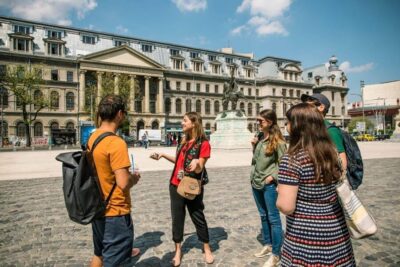
Private Bucharest: History & Food with Traditional Meal
Read our review →
Half-Day Jewish Heritage Walking Tour in Bucharest
Read our review →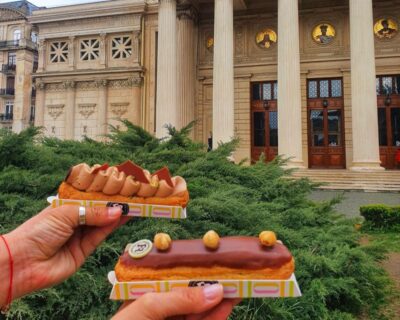
Sweet Delights History and Desserts Walking Tour
Read our review →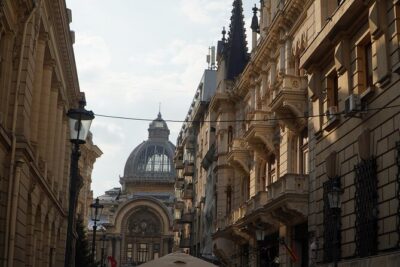
Private Tour – Food, Culture, History & Traditions
Read our review →Browse the lists this tour appears in