Reviewed · COMMUNIST HISTORY TOURS
Bucharest: Communist Tour including Ceausescu Residence
Bucharest can feel like a city of layers, and this tour is a fast way to see the communist-era parts without getting stuck in logistics. I love the way you move from everyday public spaces like communist metro stations to the scale-shock of the Palace of the Parliament. I also like the personal angle at the end with Ceaușescu’s residential Spring Palace, where politics turns into daily life. One possible drawback to plan for is that timed entries can mean waiting at the Parliament, and the overall pace is tight for a full 7 hours.
The guide quality really matters on this kind of subject, and the best versions of this tour come with strong English delivery, like Claudia’s clear explanations. You’ll also get a practical, hassle-free pickup and ride, so you spend your energy looking and listening instead of navigating. If you are sensitive to crowded interiors or long lines, build in patience and comfortable shoes.
Key highlights I’d bank on
- Hotel pickup, then metro stops tied to the communist period, so you get context fast
- Working-class neighborhood visit showing how everyday life was shaped by the regime
- Palace of the Parliament story, not just photos including what it meant in Project Bucharest
- Spring Palace visit at Ceaușescu’s former home, Wednesday to Sunday 10:00 to 18:00
- English-speaking guide with options on request (Spanish, French, German)
- Entrance fees included, with the Parliament photography fee handled separately
A 7-hour route through power, housing, and daily life
This is the kind of Bucharest tour you take when you want more than monuments. You want the “how did people live” answer, and the “why did the state look like that” explanation. In one day, you connect infrastructure, housing, and spectacle, then you end at the Ceaușescu residence, where the communist story becomes personal.
The biggest value for me is the balance of scales. You start in public and practical spaces, you shift into huge political architecture, then you land in a home built for one family. That arc helps you keep the big ideas straight without turning everything into a history lecture.
The format also respects your time. You get transport included in a modern car, minibus, or coach, and the pickup is from your hotel reception. You’re not piecing together buses while trying to understand what you’re seeing.
More tours covering the communist period in Bucharest:
- The Real tour of Communism
★ 5.0 · 666 reviews - Life under Communism
★ 5.0 · 358 reviews - 3-Hour Guided Tour of Communist Bucharest
★ 4.9 · 303 reviews
Timing and pace
The duration is listed as 7 hours, and that matters because the stops are dense. You’ll want to treat this like an organized city day rather than a wandering half-day. Even when the guide gives you room to look, you should expect a steady rhythm.
Also, note the “private group” setup. If you’re traveling with more than your own party, larger groups can get special discounts, but the standard experience is still built around a guided schedule.
Starting with hotel pickup and communist metro stations
The tour begins with pickup from your hotel reception, which instantly reduces stress. After that, you head to a couple of metro stations built during the communist era.
Why metro stops? Because they show politics where people feel it. These stations are not just transport. They reflect how the state wanted the city to look, function, and project legitimacy. Even without getting overly technical, you can usually spot the tone: the way space is designed, how it feels to move through it, and how public building becomes public messaging.
What to watch for
Wear comfortable shoes. Metro stations involve walking, stairs, and indoor time that can be longer than you think once you factor in group pacing. If you are the type who likes to stop for photos constantly, the tight schedule might feel like it’s nudging you forward.
A different kind of day out:
- Bucharest: Dracula’s Castle, Peles Castle, & Brasov Old Town
★ 4.5 · 17,858 reviews - Bucharest: Dracula Castle, Peles Castle & Brasov Old Town
★ 4.6 · 10,891 reviews - Bucharest: Dracula’s Castle, Peleș Castle & Brașov Day Trip
★ 4.5 · 5,919 reviews - Bucharest: Palace of Parliament Tickets and Guide
★ 4.3 · 3,182 reviews
The working-class neighborhood stop: housing as policy
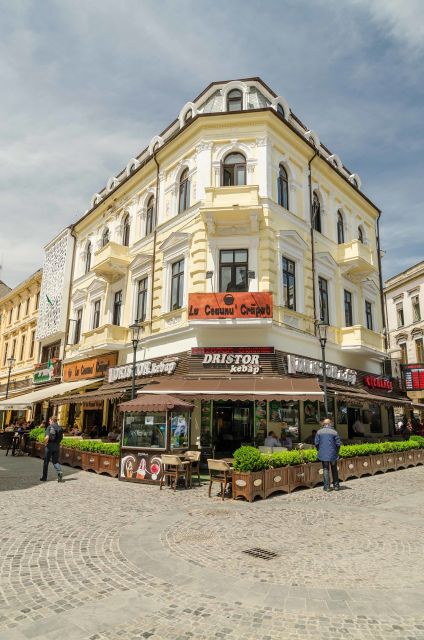
Next comes a neighborhood built for the working class, created under the dictator’s direction. This is one of the most important stops on the itinerary because it shifts the question from who had power to how the system shaped ordinary life.
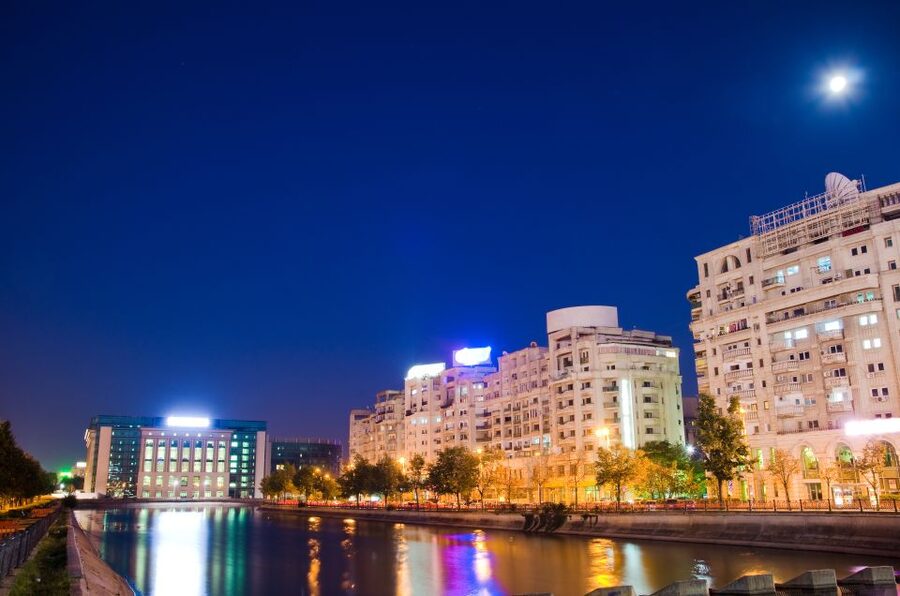
You get a real-world sense of how daily routines were designed. You can see how housing policy changes neighborhoods, and you can connect that to the larger pattern you’ll see at the Parliament and the Ceaușescu palaces. The buildings you view are not just background. They’re a clue to how the regime tried to control society through space.
What makes this stop worth your attention
A lot of communist tours get stuck on official architecture. This one at least gives you a second angle. Housing tells you about allocation, about scale, and about what the state thought workers needed. Even if your time inside each area is limited, the visual comparison helps you build the bigger story.
Palace of the Parliament: the spectacle, the purpose, the pushback
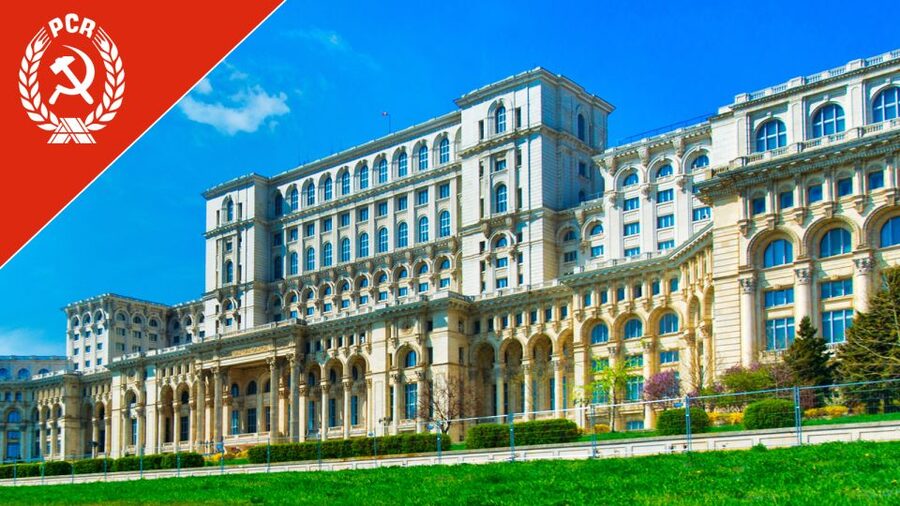
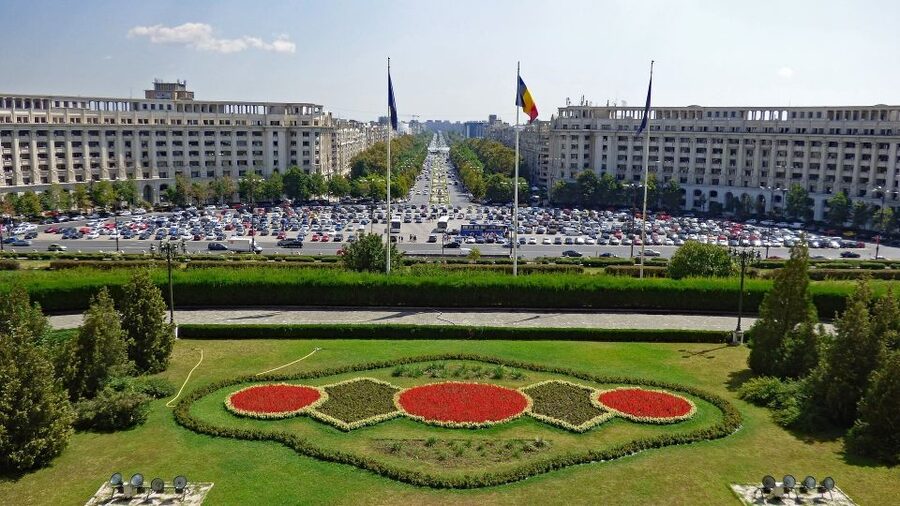
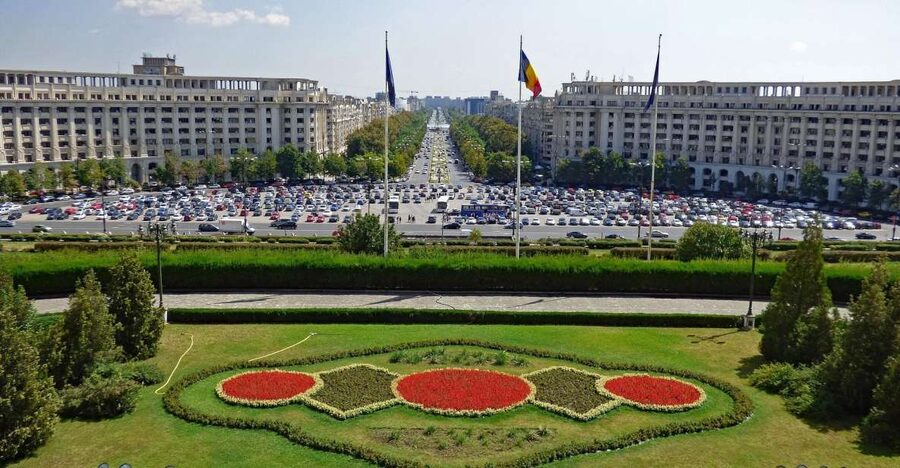
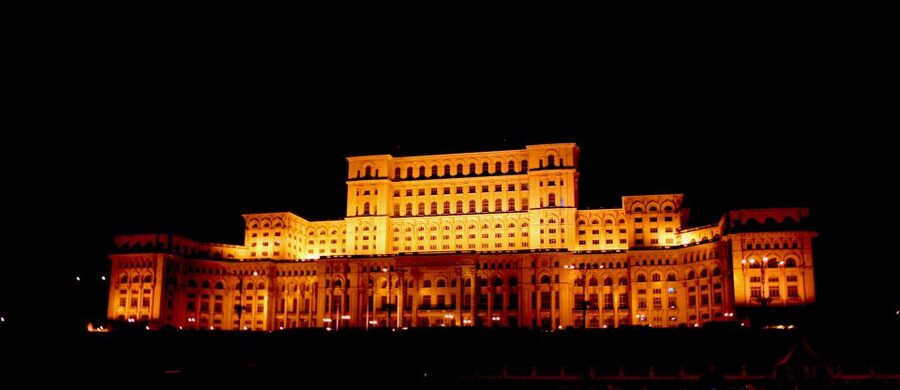
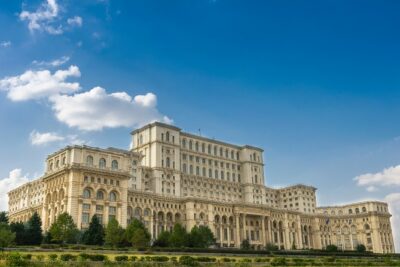
The centerpiece stop is the Palace of the Parliament. The tour explains the story behind it, and that’s a key difference from a “stand outside and look” approach.
You’ll also learn why it fits into Project Bucharest, a broader attempt by Ceaușescu to rebuild the capital. The Palace is described as completed in 1997, and the point for you is the timeline mismatch. A communist dictator drives a project, but the building’s completion comes later, after the regime ends. That creates an interesting, slightly uncomfortable reality: the state’s imprint can last long after the ideology changes.
Inside logistics and line reality
One practical note: timed entries can still mean waiting. In one case, the wait at the Palace of the Parliament reportedly ran over an hour even with a fixed time slot. That doesn’t mean it will happen every day, but it is a real risk you should plan around.
So if you’re the type who hates delays, keep your expectations flexible. If you’re okay with waiting, you’ll still get a meaningful payoff, because the Palace is one of the few places where you can feel how power is built into architecture.
Photography fee detail
Entrance fees cover the Palace, but the photography fee at the Parliament is excluded. If taking photos is part of your plan, consider budgeting a little time and money for that.
When visits can change
There’s an important historical note attached to this tour: from January 1 to June 30, 2019, the Palace hosted works of the Romanian Presidency at the Council of the European Union, and the operator could not guarantee access. The tour would be replaced with another attraction, or you could choose a refund.
Even if you’re traveling outside that window, this tells you something useful: access can be affected by official events. If you’re traveling around major political schedules, it’s worth confirming expectations close to your date.
Spring Palace (Palatul Primaverii): politics in a residence
The final destination is the residential Spring Palace, also known as Palatul Primaverii, where the Ceaușescu couple lived. This is where the tone changes.
Instead of grand state messaging, you get a house shaped by the needs and priorities of one family at the top. It turns the story into something more intimate. The same ideology that built huge public spaces also created a private world with its own rules.
Visiting hours you need to respect
The Spring Palace can be visited Wednesday to Sunday from 10:00 to 18:00. Since the tour runs 7 hours, your day of week matters. If you book near the edges of the schedule, you may want to double-check that the Spring Palace is actually on the table for your specific date and timing.
What to bring and how to approach it
You’ll want your passport or ID card. Bring comfortable shoes, because you’ll likely move through rooms and corridors at a guided pace. This is also a stop that benefits from paying attention to what the guide emphasizes, because the point is not just seeing rooms, it’s understanding what a residence can signal in a political system.
Guide quality makes or breaks the experience
This tour leans heavily on interpretation. You can walk through the same buildings on your own, but you would miss the thread connecting metro design, working-class housing, state architecture, and the Ceaușescu home.
The guide experience in the provided feedback is strikingly consistent. Claudia is singled out for excellent history knowledge and especially clear English. Marcel also gets praise for being a great guide and making it fun. George is described as very nice, even though one booking felt a promised element was not delivered.
For you, the takeaway is simple. This is not the best choice if you only want to check boxes. It’s better if you like explanations, context, and a guide who helps you connect the dots in real time.
Transportation and what included entrance fees mean for value
At $256 per person for a 7-hour tour, you’re paying for three things: guided context, movement around town without hassles, and entry fees.
Here’s what’s included:
- Transport with a modern car, minibus, or coach
- An English-speaking guide, with Spanish, French, or German guides on request
- Entrance fees for the Palace of the Parliament (excluding the photography fee) and Ceaușescu House
What’s not included:
- Lunch
- Personal expense
Why this price can feel fair
If you were to DIY this, you’d spend time coordinating transport and then paying for entries one by one while trying to interpret what you see. The tour’s structure saves you that brainwork. And because it’s a private group format, the guidance can be paced around your group.
If you are traveling with friends and you can get your group size into the range that qualifies for special discounts (groups larger than 10), the value generally improves.
Practical tips before you go
A few things will make your day smoother.
- Bring your passport or ID card.
- Wear comfortable shoes for walking inside metro areas and between stops.
- Be ready for a schedule that moves. It’s seven hours, not a slow stroll.
- If photos matter, remember the Parliament photography fee is excluded.
- No pets are allowed.
Accessibility note: the tour is not suitable for people with mobility impairments and wheelchair users. Plan alternative options if that affects you.
Who should book this tour
This is a strong fit if you:
- Want a focused communist-era overview in one day
- Prefer guided interpretation over self-guided wandering
- Like contrasts, big architecture plus everyday housing context
- Want to end at a real residence rather than just a monument
It might not be your best choice if you:
- Cannot handle lines or timed-entry waits
- Need fully flexible pacing
- Require wheelchair-friendly routes, since the tour is not designed for that
Should you book it? My honest call
I’d book this tour if you want the best chance of connecting communist Bucharest’s themes in a single day. The mix of metro stations, a working-class neighborhood, the Palace of the Parliament, and the Spring Palace gives you both the propaganda scale and the personal angle. Add in hotel pickup and included transport, and the whole thing becomes a practical value play.
I would hesitate only if you dislike waiting at high-demand interiors or if you have strict limits on indoor time. The Palace of the Parliament can involve delays even with fixed slots, and the schedule is tight.
If you do book, go in with the right mindset: this is about understanding how power shows up in buildings and how daily life gets shaped by the system. Do that, and you’ll leave with a much clearer picture of Bucharest than you started with.
FAQ
What is the meeting point for this tour?
The tour starts with pickup from your hotel reception.
How long is the Bucharest Communist Tour?
The duration is listed as 7 hours.
How much does it cost?
The price is listed as $256 per person.
What stops are included in the itinerary?
You’ll visit a couple of communist-era metro stations, a working-class neighborhood, the Palace of the Parliament, and the Spring Palace (Ceaușescu’s residential palace).
What’s included in the price?
Included are transport (modern car, minibus, or coach), an English-speaking guide, and entrance fees for the Palace of the Parliament excluding the photography fee and for Ceaușescu House.
Is lunch included?
No, lunch is not included.
What language is the guide?
The tour lists English. Spanish, French, or German guides can be available on request.
When can you visit the Spring Palace?
The Spring Palace can be visited Wednesday to Sunday from 10:00 AM to 6:00 PM.
Is the tour accessible for wheelchair users?
No. It is listed as not suitable for people with mobility impairments and wheelchair users.
Do I need an ID for the tour?
Yes. You should bring your passport or ID card.
Recently added around Bucharest
- Bucharest: Dealu Mare Winery Private Trip with Wine Tasting★ 4.9 · 6 reviews
- Winery touring & private wine tasting – one day private tour★ 5.0 · 3 reviews
- Traditions in Bucharest: Village Museum and Wine Tasting★ 5.0 · 8 reviews
- Village Museum Bucharest Guided Tour★ 5.0 · 6 reviews
- Your rendez-vous with Europe’s past: time-travel to Maramures, Transylvania★ 5.0 · 6 reviews
- Private Wine Tasting at Bucharest’s First Wine Bar★ 5.0 · 3 reviews
- Walking Tour of Bucharest City Center – Private Tour★ 5.0 · 4 reviews
- Wine tasting in Bucharest Old town – bonus cheese platter★ 4.5 · 6 reviews
Communist History Tours, compared.
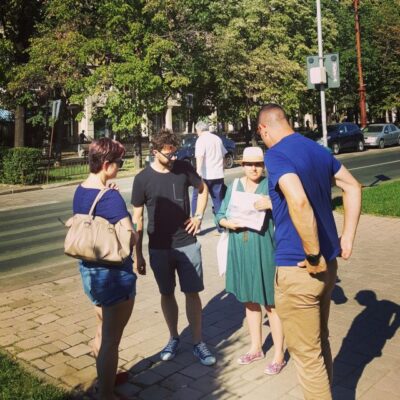

Bucharest Essential Tour: Old Town, Calea Victoriei & Communism
Read our review →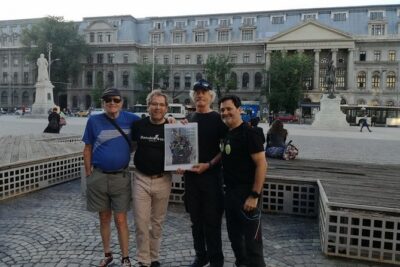
Communism in Bucharest – Landmarks, Museum & Communist Appetizers
Read our review →
Browse the lists this tour appears in