Reviewed · COMMUNIST HISTORY TOURS
Bucharest Communism: From Lenin to Ceausescu
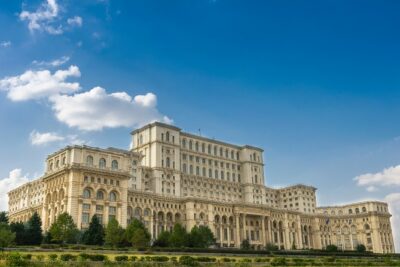
Bucharest’s Communist story is interesting because it uses real streets and landmarks to explain how ideology became architecture, surveillance, and finally bloodshed at Revolution Square. I love how the route starts on Bulevardul Unirii, then points you toward the Palace of the Parliament, the second largest administrative building in the world. I also like that the guide brings in the human side, with details like food rationing and Ceaușescu’s last days.
One possible drawback: this is a heavy tour. You will hear the numbers behind oppression, including 6 years in prison, 25 years of dictatorship, and the demolition of three neighborhoods and 40,000 households.
Plan on a focused 2.5 hours of walking and guided stops. If you get guides like Alex or Horia, expect lively explanations with humor, plus room for questions.
Key things I’d circle on your map
- Second largest administrative building: the tour’s main set piece is the Palace of the Parliament, tied to communist power.
- A real cost in real homes: you learn about three neighborhoods demolished and 40,000 households displaced.
- Ceaușescu’s rise in stark milestones: four classes of education, 6 years of prison, then 25 years as dictator.
- Life under rationing with specifics: you get concrete details like 2000 calories/day and set monthly quantities.
- Secret police and fear as systems: the tour explains how control worked, not just what happened.
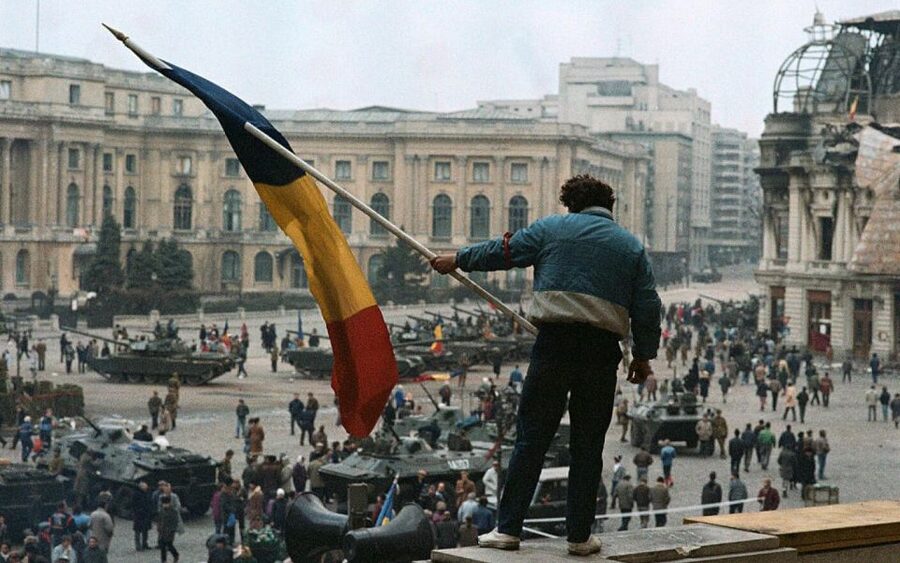
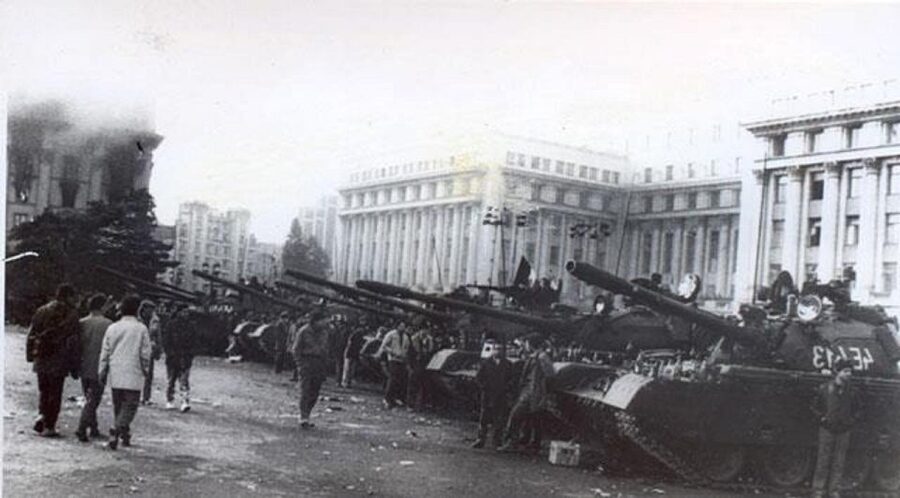
- A dramatic end at Revolution Square: the final minutes connect the revolution, trial, and execution.
Starting on Bulevardul Unirii, where power tried to look permanent
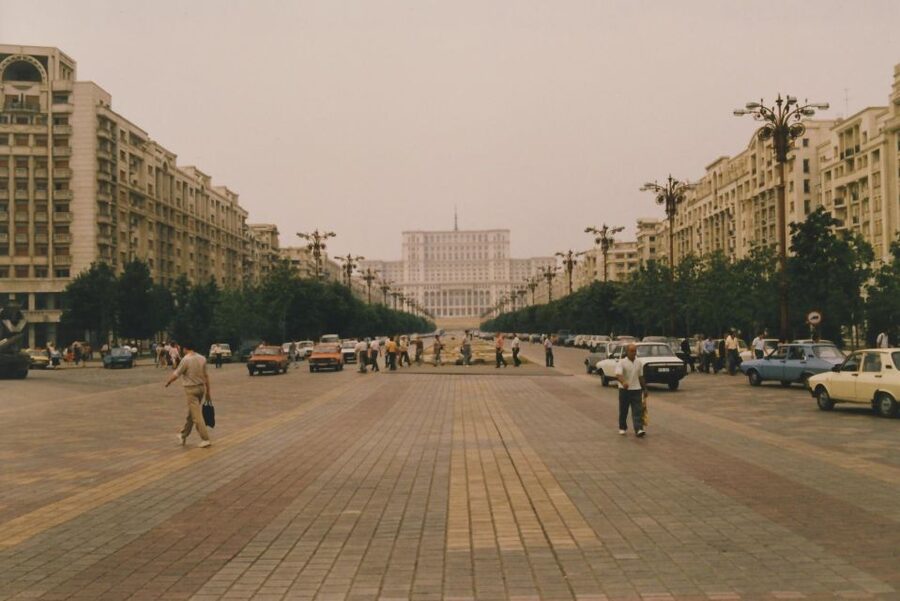
Your tour begins in the thick of the city where communist ambition was meant to be seen from everywhere. You meet at Bulevardul Unirii 5, next to the coffee shop Constitutiei, right near the big political corridor locals associate with the Socialist Victory Boulevard.
This first stretch matters because it sets the tone. Instead of treating communism as something that happened in books, you get it as something built into the city’s layout. Even before you hit the biggest landmarks, the guide frames the “why” behind the concrete: propaganda, control, and the idea that a regime could overwrite daily life simply by redesigning space.
The pacing is also useful here. In about the time it takes you to get your bearings, you start seeing connections between what the state wanted and what the people actually experienced.
More tours covering the communist period in Bucharest:
- The Real tour of Communism
★ 5.0 · 666 reviews - Life under Communism
★ 5.0 · 358 reviews - 3-Hour Guided Tour of Communist Bucharest
★ 4.9 · 303 reviews
The Palace of the Parliament, Romania’s most extreme statement of power
The main stop is the Palace of the Parliament, where the tour shifts from background history to the physical centerpiece of communist megalomania. You get a guided tour and sightseeing walk here for about 20 minutes, which is a tight window. The trick is to pay attention to what the guide points out rather than trying to absorb everything at once.
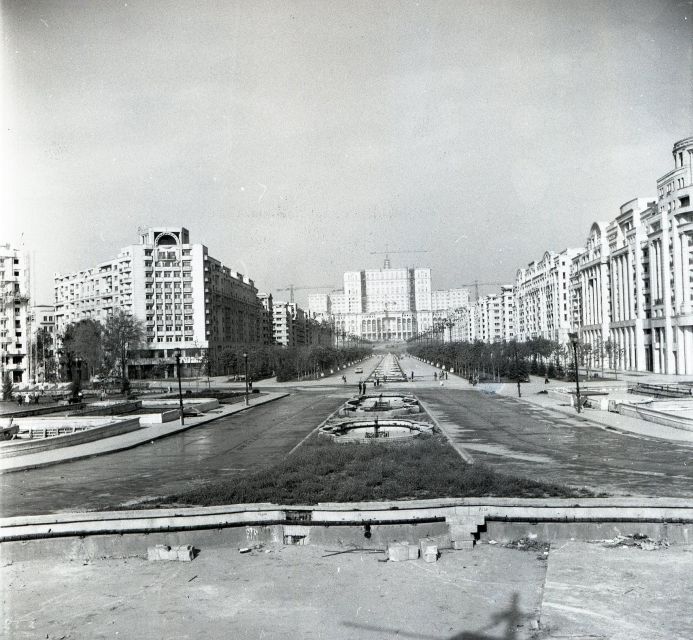
This building is described as the second largest administrative building in the world. That alone signals the mentality: scale used as persuasion. And the guide does not treat it as just an impressive object. You also hear about the demolition behind it, including three neighborhoods and 40,000 households wiped out to make way for the project.
That’s the moment the tour becomes more than sightseeing. You start seeing how “monumental” can also mean “violent,” because city planning was used like a weapon. If you like history that connects policy to real consequences, you’ll probably lean in hard during this stop.
What to watch for
- Look for how the guide links the building’s presence to how the regime wanted society to feel: small, watched, and controlled.
- Since entrance tickets are not included, you might be mostly focused on what you can see and interpret without paying for extra interior access.
Antim Monastery and Patriarchal Cathedral, why old faith and old power still matter
After the big communist symbol, the route quickly adds contrast. You visit Antim Monastery for about 10 minutes, then move to the Patriarchal Cathedral for roughly 20 minutes.
These stops are not there by accident. They give you a sense of what existed before the communist machine fully tightened its grip. The guide’s job here is to help you read culture and tradition as something the regime had to manage, reshape, or suppress.
If you’ve ever wondered how systems of belief survive when governments get extreme, this is a helpful pause. Monasteries and cathedrals are not “politics,” but they show you how people organized meaning long before the state took over daily rhythms.
A different kind of day out:
- Bucharest: Dracula’s Castle, Peles Castle, & Brasov Old Town
★ 4.5 · 17,858 reviews - Bucharest: Dracula Castle, Peles Castle & Brasov Old Town
★ 4.6 · 10,891 reviews - Bucharest: Dracula’s Castle, Peleș Castle & Brașov Day Trip
★ 4.5 · 5,919 reviews - Bucharest: Palace of Parliament Tickets and Guide
★ 4.3 · 3,182 reviews
Bucharest fountains and Piața Unirii, the city’s in-between spaces
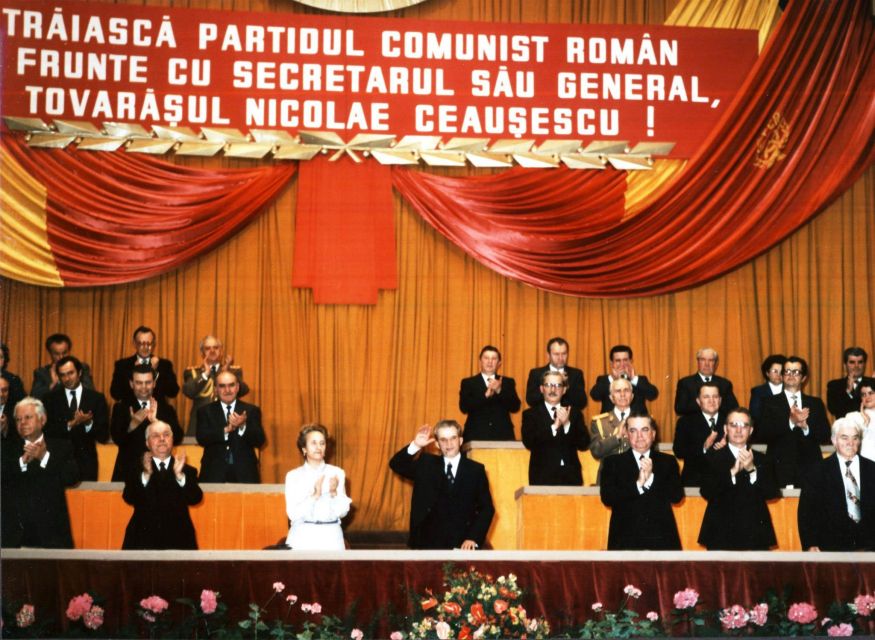
Next come shorter, faster breaks: Bucharest fountains (about 5 minutes) and Piața Unirii (another 5 minutes). These are brief stops, but they can be a useful breather in a tour that is otherwise emotionally intense.
What I like about this structure is that it prevents the information from turning into a lecture without a pulse. You get moments where you can look around, track how the area feels, and let the guide’s story “sit” in the real environment again.
And because these are public spaces, the guide can connect the ideology to everyday life: how people moved through the city, how they gathered, and how a regime tried to steer even ordinary patterns.
Old Town and University Square, where everyday life can hide in plain sight
You then step into more walkable, human-scale zones: Old Town, Bucharest for about 15 minutes, followed by University Square for around 5 minutes.
This part helps you understand a key point about oppression. Systems like to claim they control everything, but people still find ways to live. Places like Old Town and the areas around universities are where the tour’s contrast can feel sharp: old social habits continue even when politics tries to rewrite the rules.
It’s also a strong section if you enjoy questions, because the guide often uses these stops to test what you are noticing. You learn faster when you’re actively comparing what you see with what you were just told about surveillance, propaganda, and rationing.
Royal Palace of Bucharest and Romanian Athenaeum, power and culture on display
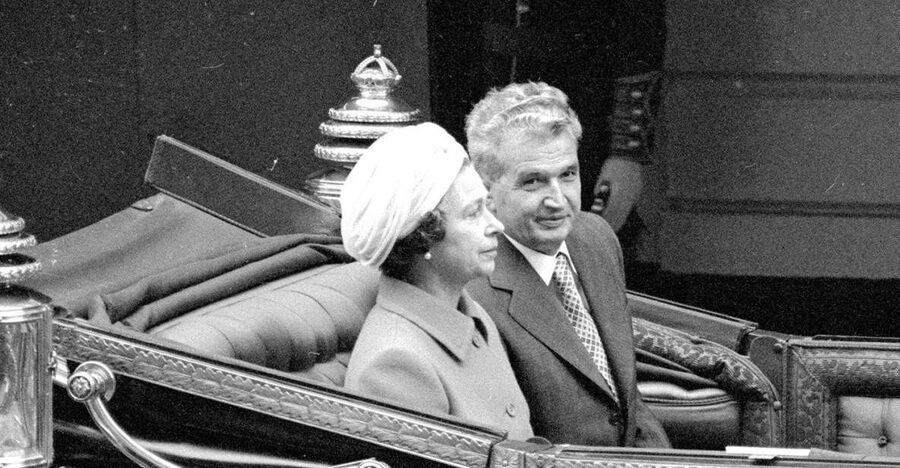
Two more standout stops come next: the Royal Palace of Bucharest (about 10 minutes) and the Romanian Athenaeum (about 10 minutes).
I find this pairing smart. Even if the communist regime is the core of the tour, these places help explain what came earlier, and how different institutions broadcast authority. A palace tells one story. A cultural landmark tells another. Together they help you grasp that governments do not only rule with police. They rule with symbols.
If you tend to connect dots quickly, you’ll probably enjoy how the guide links these stops to the bigger timeline, including how Romania’s society was shaped before communist rule fully took over.
Ceaușescu’s background, his rise, and why control worked at home
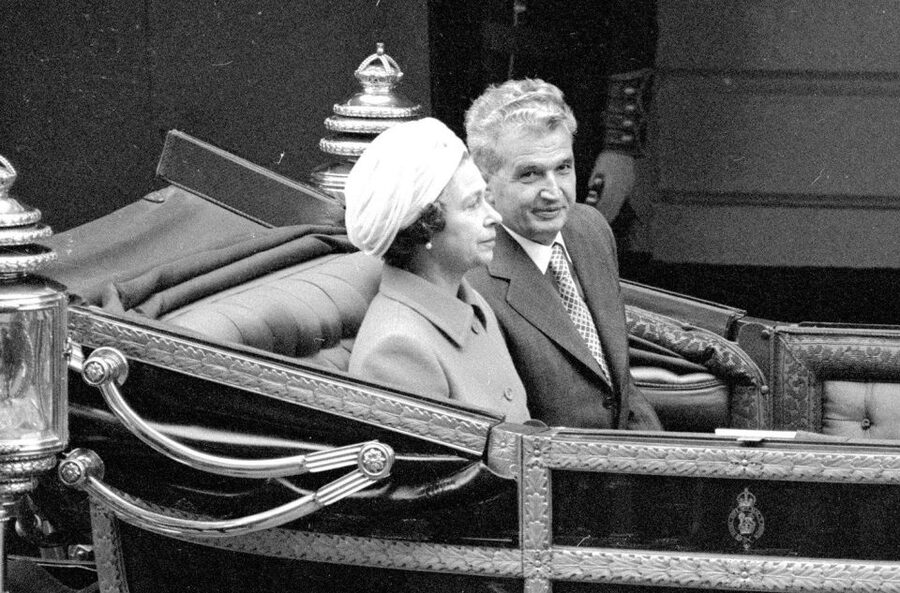
Once you’ve seen the mixture of old and new power, the guide turns toward the person at the center of the story: Nicolae Ceaușescu.
You learn that his regime is described as one of the most oppressive in the Eastern Bloc, with a comparison to the Kim dynasty. That comparison is there to underline the core idea: not just a dictatorship, but a system built around long-term personal rule.
Then the details get specific, and that’s where the tour earns its keep:
- Ceaușescu’s early path was marked by a poor background, including four classes of education.
- His timeline includes 6 years in prison.
- His dictatorship lasts 25 years.
Why these facts matter: they show you how power can be built out of hardship, ideology, and discipline, then enforced through fear.
Secret police and rationing: the everyday mechanisms of oppression
The tour also covers the secret police, because control is not only about dramatic events. It’s about what people do at home: who they can trust, what they dare to say, and how they manage scarce resources.
Then comes the hardest part to picture until you hear the numbers. The guide talks about 2000 calories/day, tied to a rationed diet described with specifics such as 500 grams of cheese, 10 eggs, and 1.5 kilograms of meat per month.
A detail like that might sound odd at first, but it does make a point. Even when people got certain quantities, the state still determined the rules of life. The regime’s power was measured in schedules, ration cards, and the threat of consequences if you stepped out of line.
A guide-led way to make the whole timeline click
If Alex is your guide, the tour often starts with philosophy, including Hegel, Marx, and Engels, then moves to the feudal system in Eastern Europe and the Bolshevik revolution. That sequence is useful if you want context for why communism evolved the way it did, not just what happened in Romania.
Even if your guide takes a slightly different approach, the goal is the same: by the time you reach the end, you understand how ideology, institutions, and personal rule connected.
Revolution Square, where the story lands with the trial and execution
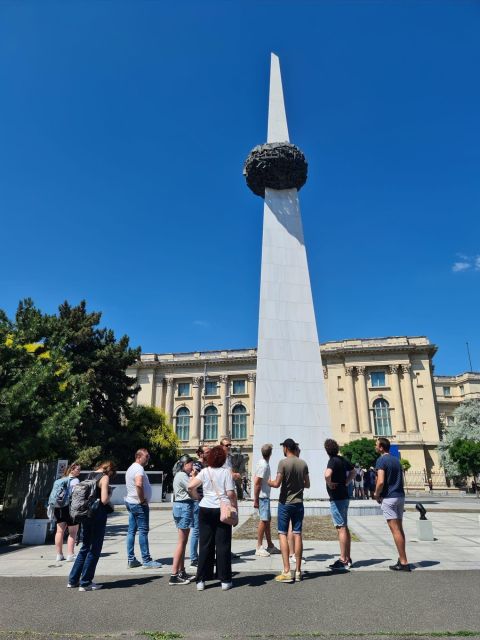
The final stop is Revolution Square, with about 20 minutes for guided visit and sightseeing, before you finish there.
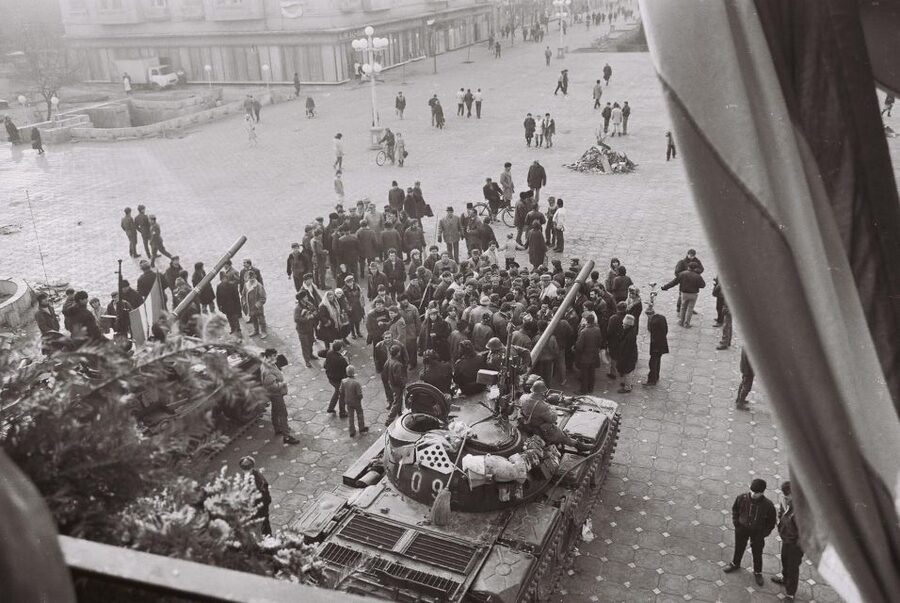
This section is built around the collapse of the regime. You learn about Ceaușescu’s last days, the revolution, the trial, and the execution. The tour also points to the human scale behind the end, describing how a group of agitators plotted the end of Ceaușescu’s regime.
I like ending here because it forces a clean emotional arc. You start with a city shaped by power. You move through contrasts, culture, and daily-life control. Then you finish at a public space where history turns into consequences you can’t ignore.
When the guide ties the narrative back to the square, it’s easier to hold onto the meaning of everything you just saw. This isn’t just about one ruler. It’s about what people can do when a system cracks.
Price and logistics: what $23 buys you
The price is $23 per person for a 2.5-hour tour with a local guide. That’s good value if your goal is explanation, not just photo stops. You’re paying mostly for a person who can connect buildings, policy, and the sequence of events into a story you can actually remember.
A few practical things to plan for:
- Entrance tickets are not included, so if an interior visit becomes part of your day, you may need to cover that separately.
- Food and drinks are not included, so bring water or plan a stop after.
- You should arrive 10 minutes before the start so you don’t miss the first framing of the story.
The tour runs in English and Romanian, which is helpful in a city where history can be heavy, and you’ll want language you fully control.
Should you book this Bucharest Communism tour?
Book it if you want a straight, guided walk through the Romanian communist era, with clear links between the city’s most dramatic communist construction and the lived reality behind it. I’d especially recommend it if you like history told by guides who keep the pace moving, use humor to stay human, and can handle questions without turning things vague.
Skip it if you are hoping for light sightseeing or a purely architectural day. This tour spends real time on oppression, prisons, displacement, and the end of a dictatorship. It is not built to be relaxing.
If you’re visiting Bucharest with enough time to slow down and think, this is one of the best ways to understand how Bucharest looks the way it does, and why the past still shows through.
FAQ
Where is the meeting point for the Bucharest Communism tour?
Meet at Bulevardul Unirii 5, next to the coffee shop Constitutiei.
How long is the tour?
The tour lasts about 2.5 hours.
What is the price per person?
The price is $23 per person.
What places will we visit during the walk?
You’ll visit the Palace of the Parliament, Antim Monastery, Patriarchal Cathedral, Bucharest Fountains, Piața Unirii, Old Town Bucharest, University Square, the Royal Palace of Bucharest, the Romanian Athenaeum, and finish at Revolution Square.
Is a guide included?
Yes, a local guide is included.
Are entrance tickets included?
No, entrance tickets are not included.
Is food and drink included?
No, food and drinks are not included.
What languages is the tour offered in?
The tour is offered in English and Romanian.
What is the cancellation policy?
You can cancel up to 24 hours in advance for a full refund.
Recently added around Bucharest
- Winery touring & private wine tasting – one day private tour★ 5.0 · 3 reviews
- Bucharest: Dealu Mare Winery Private Trip with Wine Tasting★ 4.9 · 6 reviews
- Traditions in Bucharest: Village Museum and Wine Tasting★ 5.0 · 8 reviews
- Village Museum Bucharest Guided Tour★ 5.0 · 6 reviews
- Your rendez-vous with Europe’s past: time-travel to Maramures, Transylvania★ 5.0 · 6 reviews
- Walking Tour of Bucharest City Center – Private Tour★ 5.0 · 4 reviews
- Wine tasting in Bucharest Old town – bonus cheese platter★ 4.5 · 6 reviews
- Private Wine Tasting at Bucharest’s First Wine Bar★ 5.0 · 3 reviews
Communist History Tours, compared.
Bucharest Essential Tour: Old Town, Calea Victoriei & Communism
Read our review →
Communism in Bucharest – Landmarks, Museum & Communist Appetizers
Read our review →
Browse the lists this tour appears in