Reviewed · COMMUNIST HISTORY TOURS
Exploring a Former Communist Prison
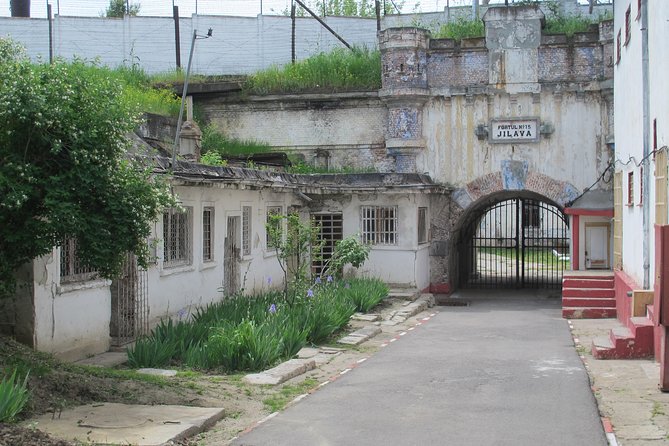
This is the kind of tour that makes Bucharest feel like a real classroom. You start in Revolution Square, then ride through communist neighborhoods, and end with exclusive access to Fort 13 Jilava, a former communist prison turned memorial inside Bucharest’s biggest prison.
Two things I like a lot. First, you do not just read about the regime, you see the physical city it built, including the “Bronx of Bucharest” areas that tourists usually skip. Second, the guide work feels personal, like hearing from Mircea, who shares what it was like around December 1989 when communism fell.
One caution: the prison visit has strict rules. Mobile phones are not allowed inside, and photos are only allowed with a camera, so plan for a slower, more respectful kind of sightseeing.
Key highlights you should actually care about
- Small group size (max 8) keeps the conversation going, not just the lecture.
- Revolution Square history by car connects centuries of Bucharest development to what happened in 1989.
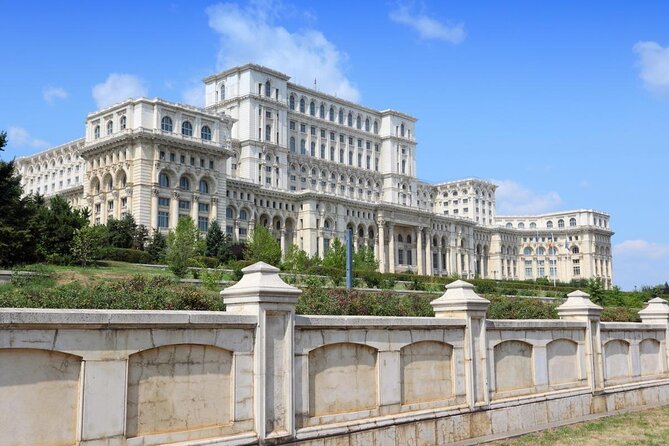
- A quick loop past the Palace of Parliament with the darker stories and local impact.
- Ferentari and the Second Hand stop show the city’s still-living inequalities.
- Carol Park includes a traditional communist meal, so you taste the theme, not just talk about it.
- Fort 13 Jilava rules (no phone, camera only) shape the visit into a focused, serious experience.
Communist Bucharest in one tight 6-hour loop
I like this tour because it is built around movement. You are not stuck in one museum room. You ride through districts that explain how the regime reshaped daily life, then you move into a detention space that is hard to forget.
The full tour runs about 6 hours. That is enough time to cover five meaningful stops without feeling like you need a second day just for this topic. The schedule also starts at 9:30am, which helps if you want to keep the rest of your afternoon free.
You also get a small group experience, with a maximum of 8 people. That matters here, because questions are part of the deal. It is the kind of day where you may want clarification, not just facts.
And yes, the subject matter is heavy. You are walking through the machinery of repression. Still, the structure keeps it from turning into pure gloom. You get context first, then you see the place, and you finish with food.
More tours covering the communist period in Bucharest:
- The Real tour of Communism
★ 5.0 · 666 reviews - Life under Communism
★ 5.0 · 358 reviews - 3-Hour Guided Tour of Communist Bucharest
★ 4.9 · 303 reviews
Piața Revoluției: how 500 years of Bucharest leads to December 1989
Revolution Square is not just a landmark stop. It is where the tour helps you understand how Bucharest became Bucharest. You start with a drive and city overview that links the city’s growth over the past 500 years with the way military fortification systems took hold.
That may sound abstract, but it lands when you look at the street plan and how authority shows up in buildings and walls. Cities often keep their older layers, even when they pretend they are modern. Here, you get guided connections between the physical city and the political story.
Then the tone turns sharper. The guide talks with firsthand energy about what it felt like around communism’s fall, including Mircea describing being there in December 1989 at Revolution Square. Even if you already know the headlines, it is different when someone frames it as a lived moment rather than a chapter in a textbook.
Practical tip: because Stop 1 is mostly by car, do not expect long wandering time here. Wear comfortable shoes anyway, because you are still in the city, and you will move between vehicles and viewpoints.
Palace of Parliament: the photo stop with an explanation you will remember
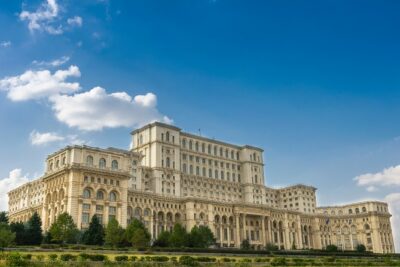
Next comes a quick, focused moment at the Palace of Parliament. You do a short stop to circle the building and get the kind of context that makes your Instagram photo make sense later.
This is one of those places where the architecture itself attracts attention, but the real story is about people. You learn about darker chapters tied to the building and what it has meant for the local community.
That “what it means” part is key. It is easy to look at the Palace as a landmark and move on. Here, you are guided to think about cost, power, and who paid for what. The tour keeps the stop short, about 20 minutes, so you get the big picture without eating up the entire day.
If you plan to take pictures, remember you are still moving in a schedule. Quick shots work best. Think composition, then move on.
Ferentari and the Second Hand stop: when Bucharest feels real, not curated
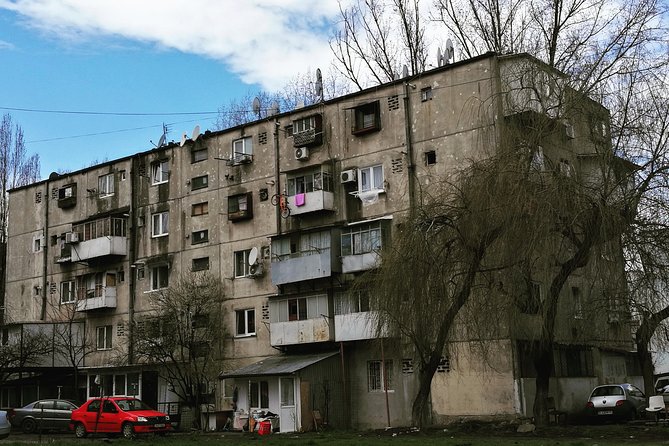
After the grand civic symbols, the route shifts. You head through the area people sometimes call the Bronx of Bucharest, an area that sits outside the usual tourist map. The goal is not shock. It is perspective.
You drive through neighborhoods that show inequality in a way that is still visible today. Then you get access to an old military fort inside an active prison, connected to the regime’s brutal use of detention and punishment.
This stop is about contrast. In earlier parts of the day you are learning how power built Bucharest. Here you see the system’s physical side, a place that tells you what “control” meant when it was enforced through confinement.
Stop timing here is about 1 hour, and admission is included. That matters because the experience is not just a drive-by. You actually explore the space.
Practical consideration: you may feel a little unsettled at this point in the tour. That is normal. The tour does not try to make this comfortable in the shallow sense. It tries to make it understandable.
A different kind of day out:
- Bucharest: Dracula’s Castle, Peles Castle, & Brasov Old Town
★ 4.5 · 17,858 reviews - Bucharest: Dracula Castle, Peles Castle & Brasov Old Town
★ 4.6 · 10,891 reviews - Bucharest: Dracula’s Castle, Peleș Castle & Brașov Day Trip
★ 4.5 · 5,919 reviews - Bucharest: Palace of Parliament Tickets and Guide
★ 4.3 · 3,182 reviews
Carol Park and the communist meal: food as part of the lesson
Carol Park gives you a reset, but not a total break. It is a park setting with a specific theme, including the mausoleum of communist leaders. Even if you are not into monuments, this is useful because it shows how public memory gets staged in everyday spaces.
Then comes the meal. You get a full traditional communist meal here, and the stop also runs about 30 minutes.
I like this choice because it treats culture as something bigger than buildings. During communism, daily life was shaped by shortages, routines, and official narratives. A meal, even a guided one, helps you imagine routine. It is not the whole story, but it adds texture when you have been thinking in terms of prisons and politics all morning.
Included with the day are snacks like covrig, a Romanian street pretzel, plus local traditional bites. You also get bottled water and coffee or tea as part of the included refreshment plan.
So the practical setup is good: by the time you are sitting for a meal, you are not running on dry facts. You are ready to take it in.
Fort 13 Jilava: rules, access, and what makes this visit different
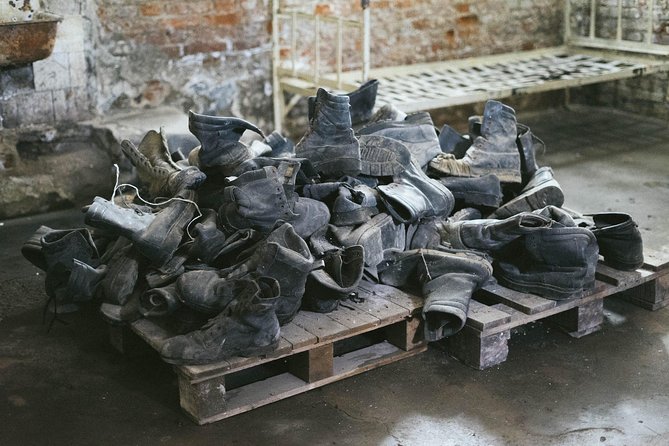
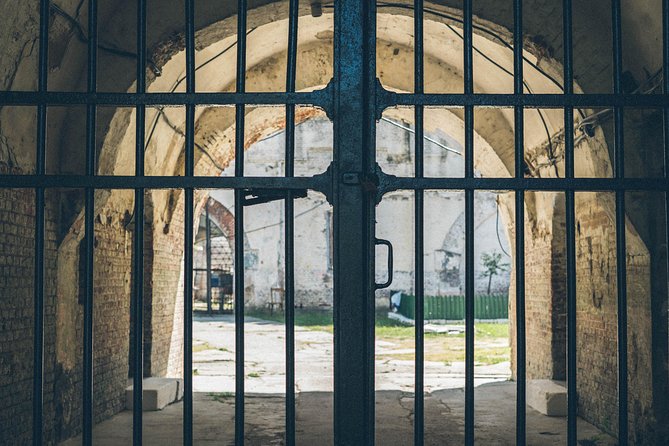
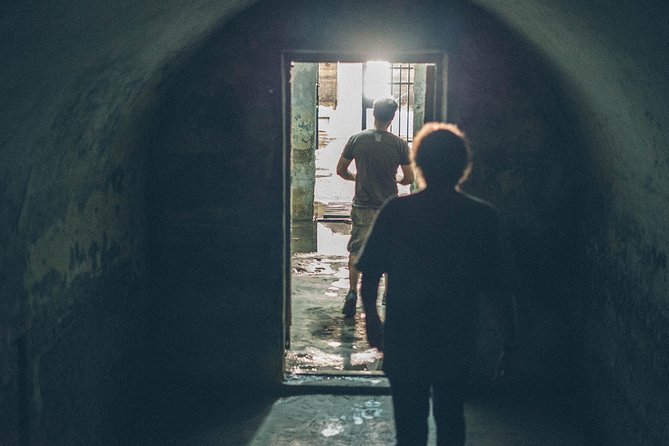
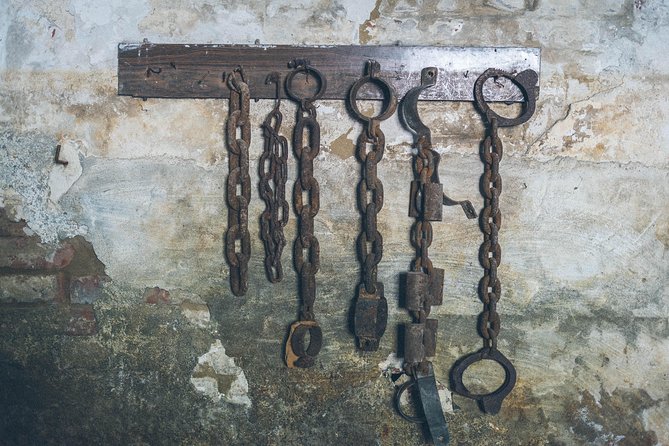
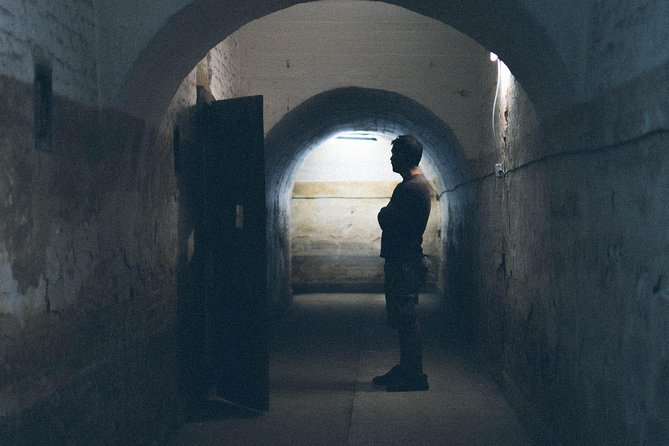
The final stop is Fort 13 Jilava, the one that really anchors the day. This is an old military fort from the 19th century that was transformed into a communist detention and execution camp.
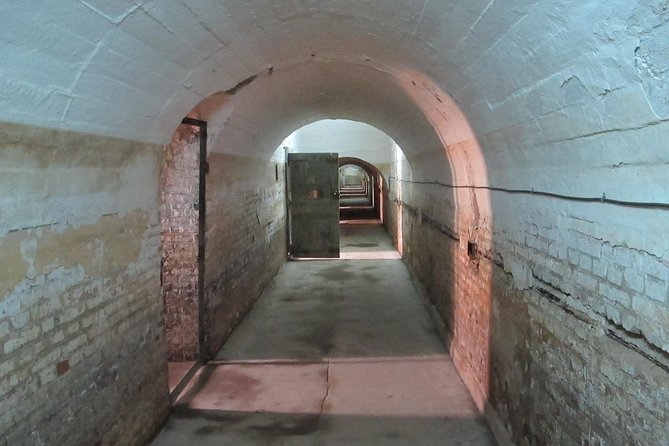
What makes it special is the access. You do not just hear stories from outside. You visit the memorial within Bucharest’s largest prison, which helps you understand scale and atmosphere in a way photos cannot.
This is also where the tour becomes very clear about boundaries:
- Mobile phones are not allowed inside the prison.
- Photos are allowed only with a camera.
Those rules shape how you experience the place. You cannot rely on your phone screen to manage discomfort or boredom. You also have to slow down. You take notes in your head. You pay attention to the guide’s direction.
If you want photos, bring a camera and confirm it is charged before you arrive. If you do not usually carry one, consider the tradeoff. You may find you remember more without trying to capture everything.
The visit lasts about 2 hours, and admission is included. That time matters. Fort 13 Jilava is not a “look, move on” site. It needs time to absorb.
Also, because it is a memorial, the tone should stay respectful. Keep your voice calm. Follow the guide’s instructions even if something feels strict. This is not the place for casual pacing.
Price and value: what you are paying for besides tickets
At $173.47 per person, this tour is not a budget add-on. But when you look at what is included, it starts to feel more reasonable.
You get:
- Air-conditioned vehicle for the day
- Snacks, including covrig and local bites
- Bottled water (500 ml)
- Coffee and/or tea
- One beer (400 ml) or an equivalent
- Admission included at the prison-related parts (including the key Fort 13 Jilava stop)
- A full traditional communist meal at Carol Park
You also get the time. Roughly 6 hours in a planned route beats the chaos of trying to stitch together separate stops. You are paying for transport, guided explanation, and the structured access that is hard to recreate on your own.
Is it still expensive for some budgets? Yes. If you only want a quick overview, you might choose something shorter. But if you care about meaning, context, and actual access to Fort 13 Jilava, the value is clearer.
One more thing: the small group size helps justify the cost. You are not lost in a crowd.
How to prepare for a day that’s historical but also physically real
This tour is built for a mix of seated driving and walking/exploring at the sites. Plan for a long morning into early afternoon.
Bring:
- A camera if you want photos at Fort 13 Jilava
- Comfortable shoes
- A light layer, even in warmer months, because indoor spaces can feel cooler
- Your patience for rules at the prison memorial
Also, the tour is weather-dependent and requires good weather. If Bucharest weather turns, you may be offered a different date or a full refund. That is worth keeping in mind when you book.
Since a mobile ticket is used, make sure your phone is charged for the parts before you hit Fort 13 Jilava. Once you are inside, you will be leaving your phone behind.
Who should book this communist prison and Bucharest-history tour
You will likely enjoy this most if you:
- Want Bucharest context that goes beyond postcard sights
- Like guided history that connects politics to the shape of a city
- Prefer smaller groups and real back-and-forth with the guide
- Are okay with a serious theme that asks you to pay attention
This is also a strong choice if you have already visited one big attraction (like the Palace area) and you want the story behind it. The tour is careful to balance the heavy stops with explanations and breaks, including the meal.
If you are very sensitive to dark history and prefer lighter topics, you might find this mentally intense. The tour does not hide that. It explains it.
Should you book Fort 13 Jilava and the communist Bucharest route?
I’d book it if you want the kind of day that helps you understand the regime as both a system and a built environment. The combination of Revolution Square framing, the Palace context, the Ferentari stop, and the Fort 13 Jilava access is a strong arc.
Skip it only if you want a relaxed sightseeing day with minimal rules and minimal emotional weight. Here, the phone restrictions and the subject matter are part of the experience.
Overall, this feels like a high-value guided day in Bucharest for people who want more than surface facts, and who appreciate guides who speak from real engagement, like Mircea.
FAQ
How long is the tour?
It runs for about 6 hours.
What is the tour price per person?
The price is $173.47 per person.
Where do you meet, and where does the tour end?
You start at Memorial of Rebirth, Piata Revolutiei, București 030167, Romania. The tour ends back at the same meeting point.
What time does the tour start?
The start time is 9:30am.
Is a mobile ticket used?
Yes, this experience uses a mobile ticket.
What food and drinks are included?
You get snacks (including covrig and local traditional bites), bottled water, coffee and/or tea, and one beer (400 ml) or an equivalent. You also have a stop for a full traditional communist meal at Carol Park.
Are admissions included for Fort 13 Jilava?
Yes, admission is included for Jilava Fort 13.
Are there restrictions on phones and photos at Jilava Fort 13?
Yes. Mobile phones are not allowed inside the prison. Photos are allowed only with a camera.
How many people are in a group?
The maximum group size is 8 travelers.
Does the tour depend on weather?
Yes. It requires good weather. If it is canceled due to poor weather, you will be offered a different date or a full refund.
Recently added around Bucharest
- Bucharest: Dealu Mare Winery Private Trip with Wine Tasting★ 4.9 · 6 reviews
- Winery touring & private wine tasting – one day private tour★ 5.0 · 3 reviews
- Traditions in Bucharest: Village Museum and Wine Tasting★ 5.0 · 8 reviews
- Village Museum Bucharest Guided Tour★ 5.0 · 6 reviews
- Your rendez-vous with Europe’s past: time-travel to Maramures, Transylvania★ 5.0 · 6 reviews
- Walking Tour of Bucharest City Center – Private Tour★ 5.0 · 4 reviews
- Wine tasting in Bucharest Old town – bonus cheese platter★ 4.5 · 6 reviews
- Private Wine Tasting at Bucharest’s First Wine Bar★ 5.0 · 3 reviews
Communist History Tours, compared.

Bucharest Essential Tour: Old Town, Calea Victoriei & Communism
Read our review →
Communism in Bucharest – Landmarks, Museum & Communist Appetizers
Read our review →

Browse the lists this tour appears in