Reviewed · 3-HOUR EXPERIENCES
Bucharest: Alternative Sightseeing 2.5-3h-Hour Guided Tour
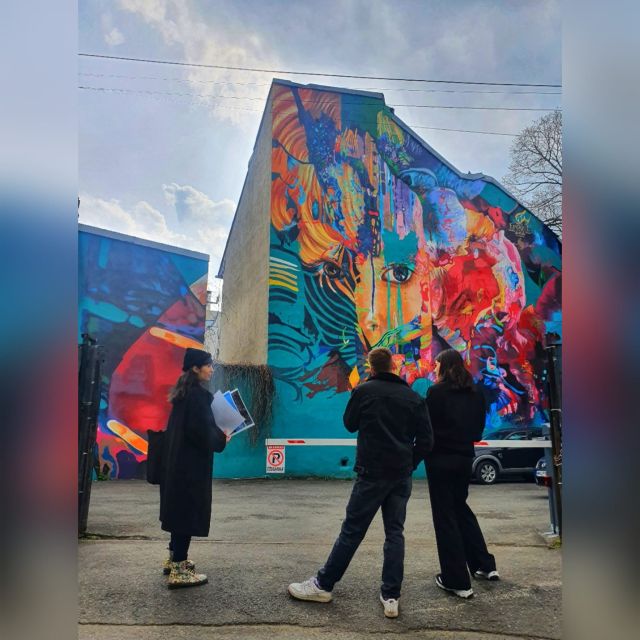
What makes Bucharest alternative sightseeing so interesting is that it teaches you how to read the city like a living wall. I really like the street art focus and the way the guide connects it to real public life and social change. You also get a route that prioritizes places most classic tours skip.
One thing to consider: you will walk a fair bit on uneven sidewalks, so comfortable shoes matter, and this is not a sit-down, museum-style outing.
Key things to look forward to
- Start at Izvor Metro Station, where the tour kicks off with early signs of free expression in the city
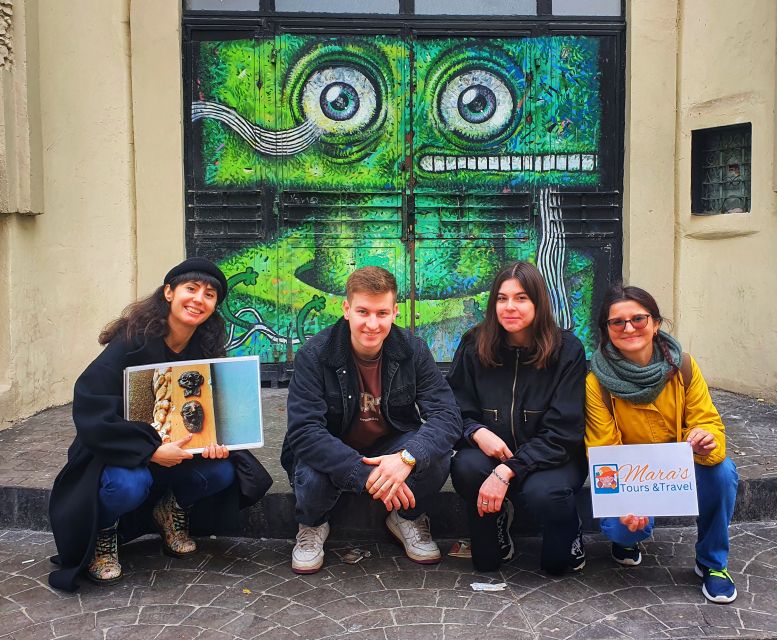
- Small group size (max 10), which makes it easier to ask questions and actually talk about what you see
- Photo-friendly mural stops, from stickers and small details to big, story-heavy walls
- A street art to activism connection, explained through libraries, bars, theatres, and other everyday hangouts
- Coffee and market moments built into the walk, including a stop at Beans & Dots and Kraft Market
- A finish at Food Hood, so you can keep the alternative-food vibe going after the tour
Why this walk feels different in Bucharest
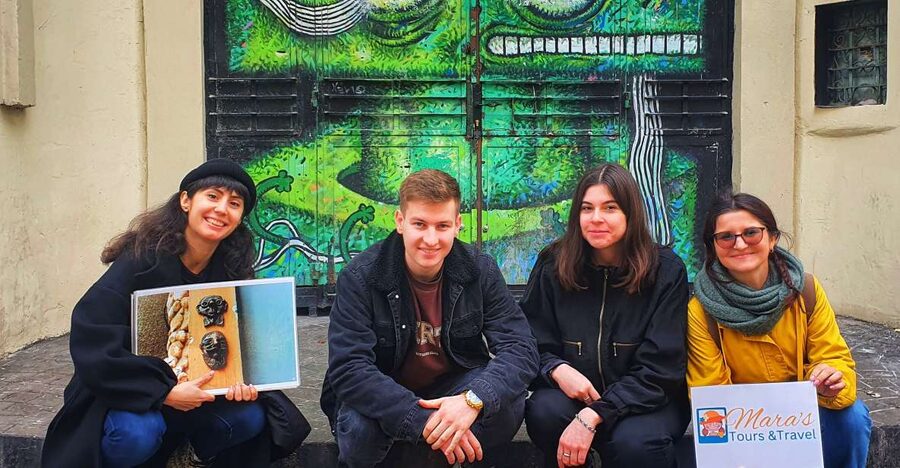
Bucharest street art is not just decoration. On this kind of tour, the message is always that the wall is part of the neighborhood conversation. You start seeing how artists use public space the way other people use newspapers, flyers, or protest signs. And once you know what to look for, you spot meaning everywhere, not only in the biggest murals.
I like that the guides treat the city like a system of places, not a checklist of sights. You get stops that range from university-adjacent areas to hotels, coffee shops, markets, and long avenues. That matters because street art rarely exists in a vacuum. It reacts to the city around it: who gathers there, what people argue about, and what young artists want the street to say.
If you are the type who thinks graffiti is mostly vandalism, this tour is a good reality check. Expect stories that link street art and activism, and a guide who helps you look past the first impression.
Other Bucharest tours to compare
- 3-Hour Guided Tour of Communist Bucharest
★ 4.9 · 303 reviews - Bucharest: 3-Hour Dark History Tour with a Local
★ 4.9 · 301 reviews - Bucharest: 3-Hour Walking Tour
★ 4.9 · 77 reviews
Starting at Izvor Metro Station and the first signs of freedom
The tour begins outside Izvor Metro Station, an easy meeting point and a natural starting point for a walk about everyday expression. From the start, you are pointed toward visual cues that hint at why street art has such a strong voice here.
This opening matters more than it sounds. It trains your eyes right away, before you get distracted by the next interesting alley. The guide sets up the basic idea: a mural is not only about aesthetics, it is also about who gets to speak in public and how that speech survives over time.
If you want quick orientation for a first visit, this is a smart move. You do not wait until the middle of the walk to learn how to read what you are seeing.
Facultatea de Sociologie și Asistență Socială: youth spaces and social context
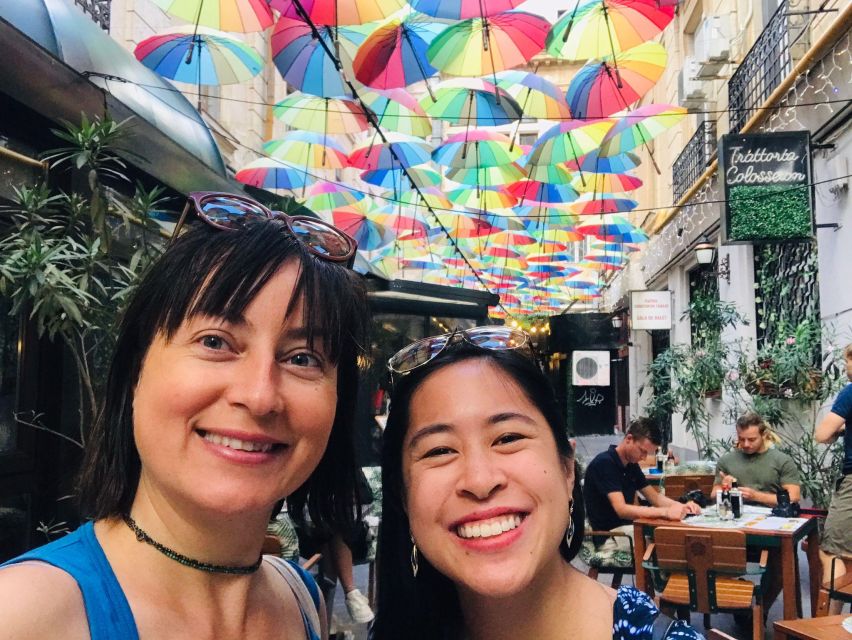
Next comes Facultatea de Sociologie și Asistență Socială, with a short guided segment (about 15 minutes). A university setting gives you instant context for why art shows up in public spaces in the first place.
This stop is about framing, not photo poses. You learn how young people and local culture shape what gets painted and what messages spread. Think of it as the tour’s explanation chapter, delivered while you are walking through the kind of area where students and ideas naturally mix.
Possible drawback: if you prefer only mural heavy stops with minimal talking, this is a more talk-forward moment. Still, it helps everything that follows make more sense.
Epoque Hotel: how a neighborhood landmark fits the art story
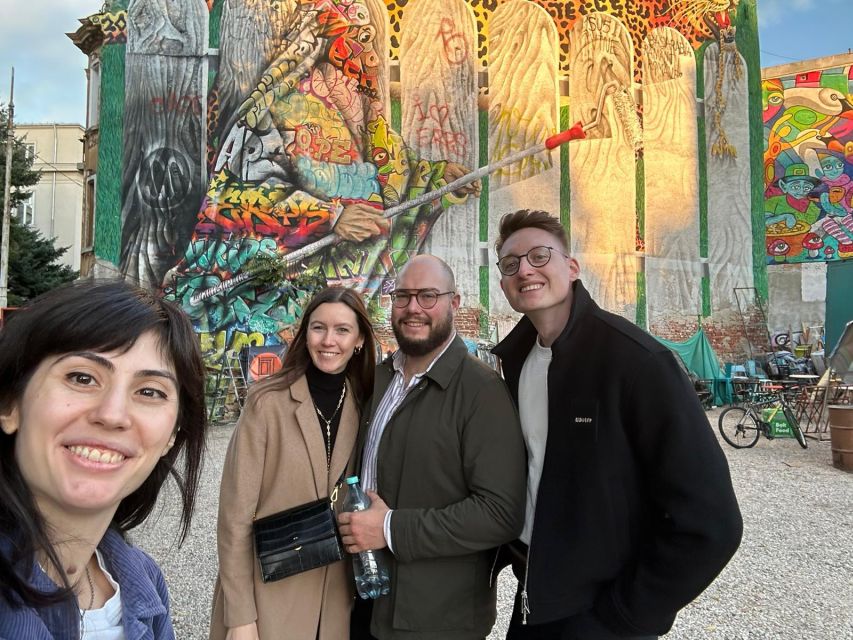
You then walk to Epoque Hotel for another guided section (around 20 minutes). Hotels in big cities often become invisible backdrops, but here they can matter because they sit in the same urban flow as local creators, visitors, and street conversations.
This is where the tour starts to broaden. Instead of focusing on one style of graffiti, you begin to understand how street art is woven into different kinds of spaces. A hotel area can feel like “just another street,” until someone points out how the surrounding public life shapes the art and how the art shapes how people experience the place.
If you enjoy urban design, this is a useful stop. It shows how street art behaves differently depending on foot traffic and who passes by.
A different kind of day out:
- Bucharest: Dracula’s Castle, Peles Castle, & Brasov Old Town
★ 4.5 · 17,858 reviews - Bucharest: Dracula Castle, Peles Castle & Brasov Old Town
★ 4.6 · 10,891 reviews - Bucharest: Dracula’s Castle, Peleș Castle & Brașov Day Trip
★ 4.5 · 5,919 reviews - Bucharest: Palace of Parliament Tickets and Guide
★ 4.3 · 3,182 reviews
Coffee at Beans & Dots: a break that also builds context
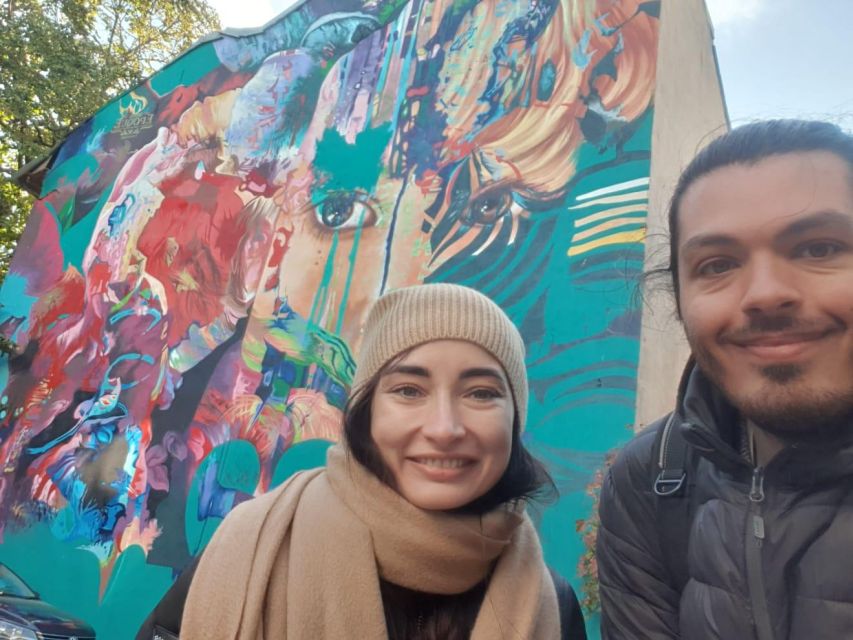
At Beans & Dots Specialty Coffee, you get about 20 minutes of coffee plus guided storytelling. This is not a random cafe stop. It functions like a pause button so you can absorb what you have seen, then shift your attention to the next set of locations with better questions in mind.
What you gain here is conversational. A coffee break in a tour like this can turn into a chance to talk through what you interpret versus what the guide explains. Some guides use an interactive approach, encouraging you to share your personal take on what a piece might mean before offering their own insights. That makes the art feel like something you are participating in, not only watching.
Practical note: bring a little buffer for buying something if you want it. The walk includes the coffee stop as part of the experience, but your personal order will be up to you.
Kraft Market and the small details that make street art work
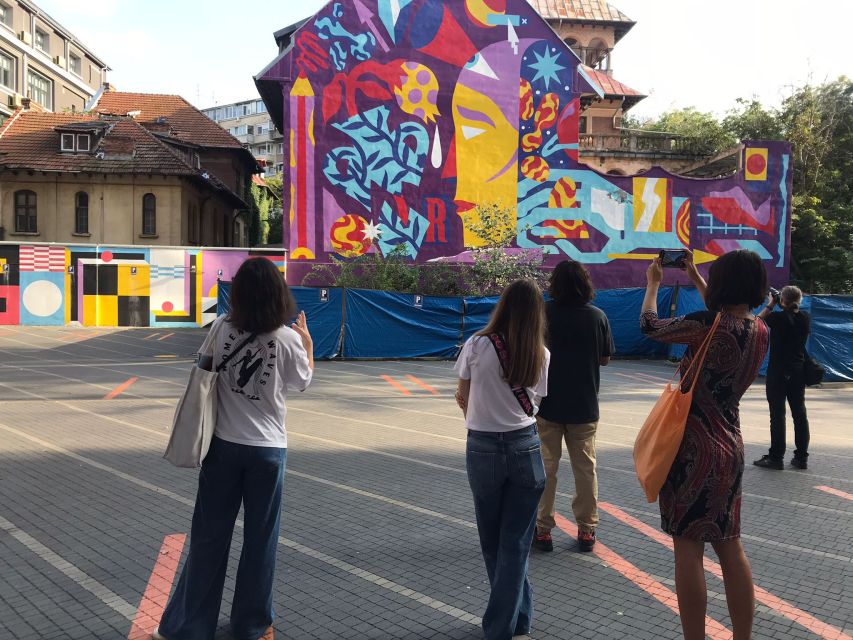
Then you head to Kraft Market for a brief guided look (about 10 minutes). Markets are where street art makes sense fast. People pause, browse, and notice more than they would on a rushed commute.
This stop is ideal for spotting the smaller things. Street art is often described as murals, but much of what makes it real is the layers: stickers, tags, smaller paste-ups, and quick interventions that change how a wall feels at street level.
If you are serious about photography, this is one of the best parts of the walk because you start thinking about texture and scale. You learn what to frame up close and what to step back for.
Calea Victoriei: murals, murals everywhere, and a long avenue perspective
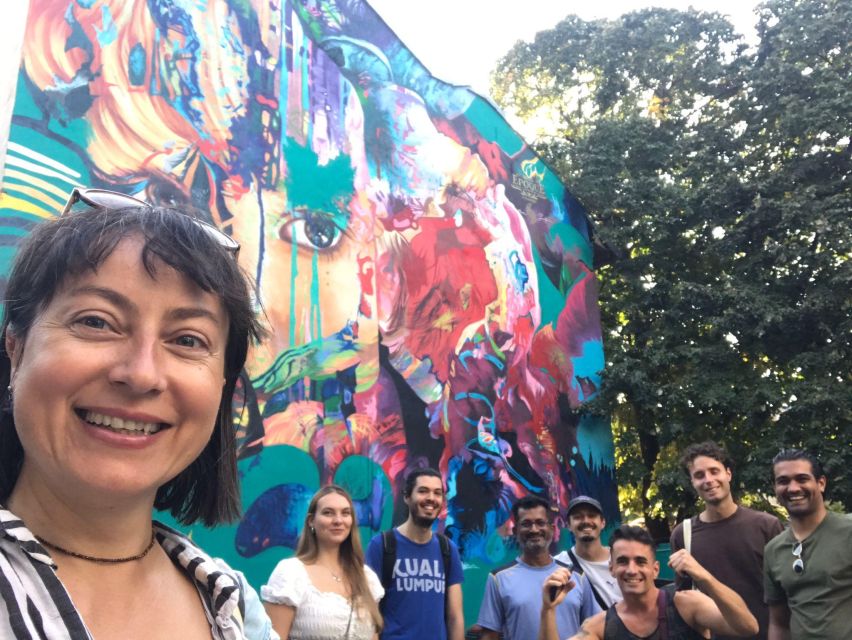
The longest segment (about 30 minutes) is along Calea Victoriei, one of Bucharest’s main avenues. This is where you learn how street art behaves in a higher-visibility setting.
A wide, busy road can flatten meaning if you do not have guidance, but with a good guide you get the opposite result. You see how the city’s big public spaces carry messages differently than side streets. You start to notice placement, visibility, and how pieces are positioned to speak to the flow of passersby.
This is also where street art becomes a kind of social map. You begin to connect what you see with everyday institutions and local culture, including the idea that venues like libraries and bars (and even independent theatres or outdoor cinema-style areas) have welcomed street artists over time. That is how you understand street art as part of local life, not a random oddity.
Photography tip: on an avenue, light changes quickly. For murals, a moment of stepping slightly left or right can make the whole piece pop in a photo.
The Bram Stoker and Dracula masonic mural: myth meets symbolism
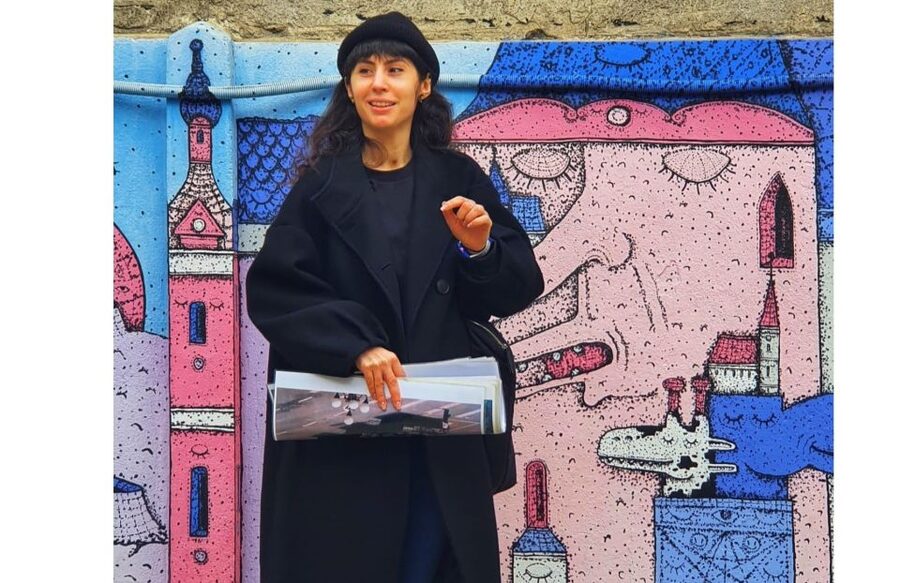
One of the most memorable stops is a mural painting featuring masonic imagery tied to Bram Stoker and Dracula, with about 15 minutes of guided time. This is the moment where the tour shows you that Bucharest street art is not only political or purely local. It can mix literature, symbols, and esoteric references in one visual language.
Even if you do not know the history behind every symbol, you can still learn how to read the mural. The guide helps you connect the reference points and understand why those themes show up here. For many people, this is the stop that turns “street art” into “storytelling.”
If you like weird, clever, and layered art, you will enjoy this one. It also gives you an easy anchor for the rest of the walk, because you start expecting meaning, not just color.
Finish at Food Hood: extend the night with the right vibe
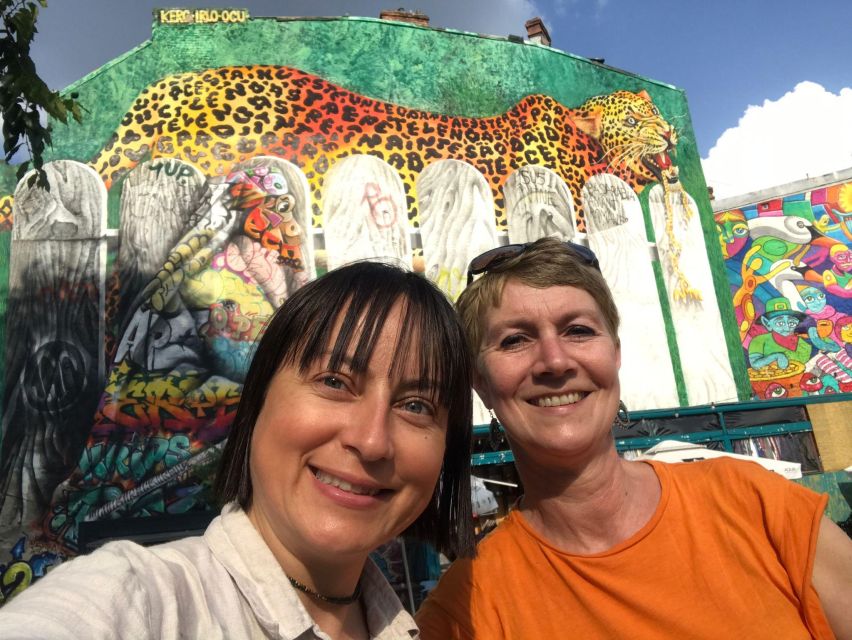
The walk finishes at Food Hood. Ending with food is smart for two reasons. First, you have energy to keep going right away. Second, you can continue the conversation with the group or with people near you, now that you have a shared set of images and ideas in your head.
This matters if you want a trip that feels connected. You are not just leaving after a checklist moment. You are taking the street art perspective with you into the way you choose your next meal.
What you will learn (and why it changes how you see Bucharest)
The best part of this tour is the interpretive thread. You start with the visual shock of color and writing, then you get the context that explains the purpose behind it. The tour’s main theme is the link between street art and activism, framed through how public expression works in this city.
You will likely walk away with a new habit: noticing who speaks in public spaces and how messages evolve. You will also learn that the street art scene is tied to younger creatives and independent culture, including spaces that support new work rather than waiting for mainstream approval.
From past participants, there are a few recurring strengths you should expect in practice:
- Guides like Elena and Anca are often described as passionate and strongly connected to the street art world, with stories that make the pieces feel alive
- Some guides use an interactive style, inviting you to share your interpretation first, then adding their own perspective
- You may even get small extras at the end, such as a short creation ritual some guides include as a closing touch
- Guides can be funny and efficient without rushing you out the door
Price and time: is $47 worth it?
At $47 per person for 2.5 hours (with the tour often running toward 2.5 to 3 hours), this is priced like a specialty experience, not a generic walking tour. The value comes from the format: a small group capped at 10, a live English guide, and multiple guided stops that are chosen for meaning and photo potential.
Here is the practical way to judge it. If your goal is to learn what you are looking at, rather than only see pretty walls, the price makes sense. Street art and graffiti can be easy to misunderstand without context. The guide turns that confusion into a clear way of seeing, and it usually saves you time later because you know where to look on your own afterward.
If your budget is tight or you only want a casual wander with minimal explanation, you might feel it is a little pricier for a half-day walk. But if you want the “how to read the city” benefit, this is a strong use of money.
Who this tour suits best
This experience is a great fit if you:
- Love photos of murals and want to know what you are photographing
- Care about how art connects to social issues
- Prefer small groups and conversation over large crowds
- Want a Bucharest introduction that goes beyond the postcard version
It might not be ideal if you only want famous landmarks and zero walking, or if you already have strong background in Romanian street art and symbolism. Even then, the Dracula-themed mural stop can be a fun surprise.
What to bring so the walk is comfortable
Wear comfortable shoes. You are walking between several points across the city, and the tour rhythm depends on keeping moving. Bring a phone for photos, and if you are the type who likes to take notes, jot down a couple of street art details you want to look up later. The tour is short, and your brain will keep collecting images after you leave.
Should you book Bucharest Alternative Sightseeing with street art?
Yes, I would book it if your idea of a great city visit includes street-level culture and meaning. The biggest reason is the payoff: you finish with a new way to see Bucharest, not only with a set of photos.
You should also book it early in your trip. Once you understand how the guide reads public art, you start noticing clues on your own in other neighborhoods. That turns the time you spend in Bucharest into something more connected and less accidental.
FAQ
Where does the tour start?
Meet your guide outside Izvor Metro Station.
How long is the tour?
The tour lasts 2.5 to 3 hours.
How much does it cost?
It costs $47 per person.
What language is the tour guide?
The tour is in English.
How big is the group?
The group is small, limited to a maximum of 10 participants.
What is included?
A live tour guide is included.
What should I wear or bring?
You should wear comfortable shoes.
What is the policy on canceling?
There is free cancellation up to 24 hours in advance for a full refund. You can also reserve now and pay later.
Recently added around Bucharest
- Winery touring & private wine tasting – one day private tour★ 5.0 · 3 reviews
- Bucharest: Dealu Mare Winery Private Trip with Wine Tasting★ 4.9 · 6 reviews
- Traditions in Bucharest: Village Museum and Wine Tasting★ 5.0 · 8 reviews
- Village Museum Bucharest Guided Tour★ 5.0 · 6 reviews
- Your rendez-vous with Europe’s past: time-travel to Maramures, Transylvania★ 5.0 · 6 reviews
- Walking Tour of Bucharest City Center – Private Tour★ 5.0 · 4 reviews
- Wine tasting in Bucharest Old town – bonus cheese platter★ 4.5 · 6 reviews
- Private Wine Tasting at Bucharest’s First Wine Bar★ 5.0 · 3 reviews
3-Hour Experiences, compared.
Alternative Bucharest: 2.5-3 Hours Walking tour (Small groups)
Read our review →
3h Bucharest Private Walking Tour – only your group
Read our review →
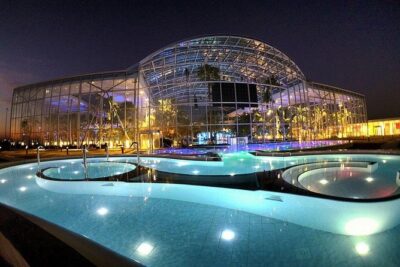
Private Transfer and 3H Tickets to Therme Bucharest
Read our review →Browse the lists this tour appears in