Reviewed · PRIVATE
Private 8 Day Romania UNESCO Tour
This is a rare kind of Romania trip because it links the UNESCO sights into a smooth route, with a private guide who helps the places click into a bigger story. You’ll move from Bucharest to Transylvania’s medieval towns, into Maramures timber churches, then down to Bucovina’s painted monasteries, before ending with Bran and Peles.
I especially like how the tour balances big-name highlights with hands-on culture. The horse-drawn wagon ride and village dinner near Sibiu, plus the time spent with craftsmen and local food stops, make it feel real, not rushed sightseeing. I also like that you get a real sense of how art and belief traveled across regions, not just what to photograph.
One thing to plan for: this is a full itinerary with lots of transfers, and entrance fees are only partly included. Even though many stops are free, you should budget for extra ticket costs, about 85 euro in total, and expect some days to be long.
Key things you’ll love about this UNESCO-focused Romania route
Private guiding all the way: you’re not sharing the day with strangers, and your guide is there to answer questions at every stop.
UNESCO theme that actually makes sense: wooden churches, painted monasteries, fortified towns, and medieval cities are grouped in a way that builds understanding.
Rural overnights, not just city hotels: you’ll spend nights in guest houses or pensions where daily life is part of the experience.
Hands-on cultural moments: wagon ride in the Sibiu area, craftsmen visits, and a jam, chutney, and syrup tasting.
Natural drama fits the UNESCO agenda: Carpathian views and Bicaz Gorges break up the cultural stops with real wow-factor outdoors.
Strong final stretch: Bran Castle and Peles Castle close out the trip with two very different kinds of Romanian royal and medieval atmosphere.
Bucharest at 9:00, then Cozia Monastery: your Romania story starts fast
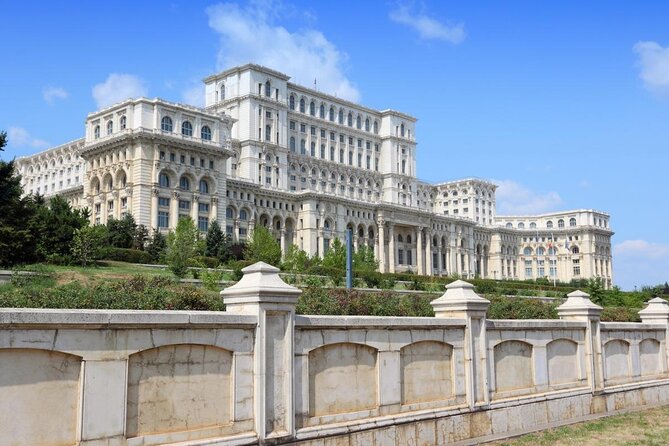
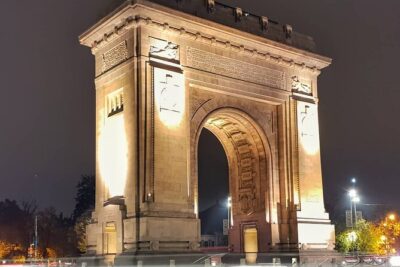
You meet your guide at 9:00 AM at your hotel in Bucharest, then the day kicks off with a panoramic sweep of the city. You’ll see major landmarks like Parliament Palace, Revolution Square, the Athenaeum, Royal Palace, Triumph Arch, and Victoriei Avenue, so you get your bearings before you ever leave the city.
After that, the trip shifts gears toward one of Romania’s older spiritual landmarks: Cozia Monastery. Built at the end of the 14th century, it’s a strong example of Romanian church architecture, and it also serves as the burial place of Mircea the Old, a key Wallachian ruler. Even when you only have around 45 minutes, it’s the kind of site that helps you understand why later regions cared so much about faith, fortification, and art.
From there the route moves into medieval Transylvania culture, with Sibiu next in line. This is the start of a pattern you’ll feel throughout the tour: medieval towns are walked on foot, churches are time-boxed so you see the highlights, and your guide ties it together with practical context so you don’t feel lost.
Other Bucharest tours to compare
- Castles of Transylvania: Private Day Trip from Bucharest
★ 4.5 · 248 reviews - Dracula’s Castle, Peles Castle and Brasov – Private Day Trip from Bucharest
★ 5.0 · 211 reviews - Best of Bucharest | Private Walking Tour
★ 5.0 · 199 reviews
Sibiu and the countryside near Sibiel: Saxons, squares, and a horse-wagon dinner
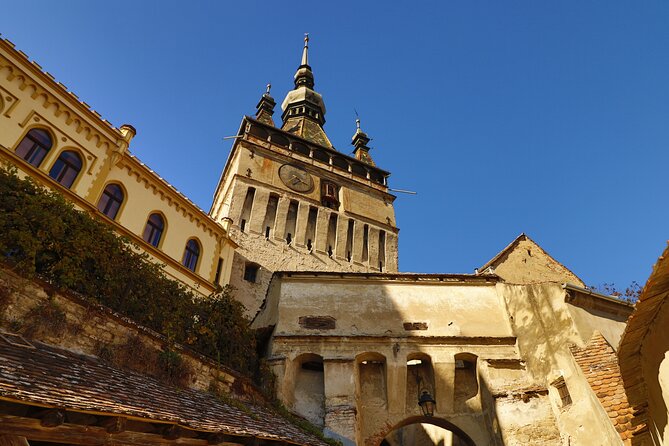
Sibiu’s Old District is where you start seeing why Transylvania has that Central European feel. Your walking tour focuses on the Big Square and Small Square, plus landmarks like the Staircase Tower, Liar’s Bridge, and the medieval wall and fortifications. You’ll also pass religious buildings from different communities, including the Romano-Catholic church and an Orthodox cathedral with interior frescoes.
Then comes the shift that I think makes this tour stand out: you drive out to Sibiel. This is rural Romania where traditions are still visibly part of daily life. You can take a horse-driven wagon tour through the old village, then enjoy a homemade dinner using traditional products. It’s not just a meal, it’s a moment. You’ll be off the main tourist routes and in a setting where time feels slower.
You sleep in a local guest house, which helps the next day feel like a continuation instead of a reset. It also makes your UNESCO days feel more human. Wooden churches and painted monasteries suddenly connect to the real people who maintained these traditions.
Corvin’s Castle and Alba Iulia: when fortresses explain power
Day 2 is all about scale and defense. You head toward Hunedoara for Corvin’s (Hunyad) Castle, described as the biggest medieval castle in Romania, dating back to the 15th century. It used to be the residence of the Transylvanian governors, and even with about an hour on site, you’ll likely get the sense of how this region was built to handle conflict.
Ticket costs for Corvin’s Castle are not included, so if you care about budgeting tightly, mark that stop as a likely extra fee.
Next you go to Alba Iulia, a city with layered history going back to ancient times. You’ll see Roman ruins, plus major religious architecture: the Orthodox Cathedral and the Catholic Cathedral. The fortification system built in the “Vauban” style is another standout, because it helps you understand how this wasn’t just a land of churches and courtyards. It was a strategic zone.
You end the day in Cluj Napoca and stay in a 4-star hotel or similar. That hotel night is a practical choice. After two days of walking and driving, having a city base is helpful before moving deeper into Maramures.
Cluj Napoca to Maramures: timber churches and craft stops with real texture
Cluj Napoca is the city break that keeps the trip from feeling like one long rural loop. Your morning walking tour hits major landmarks like St Michael’s Cathedral, Union Square, Museum Square, the Orthodox Cathedral, and the National Theatre. There’s also a statue of Matei Corvin, which gives you another thread to follow through Romania’s history.
Then the itinerary leaves Transylvania’s urban center and points north to Maramures, the region famous for wooden churches and preserved traditions. This is where your UNESCO focus gets very tangible.
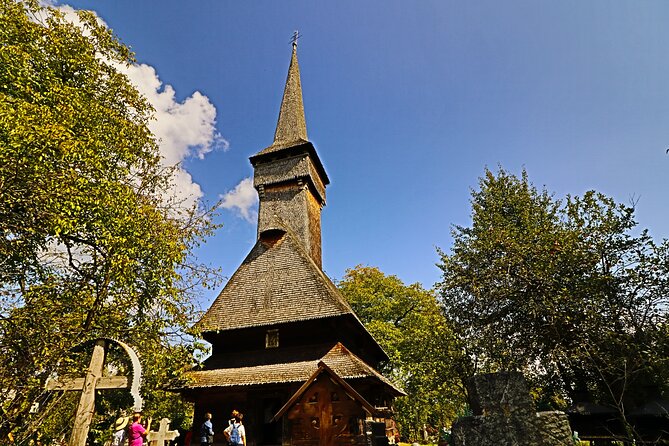
You start with Surdesti Wooden Church (UNESCO), built on a wood structure, known for its tall tower height. The stop is time-boxed to about 30 minutes, but your guide’s job is to help you notice the details that make timber architecture feel so different from stone churches.
Next comes Desesti Wooden Church (UNESCO), followed by a series of stops designed to show everyday life and local skills. You’ll visit local craftsmen and experience the kinds of work that once powered households, with mentions including a traditional weaver, a wood carver, and a water mill, plus a traditional household setup.
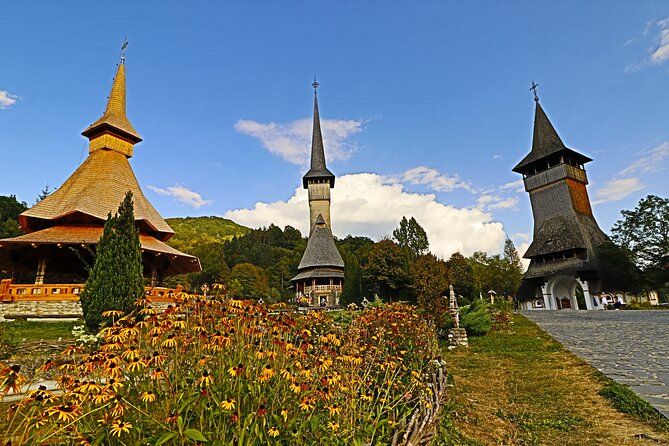
Later you visit Barsana Monastery, a classic example of monastic life and wooden buildings in Maramures. Then you end the day in Botiza, with dinner and overnight in a local pension. This is one of the tour’s most praised patterns: getting genuine countryside nights, not just day trips.
A different kind of day out:
- Bucharest: Dracula’s Castle, Peles Castle, & Brasov Old Town
★ 4.5 · 17,858 reviews - Bucharest: Dracula Castle, Peles Castle & Brasov Old Town
★ 4.6 · 10,891 reviews - Bucharest: Dracula’s Castle, Peleș Castle & Brașov Day Trip
★ 4.5 · 5,919 reviews - Bucharest: Palace of Parliament Tickets and Guide
★ 4.3 · 3,182 reviews
Sapanta’s Merry Cemetery and tall wooden towers: humor, faith, and folklore
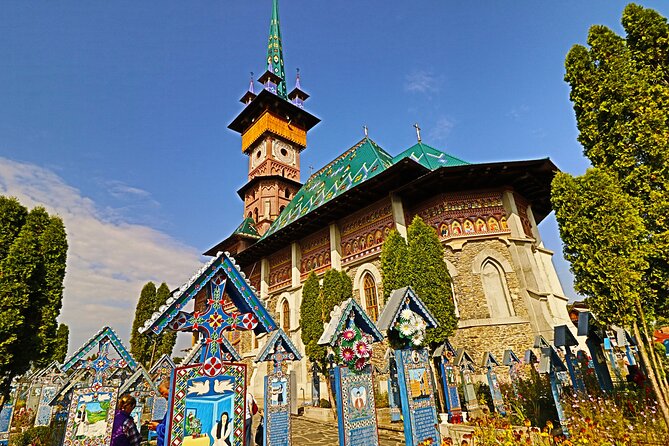
Day 4 starts with Sapanta Merry Cemetery (UNESCO). The colorful tombstones with funny poems are exactly the kind of thing that makes a UNESCO site feel alive instead of solemn and distant. This is still a cemetery, but the tone of the art gives you insight into how people in the region dealt with mortality, memory, and community storytelling.
In the same village you can see Sapanta Peri (UNESCO), which the itinerary describes as the highest wooden church in the world, with a tower around 75 meters. Even if you don’t memorize every figure, you’ll feel why this region got famous for timber architecture. It’s not small and charming, it’s big, confident, and built to endure.
You also drive through Sighet, and you have an option to stop at the Communist Prison Museum. Optional stops are good on this kind of itinerary because they keep you from paying time for something you don’t want.
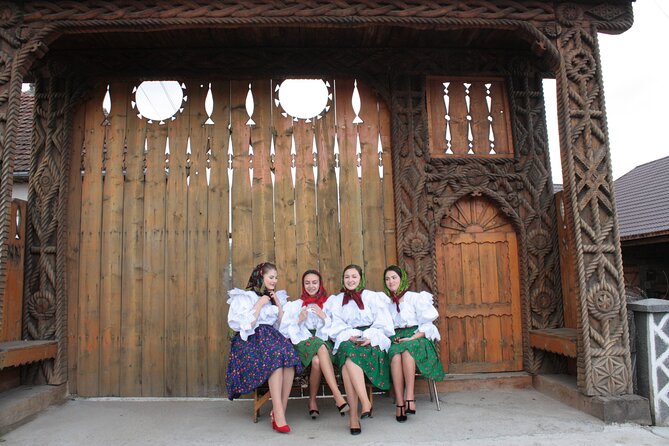
In the afternoon you visit Muzeul Tarancii Romane (the Maramures Woman Museum) in Dragomiresti. The museum is described as small but very interesting, with an emphasis on how people from Maramures used to live and the symbols carved on traditional wooden gates. You’ll have about 30 minutes there, so it’s a short but focused cultural stop.
Then comes Bogdan Voda Wooden Church (UNESCO), with attention on beautiful frescoes painted on wood. You finish the day back in Botiza with some free time to relax in the village, plus dinner and another local pension night.
Bucovina’s painted monasteries: color with context, not just photos
On Day 5 you cross the Carpathians toward Bucovina, known for its painted monasteries. The drive is part of the experience, because it sets up the pace: you’re switching from village timber culture to monastery art, and you’re doing it through dramatic mountain routes.
Your first stop in Bucovina is Ciocanesti, known for decorated houses and painted eggs traditions. There’s also an optional local museum stop if you want more detail. Even if you skip the museum, the focus here is on how folk art and ritual objects relate to the wider culture of this region.
Next you visit Moldovita Monastery (UNESCO). The itinerary highlights preserved original frescoes from the 15th and 16th century and mentions it was built under Prince Petru Rares. It’s described as fortress-like, with imposing towers and thick walls, which matters because it explains why art wasn’t only for decoration. It also helped define identity and authority.
Then you can stop at Muzeul International al Oualor Lucia Condrea, a museum dedicated to painted eggs and the techniques behind the designs. After that, you visit Sucevita Monastery, described as the most magnificent achievement among the painted monasteries in Bucovina, with towers, buttresses, and watch roads.
If you like the idea of taking art beyond church walls, you’ll appreciate the last stop of the day: Ceramica neagra Marginea, a black pottery workshop using old technology. It’s about craftsmanship, not just viewing. You’ll spend about 30 minutes there, which is enough time to understand process without turning it into a shopping stop.
Voronet, Red Lake, Bicaz Gorges, and Sighisoara at day’s end
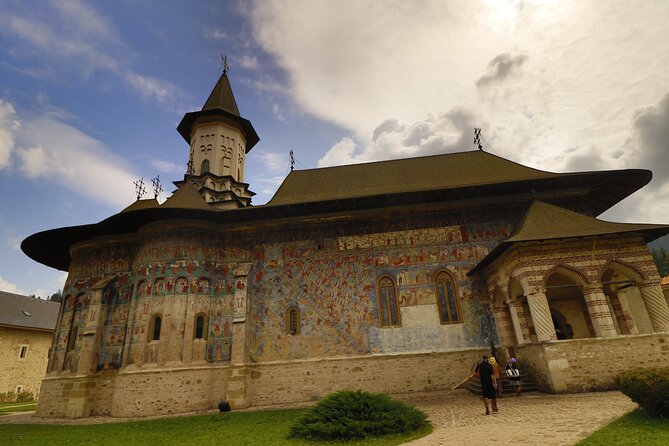
Day 6 starts with Voronet Monastery, founded in 1488 by Stephen the Great. It’s famous for its frescoes and the blue background, especially the Last Judgment. The itinerary suggests about an hour on site, which is usually enough to see the key panels and still have time to take in the overall architecture.
Then you head through the mountains back toward Transylvania, with stops that add natural drama. You’ll pass Bicaz Gorges and Red Lake, with short visits timed to about 30 minutes each. These breaks matter because they prevent the trip from becoming a constant string of church interiors.
You finish the day in Sighisoara, a UNESCO medieval town often called the Pearl of Transylvania. The practical benefit of arriving at the end of the day is that you can enjoy the atmosphere without rushing every detail.
Sighisoara and fortified churches: medieval walls you can actually walk
In the morning of Day 7 you start with Sighisoara’s historic center (UNESCO). You’ll do a walking tour and see the medieval citadel atmosphere connected to 13th-century German (Saxon) settlers. The old town is described as among the best preserved medieval towns in Europe, which is exactly the kind of phrase that matters because it translates into streets and structures you can still experience on foot.
Next you drive through villages, with a stop at Saschiz, known for natural homemade jams. There’s a tasting of jam, chutney, and syrup at a local producer shop, and you’ll have about 30 minutes. This is an easy, low-effort cultural moment that pairs well with a morning city walk.
Then comes an especially smart UNESCO pairing for this region: Prejmer fortified church (UNESCO) from the 13th century. The focus here is how defensive and religious functions overlap. You’ll have about 45 minutes, which makes sense. Fortified churches can be confusing without guidance, so you’ll want your guide explaining why these communities built defenses into sacred spaces.
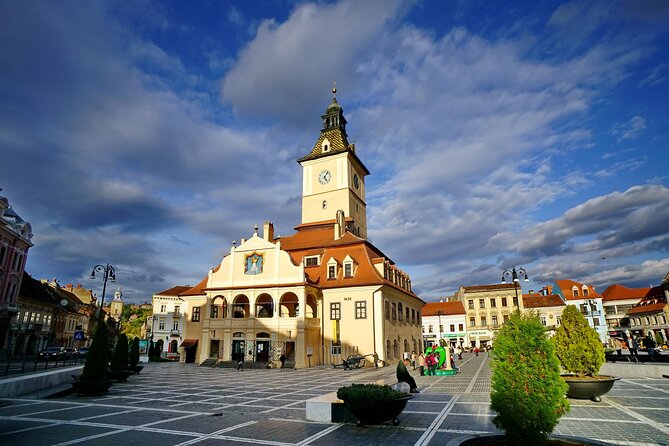
In the afternoon you move to Brasov and tour its medieval center. The highlights listed include Council Square, the Black Church, White and Black Towers, Weaver’s Bastion, and Ecaterina’s Gate. You also visit the Black Church (Biserica Neagra) and the Weavers Bastion during the walking tour timeframe. The trip ends the day with major medieval architecture, not just a quick look from a bus window.
Bran and Peles to the Bucharest finish: two different kinds of “wow”
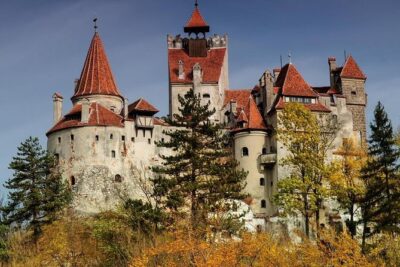
Day 8 is your closing run. You start with Bran Castle, often associated with the Dracula legend. The itinerary describes it as a 14th-century gothic castle that once controlled access to Transylvania. You get about 1 hour 30 minutes, which is about right for seeing the main rooms and getting a handle on the castle’s strategic role.
Next you head to Peles Castle in Sinaia, former summer residence of Romanian kings. It’s described as one of the nicest royal residences in Europe, and you’ll spend about 1 hour 30 minutes. Peles is a different mood from Bran. If Bran is story and control, Peles is comfort and royal display.
Then you return to Bucharest and your tour ends around 16:00. Drop-off is offered at the airport or at a hotel in Bucharest. That last-day timing is practical because it gives you a buffer for whatever travel plans you have after.
Price and tickets: what the $2,315.49 per person really buys
At $2,315.49 per person for about 8 days, this isn’t a budget trip. But it’s also not just a list of sights. The included value is heavy on the things that normally cost real money and time: 7 nights of accommodation in double or twin rooms, a private tour guide, and transport in a car or minibus.
You also get breakfast every day for 7 mornings and 3 included dinners. That matters because on long UNESCO itineraries, meals can add up and you don’t always want to spend time hunting for food. The tour also includes specific cultural stops like the horse-driven wagon tour in the Sibiu area, visits to local craftsmen, and a jam, chutney, and syrup tasting.
What’s not included is also clearly set. Entrance tickets are “about 85 euro” based on the itinerary, plus tips and other meals. Some stops are listed as free, so your actual ticket spending may land close to that estimate, but you should still treat ticket costs as an extra line item.
A good way to think about this price: you’re paying for private guiding, reliable transport, and the logistics that stitch together Maramures, Bucovina, and Saxon towns. If you tried to assemble that on your own, you would spend a lot of time arranging cars, stays, and timed visits across multiple regions.
Pace, comfort, and how to pack for wooden churches and castle steps
This trip moves often, with days that include both town walking and countryside driving. You’ll be doing a lot of “short but meaningful” sightseeing stops, many around 15 to 60 minutes each, plus a few longer segments in major walking areas like Sighisoara and Brasov.
That means comfort matters:
- Wear shoes that handle cobblestones and uneven church steps.
- Expect indoor church visits where you’ll be standing and looking up at frescoes.
- Bring a light layer, since churches and monasteries can feel cooler than the road outside.
The route also mixes private time in rural villages with nights in guest houses or pensions, so you’re not just chasing hotel comfort. If you want a Romania trip that feels like you’re part of real local life, that’s built into the design.
Who should book this UNESCO Romania tour, and who should skip it
This tour is a strong match if you want:
- A private guide who can connect sites into a story you actually understand.
- UNESCO highlights that cover multiple themes: wooden churches, painted monasteries, fortified towns and churches.
- Real countryside time, including rural overnights in places like the Sibiel area and Botiza.
You might want a different option if you:
- Hate long driving days or prefer a slower region-by-region travel pace.
- Want only famous landmarks and would rather skip the folk craft and museum-style stops.
Should you book the Private 8 Day Romania UNESCO Tour?
Yes, if you want a well-paced route that turns UNESCO sites into something more than checkboxes. The biggest selling points for me are the private guiding, the balanced mix of major monuments and small cultural moments, and the way the itinerary gives you both city history and rural life in the same trip.
If your priority is simply saving money and you’re happy planning transport and stays yourself, then skip it. But if you want someone to handle the stitching across regions, and you like the idea of seeing wooden churches and painted monasteries with context, this is a smart way to do Romania in eight days.
FAQ
Where does the tour start and end?
The tour starts in Bucharest, with pickup offered at your hotel, and it ends back in Bucharest. On the final day, the drop-off is offered at the airport or at a hotel in Bucharest.
What time does the tour begin?
The meeting time is 9:00 AM in Bucharest.
Is this a private tour?
Yes. It is a private tour/activity, so only your group participates.
How long is the tour?
It’s listed as 8 days (approximately).
What’s included in the price?
Included items are 7 nights in double or twin rooms, a private tour guide, transport by car or minibus, breakfast for 7 days, 3 dinners, a horse-driven wagon tour in the Sibiu area, visits to local craftsmen, and a jam, chutney, and syrup tasting.
Are entrance tickets included?
Entrance tickets are not included as per the itinerary, with an overall estimate of about 85 euro. Some stops are listed as free, but others have ticket costs.
What kind of transportation will I use?
You’ll travel with your guide in a car or minibus.
Which UNESCO sites are included in the itinerary?
The itinerary explicitly lists UNESCO stops such as Cozia Monastery, Surdesti Wooden Church, Desesti Wooden Church, Sapanta Merry Cemetery, Sapanta-Peri Monastery, Bogdan Voda Wooden Church, Moldovita Monastery, Sucevita Monastery, Voronet Monastery, Sighisoara, and Peasant Fortified Church at Prejmer.
What is the cancellation policy for a full refund?
You can cancel up to 3 days in advance of the experience for a full refund. Cut-off times are based on the local time of the experience.
Recently added around Bucharest
- Bucharest: Dealu Mare Winery Private Trip with Wine Tasting★ 4.9 · 6 reviews
- Winery touring & private wine tasting – one day private tour★ 5.0 · 3 reviews
- Traditions in Bucharest: Village Museum and Wine Tasting★ 5.0 · 8 reviews
- Village Museum Bucharest Guided Tour★ 5.0 · 6 reviews
- Your rendez-vous with Europe’s past: time-travel to Maramures, Transylvania★ 5.0 · 6 reviews
- Private Wine Tasting at Bucharest’s First Wine Bar★ 5.0 · 3 reviews
- Walking Tour of Bucharest City Center – Private Tour★ 5.0 · 4 reviews
- Wine tasting in Bucharest Old town – bonus cheese platter★ 4.5 · 6 reviews
Private, compared.

Castles of Transylvania: Private Day Trip from Bucharest
Read our review →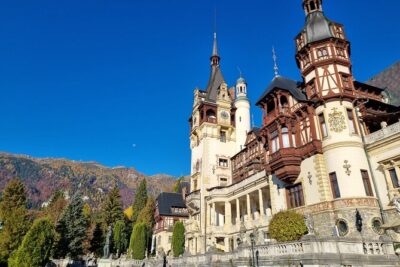
Dracula’s Castle, Peles Castle and Brasov – Private Day Trip from Bucharest
Read our review →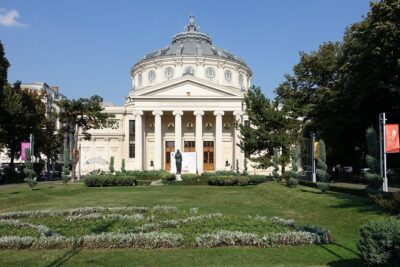
Bucharest Panoramic Sightseeing – Private City Tour
Read our review →
THERME “Take It Easy” Pack: Full Spa Access + Private Transfers
Read our review →
4h Bucharest Private Tour (2h by Car and 2h Walking in Old Town)
Read our review →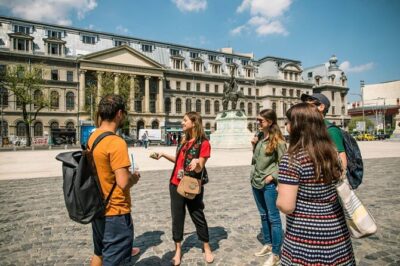
Discover Bucharest: Private Highlights and Traditional Food Tour
Read our review →