Reviewed · BUCHAREST
Best of Romania in 10 Days
This 10-day Romania route is interesting because it makes a short trip feel like a full-country introduction, moving in a logical arc from Bucharest into Wallachia, then Bucovina, and finally Transylvania. I like that it’s run with a maximum group size of eight, so days feel organized instead of chaotic. You also get a guide who can actually keep the whole group together.
Two things I like a lot: you get nine nights of included accommodation in centrally located hotels, and the trip is built around transportation that keeps logistics easy. I also like that entrance fees are rolled into the plan, so you can spend your attention on places, not tickets.
One consideration: this is a road-trip style itinerary, with long driving days mixed in with short sightseeing bursts. If you prefer slow travel with lots of downtime, you might find it a bit intense, so bring a reasonable expectation for moderate walking and nonstop motion.
Key highlights to know before you go
- Max 8 travelers for a smoother pace and more guide attention
- 9 included nights in centrally located hotels to cut down daily hassle
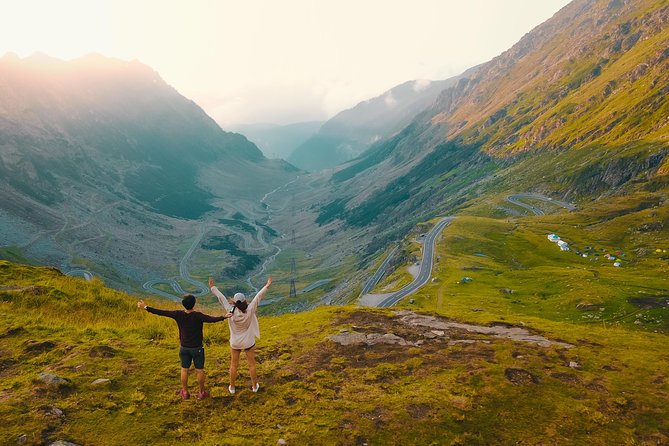
- Transfăgărășan Highway for big mountain-road views and standout photo stops
- UNESCO Painted Monasteries in Bucovina, with the iconic Blue of Voroneț
- Fortified churches and Saxon villages across Transylvania, not just one castle visit
- Built-in Bucharest day with the Palace of the Parliament and the Village Museum
The real value: seeing a lot of Romania without turning your trip into chores
This tour is built for one main goal: make your limited vacation time count. You’re not just landing in a few hot spots and calling it a day. Instead, you travel through multiple historic regions in one continuous loop, with structured stops that cover royal legends, fortified churches, dramatic roads, and both big-city Romania and small-town Romania.
The practical advantage shows up quickly. You’re in a modern vehicle with airport transfers handled, and you’re not spending your energy figuring out connections between far-flung regions. That matters most in Romania because distances add up fast, especially once you start getting off the main routes. The itinerary also includes entrance fees and a set number of breakfasts, which means fewer decisions each day.
At the same time, this is not a laid-back itinerary. It’s a “see the big stuff, then enjoy what you can” style. You’ll be moving often, and many days are split into a sequence of stops rather than one long, unbroken sightseeing block. If you can handle that rhythm, the payoff is huge.
Other tours around Bucharest:
- Bucharest: Dracula’s Castle, Peles Castle, & Brasov Old Town
★ 4.5 · 17,858 reviews - Bucharest: Dracula Castle, Peles Castle & Brasov Old Town
★ 4.6 · 10,891 reviews - Bucharest: Dracula’s Castle, Peleș Castle & Brașov Day Trip
★ 4.5 · 5,919 reviews
Small group size, and why it changes the feel of the trip
When a tour caps at eight people, it changes how the day runs. In a small group, stops feel less like herding and more like a plan you can actually follow. You’ll also get more space to ask questions and more chances to connect with your guide’s explanations.
One detail that stands out in the way this tour is experienced: the guide quality can make a real difference. A past guest specifically praised guide Emil for history, local traditions, jokes, and even driving skill. That combination is what you want on a route like this, because the best Romania trips don’t just list sights. They help you understand what you’re looking at while you’re standing there.
Also, English is handled by a professional guide, and the tour runs with pickups from your hotel in Bucharest. That removes the stress of starting the trip, which is often where people lose time and energy.
Day 1: Curtea de Argeș, Transfăgărășan, and Sibiu’s medieval heart
Day 1 starts with a road trip from Bucharest to Curtea de Argeș, known as a historical capital of Wallachia. The big opener is Curtea de Argeș Monastery, built between 1512 and 1517. It’s famous for the legend of Manole, a myth tied to the idea that lasting creation takes sacrifice. Even if you don’t know the story, you’ll feel how deeply it’s embedded in local culture because the site is treated like more than a building. It’s a symbol.
Next comes the star visual payoff for many people: the Transfăgărășan Highway through the Southern Carpathians. The route crosses some of Romania’s tallest mountains, reaching about 2,042 meters. This isn’t a museum stop. It’s a chance to slow down at safe photo points and take in the scale of the mountains and the road itself. If you’re the type who cares about road trips and scenery, this is the kind of moment you’ll remember later.
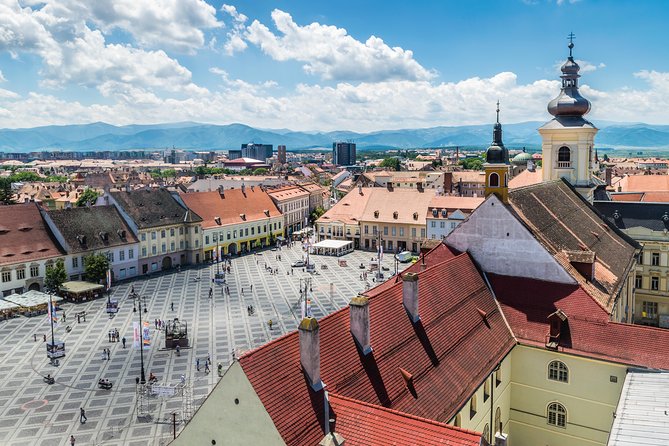
Then you arrive in Sibiu for a walking tour through the historic center, including Piata Mare (Big Square). Sibiu’s old town layout gives you instant “Romania is different here” energy, and it’s easy to enjoy even with a shorter walk. After that, you check in for the night, which is key because you start early enough for real progress without needing to organize everything yourself.
Day 2: Corvin Castle, Alba Iulia, Turda Salt Mine, and Cluj walking streets
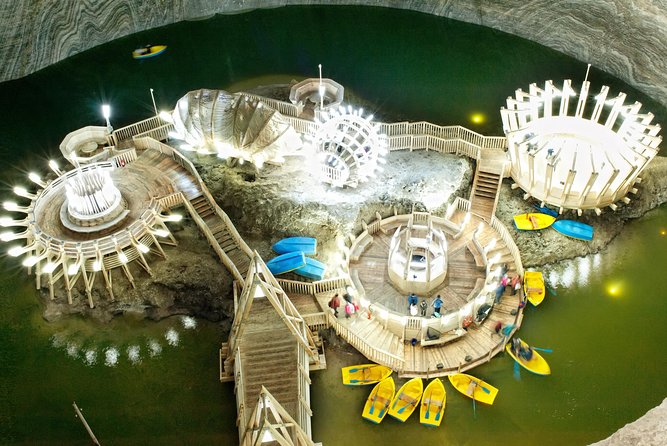
Day 2 is a packed day, but it works because each stop has its own flavor.
You begin in Hunedoara with Castelul Corvinilor (also tied to the Hunyad name). It’s one of Romania’s largest castles, and it has a particular charm that comes from both scale and setting. Castles in Romania often feel more grounded than “storybook,” and Corvin Castle lands in that category.
Then you head to Alba Iulia, tied to the Union of Transylvania with Romania. The main visit is Alba Carolina Fortress, built in the Vauban architectural style between 1715 and 1738 by more than 20,000 Romanian peasants. That detail matters because it reframes the site: it’s not just a fortress, it’s a huge human project.
After fortress walls, you get a totally different experience underground: Salina Turda. This is a salt mine with multiple underground levels, plus a theme park area with features like a Ferris wheel, mini-golf, a lake, and sports options. It’s the kind of stop that breaks up long travel days, because you get something fun and unusual without needing extra planning.
Finally, you reach Cluj-Napoca, the largest city in Transylvania and a major student center. The tour includes a walk in the old city center, with free time afterwards so you can try local cafés and bohemian-style restaurants near your hotel. That free window is one of the small but smart choices on the itinerary. It keeps you from feeling like every hour is scheduled.
A different kind of day out:
- Bucharest: Palace of Parliament Tickets and Guide
★ 4.3 · 3,182 reviews - Bucharest: Day Trip to Dracula Castle, Peles Castle & Brașov
★ 4.4 · 3,049 reviews - Bucharest to Dracula Castle, Peles Castle and Brasov Guided Tour
★ 4.5 · 2,933 reviews - Bucharest: Palace of Parliament Tickets and Guided Tour
★ 4.4 · 1,877 reviews
Days 3-4: Bucovina’s painted monasteries in Voroneț, Moldovița, and Sucevița
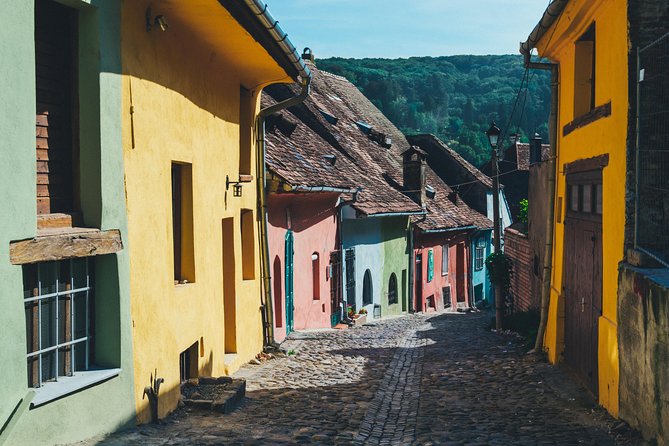
If you want Romania at its most visually distinctive, these days are the reason to book.
You start Day 3 with a stop in Bistrița, with a quick context stop connected to Bram Stoker’s Dracula story, plus a short sightseeing moment and local bakery tasting. It’s not a heavy literary tour, but it sets the mood for what comes next.
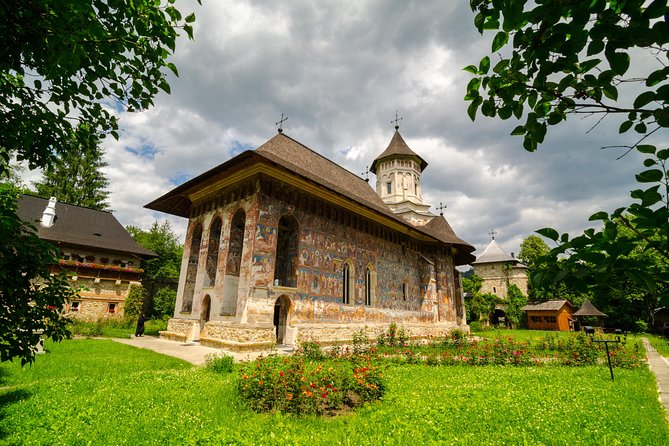
Then you drive into Bucovina, the region where the UNESCO Painted Monasteries are a signature. The first big visit is Voroneț Monastery, built in 1488 and famous for its unique blue, often called the Blue of Voroneț. This is the type of stop where you’ll want to slow down. Painted detail can’t be rushed, and the site rewards time even if your visit is set within a schedule.
That evening, dinner is included, which matters because these are long travel stretches. You don’t want to end the day hunting for food when you’re tired.
On Day 4, you continue with more UNESCO stops: Moldovița Monastery and Sucevița Monastery. Moldovița is known as one of the oldest monastic settlements in the area, built between 1532 and 1537 and included in the UNESCO World Heritage Centre in 1993. Sucevița, built in 1585, is also known for legends around its construction methods. The legends may be symbolic, but the point is real: the monasteries here aren’t just pretty. They carry stories people still tell.
You then reach Iași for an evening city center visit and hotel check-in. Iași is the birthplace of many Romanian personalities, and even a short walk gives you a different city atmosphere than the fortified-region stops you’ve had earlier.
Day 5: Neamț Fortress and cable car views at Piatra Neamț
Day 5 leans into dramatic terrain and fortress-era Romania.
From Iași, you go to Târgu Neamț for a tour of Neamț Citadel. It was built during the reign of Peter I (1375 to 1391). This kind of site is valuable on tours because it adds texture. You’re not only seeing castles and churches with famous names, you’re also seeing the defensive architecture that helped shape how regions operated.
Then you head to Piatra Neamț, where the standout included activity is a cable car ride before checking in. Even when the day schedule is tight, a cable car helps you see the region from above. You get a quick shift in perspective, which makes the whole day feel more varied, and it breaks the pattern of only walking through sites.
Day 6: Bicaz Gorges, Red Lake, Corund pottery, and fortified church stops
Day 6 starts with travel through Bicaz Gorges, one of those places that feels instantly cinematic from the road. After that scenic stretch, you reach Red Lake. The water’s unusual color is tied to an event from 1837, when storms fractured Mt. Ucigasu and debris blocked streams, leaving reddish deposits. The story gives the stop meaning beyond the color.
Next is Corund, a major pottery center in Transylvania. This stop is about craftsmanship rather than monuments. You’ll learn how local livelihoods connect to resources, including the clay used for pottery coming from nearby streams. If you enjoy regional trades and want a more everyday side of Transylvania, this is a good moment.
Then you hit Biertan Fortified Church, part of the famous UNESCO villages with fortified churches in Transylvania. Saxon colonists settled here beginning in the 13th century, and the fertile region helped enable winemaking. You’re seeing how settlement, agriculture, and defense all blended into one place.
Finally, you reach Sighișoara, described as the last inhabited citadel in Europe. The town was built by Saxon colonists in the 12th century and is UNESCO-listed, which makes sense once you see how intact the old-citadel character feels. This end-of-day stop is perfect because Sighișoara’s vibe is easy to enjoy even if you don’t have all day.
Days 7-8: Viscri and Brasov, then Bran and Peles with a Dracula connection
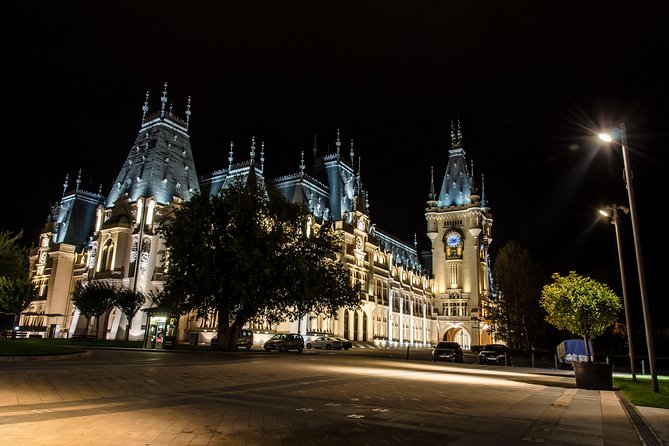
This is where the tour balances “iconic Romania” with places that feel lived-in.
On Day 7, you go to Viscri Fortified Church. Viscri is a village known for preserved traditions, including its culinary reputation. You’ll visit the charming Viscri Church before moving on.
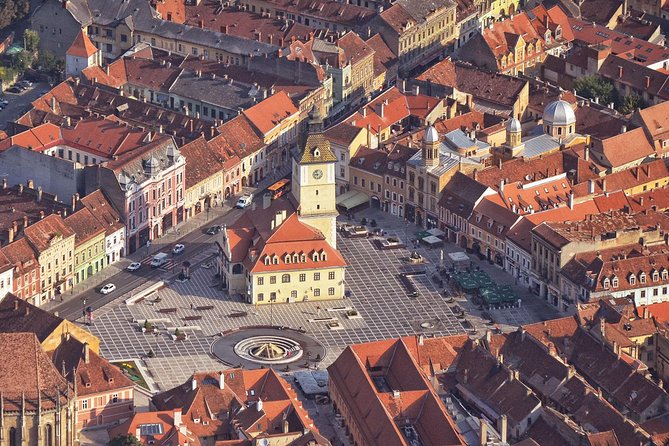
Then you reach Brașov for a short walking tour. Brașov often serves as a sweet spot in Romania trips because it’s big enough for atmosphere but still close to the regions people actually picture when they think of Transylvania.
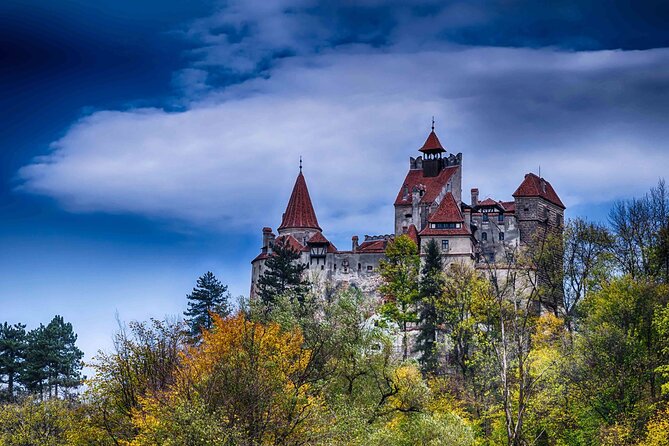
Day 8 starts near Brașov with Bran Castle, often linked with Dracula. The tour frames it through the connection between Vlad the Impaler, Vlad Țepeș, and Bram Stoker’s Dracula. Even if you’ve heard the legend many times, a castle visit still helps you connect the story to geography.
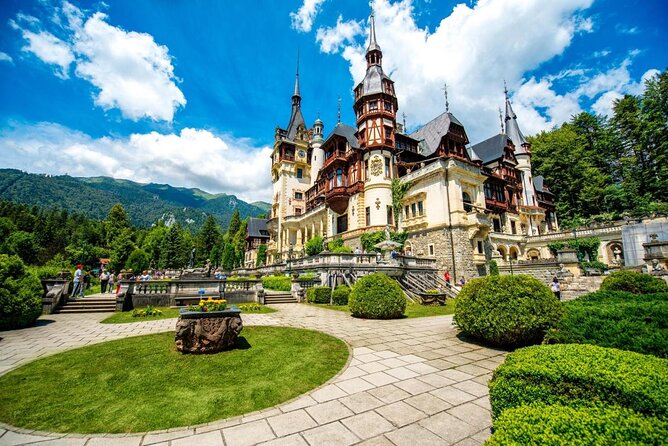
Next is Peleș Castle in Sinaia, described as the first fully electrified castle in Europe. It’s known for a collection of paintings and extensive weaponry holdings, and it has the scale to feel like a real “royal day out” rather than just a stop for photos. This is one of those contrasts that makes the whole trip feel well paced: fortified church to “Dracula-adjacent” castle to an elegant palace.
At night, you return to Bucharest and get your base again.
Day 9: Bucharest’s Parliament, Old Town freedom, and the Village Museum
Day 9 is your Bucharest deep dive, with time allocated so it doesn’t feel like nonstop sightseeing.
First is the Palace of the Parliament, also known as the People’s House. It’s described as the second-largest building in the world. It was part of Nicolae Ceaușescu’s communist-era project designed to house state organs, and it was built with earthquake and nuclear attack safety in mind. Even if you dislike heavy politics, this building is a strong way to understand Romania’s modern history and ambitions.
After the palace tour, you head into Bucharest’s Old Town for free time for lunch. That free time is useful because it lets you eat based on your own taste and energy level instead of forcing everyone into one option.
Then you visit the Bucharest Village Museum. It opened in 1936 and covers 14 hectares, with 380 monuments and an enormous inventory of traditional objects and archived documents. This is a strong closing stop because it shifts from political architecture to everyday Romania. It helps you make sense of the cultural life behind the stories.
Day 10: Airport transfer and how to keep your last morning smooth
Day 10 is straightforward: transfer to the airport based on your flight schedule. Since this tour ends in Bucharest, I recommend you keep any private plans flexible in the final hours. Long road-trip days can make your sense of time slippery, and you’ll appreciate having a clean end.
Price and logistics: whether $2,907.69 per person makes sense for you
The tour price is $2,907.69 per person, based on two people sharing a double room. If you want a single room, a single supplement applies.
So where is the value? You’re paying for a structured route that includes:
- 9 nights of centrally located hotels
- Professional English-speaking guiding
- Modern vehicle transportation
- Airport pickup and drop-off
- Entrance fees
- Breakfasts (9) and dinner on the itinerary days
When you add up those items separately, this kind of price often becomes easier to justify, especially because the itinerary crosses regions that are time-consuming to piece together on your own. Also, the maximum group size helps you avoid the “big tour” feeling, which is a real quality-of-experience factor, not just a number.
The tradeoff is you are buying convenience and structure, not total freedom. If you want to spend extra time in one place and cut another, this tour is less suited. But if you want a guided sampler that still hits major UNESCO and iconic Romania sites, the value is strong.
One more practical note: the average booking time is about 50 days in advance. If you know your dates, you’ll usually do better by booking earlier rather than waiting.
Who should book this best-of Romania route
This tour is a great match if you:
- Want to see multiple regions in one trip, including Bucovina and Transylvania, not just Bucharest and a castle day
- Prefer a small group and guided context over self-planning
- Like road-trip scenery plus a mix of city walking and heritage sites
- Appreciate that hotels, breakfasts, dinner, and entrance fees are already handled
It may not be the best fit if you:
- Want lots of free time and slow pacing
- Struggle with frequent travel days and moderate walking
- Are hoping to customize the order of stops day by day
Should you book Best of Romania in 10 Days?
I’d book it if your goal is simple: make one trip that introduces you to Romania across regions, with major sights handled well and without you spending your vacation managing logistics. The best part is the balance. You get UNESCO painted monasteries, fortified churches, big road views like Transfăgărășan, a fun break in Turda Salt Mine, and a strong wrap-up in Bucharest with the Palace of the Parliament and the Village Museum.
The only reason I’d hesitate is if you know you hate packed itineraries. This is efficient travel, not a slow wandering route. If that sounds like your style, this is a smart way to do Romania in 10 days.
FAQ
What time does the tour start, and where do I meet the group?
The tour starts at 9:00 am. Pickup is from any hotel in Bucharest.
How long is the tour?
The tour is listed as 10 days (approx.).
How big is the group?
The tour has a maximum of 8 travelers.
What is included in the price?
Included items are professional English-speaking guide, accommodation for 9 nights in centrally located hotels, modern vehicle transportation, airport pickup and drop-off, entrance fees, breakfast (9), and dinner.
Are there meals included besides breakfast and dinner?
Only the meals mentioned in the itinerary are included. Other meals are not included.
Do I need to pay for a single room?
The price is per person based on two people sharing a double room. If you want a single room, you must pay a single supplement fee.
How do I get my tickets?
The tour includes a mobile ticket.
Can I cancel for a full refund?
Yes. You can cancel up to 24 hours in advance for a full refund, as long as you cancel at least 24 hours before the experience’s start time.
Is travel insurance included?
No, travel insurance is not included.
Recently added around Bucharest
- Bucharest: Dealu Mare Winery Private Trip with Wine Tasting★ 4.9 · 6 reviews
- Winery touring & private wine tasting – one day private tour★ 5.0 · 3 reviews
- Traditions in Bucharest: Village Museum and Wine Tasting★ 5.0 · 8 reviews
- Village Museum Bucharest Guided Tour★ 5.0 · 6 reviews
- Your rendez-vous with Europe’s past: time-travel to Maramures, Transylvania★ 5.0 · 6 reviews
- Walking Tour of Bucharest City Center – Private Tour★ 5.0 · 4 reviews
- Wine tasting in Bucharest Old town – bonus cheese platter★ 4.5 · 6 reviews
- Private Wine Tasting at Bucharest’s First Wine Bar★ 5.0 · 3 reviews