Reviewed · BUCHAREST WALKING TOURS
Bucharest: Hidden Gems 2.5-Hour Walking Tour
Bucharest has a way of mixing time periods in one block, and this 3-hour walk is a smart way to see how the city layers old neighborhoods over newer streets. You start in a historic area, then move through faith, folklore, and literature, finishing with views of distinctive architecture.
What I really like here is the mix of stops, from an 18th-century stone church in Batistei to Casa Melik, the city’s oldest home with stories that feel more like a novel than a house tour. I also love that the tour includes one very practical taste of daily life, a covrig snack, so you are not just sightseeing with empty hands.
One consideration: this is a walking tour, and the route goes through old streets and outdoor neighborhoods. If you are sensitive to sun or fatigue, come prepared with comfortable shoes and a hat.
Key highlights you should care about
- Batistei neighborhood walk with an 18th-century church that is officially recognized as a historic monument
- Armenian church visit with a fascinating connection to a cathedral in Ecmiazin
- Casa Melik stop focused on a traditional Wallachian peasant house, plus art and tunnel legends
- Covrig included so you taste a classic Romanian street snack during the walk
- Mantuleasa Street and Mircea Eliade through the sights of a writer and philosopher’s favorite area
- Ioanid block and Icoanei mahalla to wrap up your Bucharest orientation with striking architecture
Starting on the National Theatre stairs (and why that matters)
Your tour begins on the stairs of the National Theater, right in front of the main entrance. This is a good meet point because it is easy to find, and you start with the city’s “center of gravity” feeling, then slowly peel outward into neighborhoods that show different sides of Bucharest.
The group stays small, up to 12 people, which makes a difference for a walking tour. You can actually ask follow-up questions without the tour turning into a loud, rushed line.
Expect a 3-hour pace that is meant for strolling, not sprinting. Still, you are outside most of the time, so plan for sun. In summer, the head covering advice is not a suggestion you will ignore. Bring something to cover your head, sunscreen, and wear comfortable shoes. If you like having water, plan to carry it yourself since only the covrig snack is included.
More walking tours in Bucharest:
- Bucharest: City Highlights Guided Walking Tour
★ 4.9 · 1,482 reviews - Bucharest Highlights Walking Tour
★ 5.0 · 469 reviews - Bucharest: Ghost Stories & Romanian Mythology Walking Tour
★ 4.9 · 287 reviews
Batistei and its 18th-century stone church
The first neighborhood stop is Batistei, one of the city’s well-known mahalas. Mahalabased neighborhoods grew around religious buildings, and they were shaped by the communities living nearby. In Bucharest, that pattern got scrambled by modernization, earthquakes, wars, and Ceausescu-era demolitions, but Batistei still has a distinct feel you can walk through on foot.
The centerpiece here is an 18th-century stone church. It is not just pretty for photos. It is listed as a historic monument by Romania’s Ministry of Culture and Religious Affairs, so your guide can frame what you are seeing in a bigger story about heritage and survival.
As you move through the area, the goal is to help you understand how people lived before the Communist regime reshaped the city. Even if you know the headlines already, you will get the everyday version, the “what would it feel like to live here” angle. That is where a good guide earns their fee.
The Armenian neighborhood and a church built as a replica
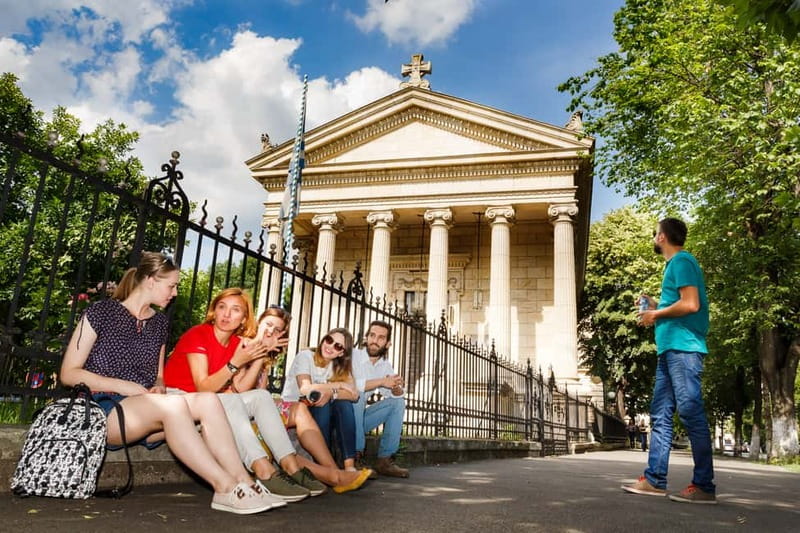
Next you head toward the Armenian neighborhood, where the tour focuses on an Orthodox church built in the early 20th century for the city’s Armenian population. The detail that makes this stop memorable is the claim that the church is an exact replica of a cathedral in Ecmiazin.
This is the kind of detail that makes Bucharest feel global. You are not just seeing local history. You are seeing how communities carried identity across borders and tried to build something recognizable in a new city.
The church setting also adds contrast to the earlier stop. It is one thing to admire architecture, but it is another thing to see how religious buildings carried cultural meaning for specific groups. If you like having the “why” next to the “what,” this portion of the tour tends to land well.
Casa Melik: Bucharest’s oldest home and its secret stories
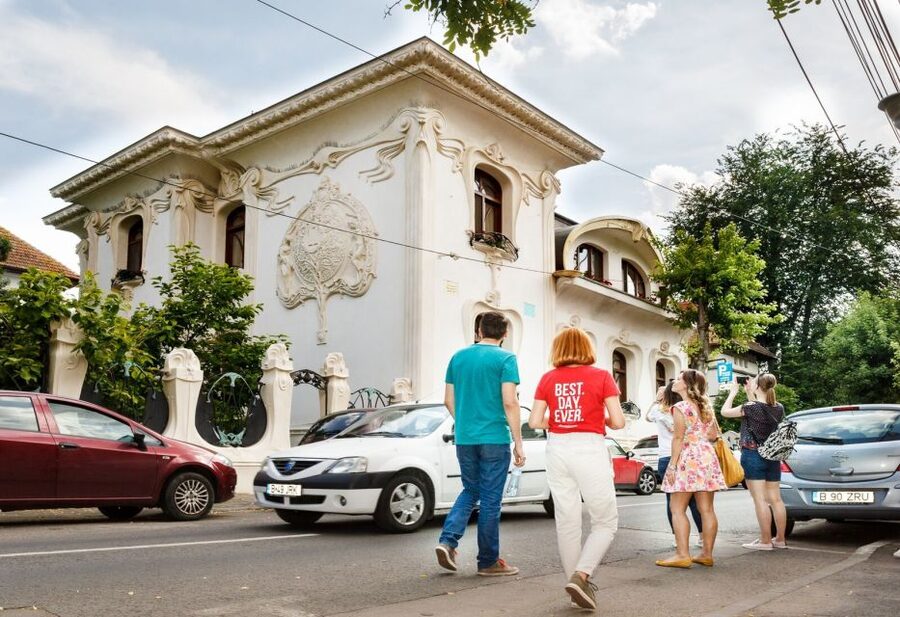
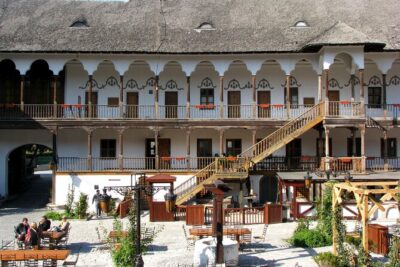
Then comes one of the tour’s strongest anchors: the visit to the city’s oldest home, Casa Melik. This is not described as a museum-style showpiece. It is presented as a traditional Wallachian peasant house, with features you can visualize right away, like the high cellar and a glass-covered veranda.
What makes Casa Melik more than a quick look is the range of stories attached to it. The house is said to hide a mass of secrets, including a striking art collection. The legend gets even more dramatic: a series of underground tunnels is said to connect the house with local masonic lodges.
Now, take legends for what they are. You should not treat the tunnel story like a documented map you can follow afterward. But it is still useful, because it tells you what people wanted to believe about safety, access, and power in old Bucharest. The guide turns that into context you can carry with you while you explore on your own later.
A different kind of day out:
- Bucharest: Dracula’s Castle, Peles Castle, & Brasov Old Town
★ 4.5 · 17,858 reviews - Bucharest: Dracula Castle, Peles Castle & Brasov Old Town
★ 4.6 · 10,891 reviews - Bucharest: Dracula’s Castle, Peleș Castle & Brașov Day Trip
★ 4.5 · 5,919 reviews - Bucharest: Palace of Parliament Tickets and Guide
★ 4.3 · 3,182 reviews
Covrig street snack, and why this matters for real travel
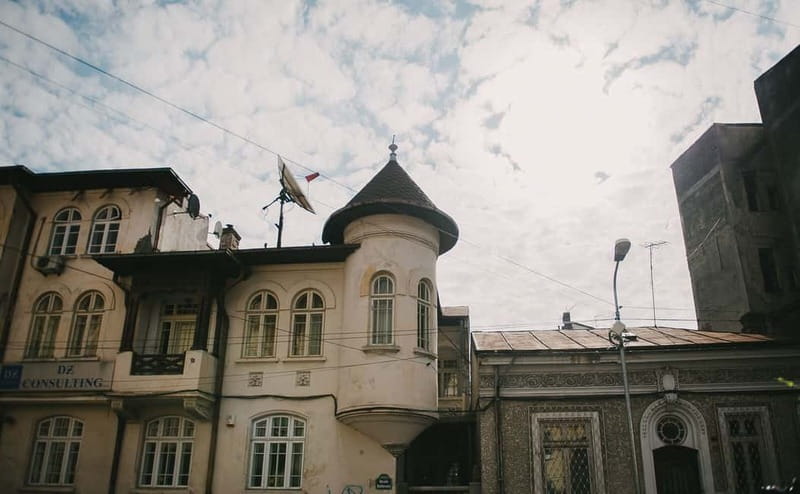
You get a covrig snack stop before moving into the next neighborhood. This is included, so you do not have to spend extra money for your mid-walk taste test.
Covrig is a salty snack similar to a pretzel, and the guide shares a historical angle: it was once thought that Greek merchants introduced covrig in the 19th century to encourage more wine consumption. But the similarity to German pretzels suggests Romanians may have been eating something like this long before that.
I like this kind of food context because it helps you move past “treat” and into “culture.” When you taste covrig, you are tasting a small piece of how different European influences overlapped in everyday street life.
If you are a slow eater, plan a few extra minutes here. The tour is timed for a comfortable stroll, but food still takes time.
Mantuleasa Street, Mircea Eliade, and a walk through styles
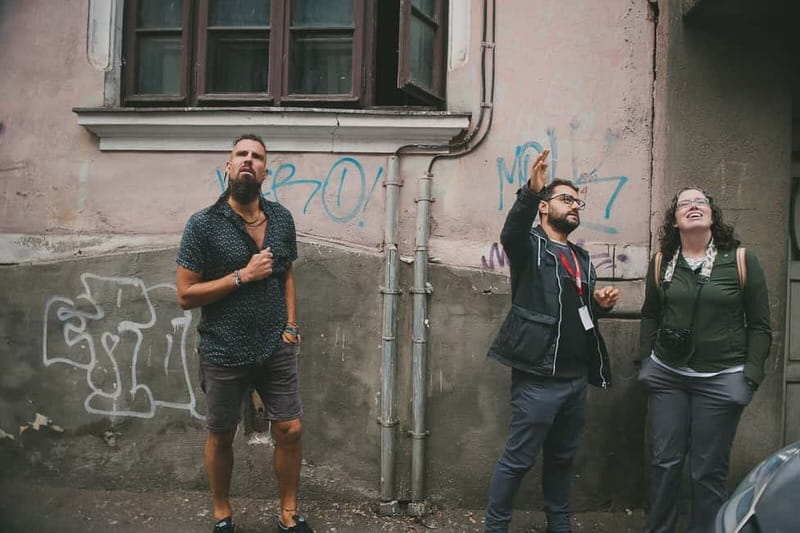
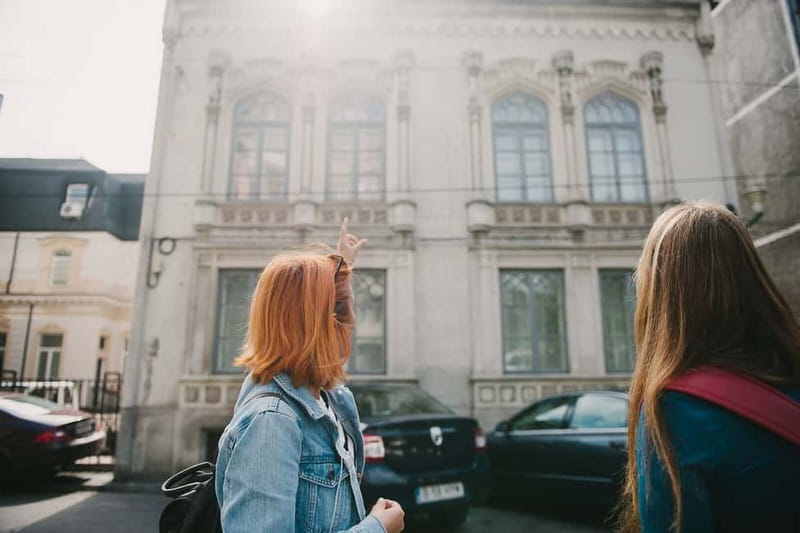
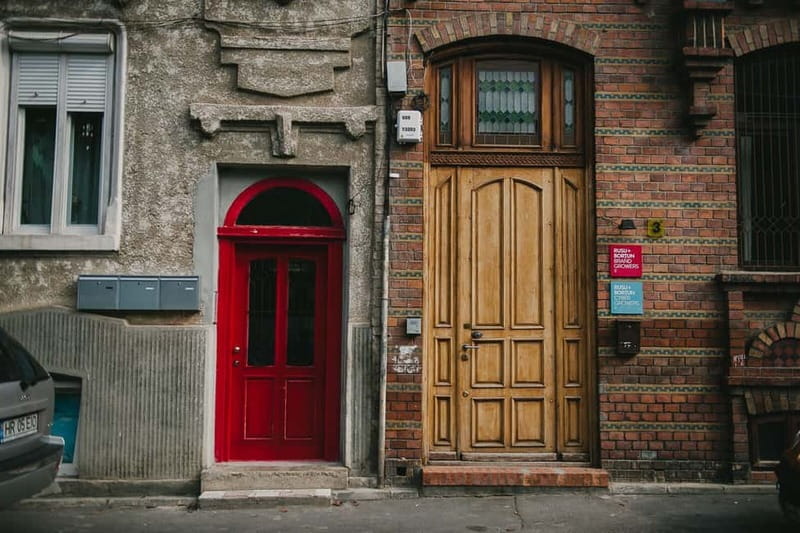
After the snack, you head to Mantuleasa Street, described as one of Bucharest’s prettiest areas. This was originally a mahala for rich merchants, and the architecture reflects that. Expect a mix of neoclassical, Romanian, and modernist styles in the same area, which is exactly the kind of visual contradiction that makes Bucharest fun to learn.
This is also Mircea Eliade’s favorite part of the city, and the tour uses the street to connect you to his life and work. Eliade was a professor at the University of Chicago until his death in 1986, and your guide connects the intellectual side of Romania to the physical streets where inspiration is easy to imagine.
A walking tour works best when it links geography to people, and this segment does that. You are not memorizing facts in a classroom. You are connecting his footprint to the neighborhood texture: the building forms, the street character, and how the area feels when you slow down enough to notice details.
Ioanid block and Icoanei mahalla, finishing with strong visuals
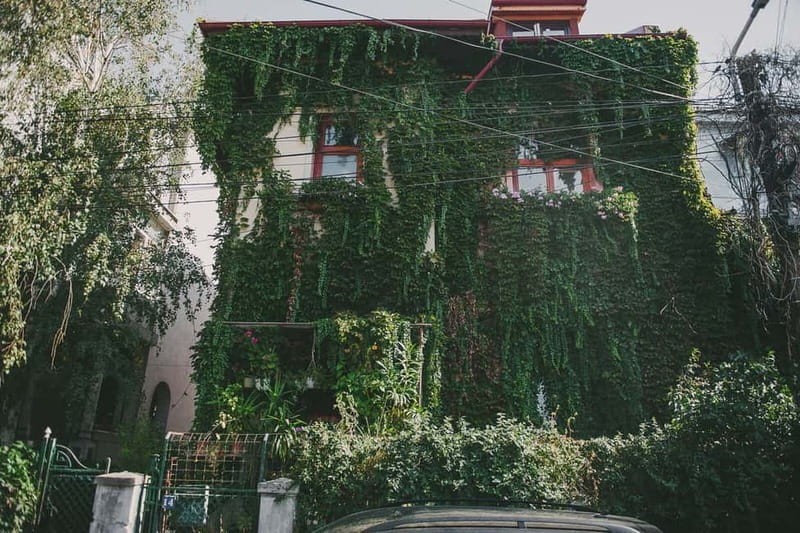
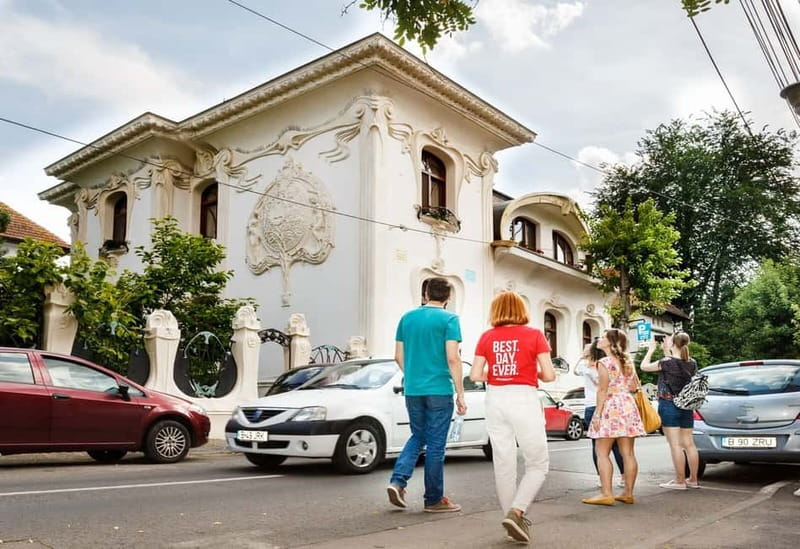
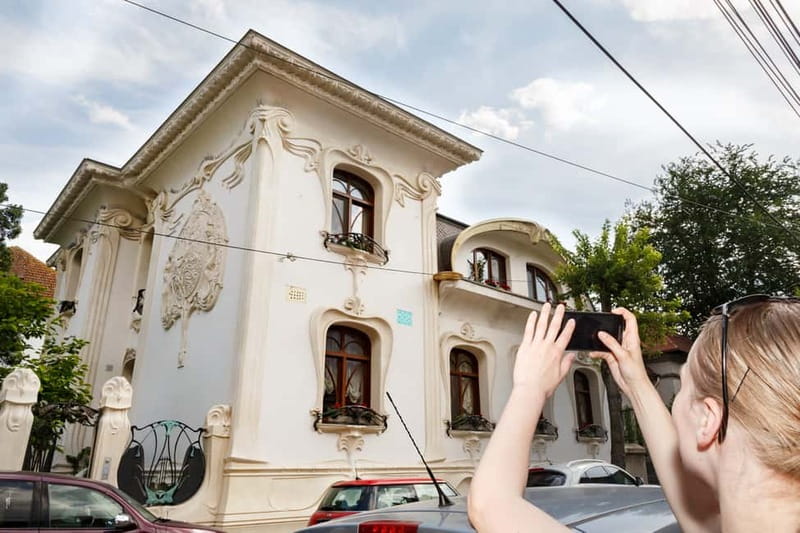
The tour ends with a visit to the Ioanid block and the Icoanei mahalla. This is where you get to close the loop on your Bucharest orientation: you have seen the older religious neighborhoods, the oldest home, and the food stop, and now you finish with architecture that feels bold and unmistakably Bucharest.
The ending also has a practical advantage. Ask your guide for suggestions for what to see next and where to eat and drink. You will get more value from that advice when it comes from someone who has just walked you through the parts of the city that shape how Bucharest reads.
Some guides here stand out for extra touches. In past groups, guide Andrei has been mentioned as greeting guests with freshly baked bagels and a bottle of drinking water at the start, which sets a friendly tone and helps everyone settle in. Another guide, Elena, has been praised for being fun and highly informative, and Livia for enthusiastic explanations and clear English. That mix of care and clarity is a big reason this tour scores well.
Price and value: what you really get for $45
At $45 per person for about 3 hours, you are paying for three things that matter on a first visit: local context, focused walking route, and one included Romanian snack.
The included items are simple but useful: a local English-speaking guide and the covrig. The guide does the heavy lifting, translating buildings, neighborhoods, and legends into something you can understand on the sidewalk. That is not something you can easily replicate with a map alone, especially in a city where different time periods sit next to each other.
Is $45 a “cheap” tour? No. But for a small group, a guide-led route, and the chance to see multiple standout spots in one morning-style window, it often feels like a fair bargain. The key is to treat it as your orientation walk, then follow up afterward with your own exploration using what the guide points out.
Who should book this tour, and who might skip it
This tour is a good fit if you want your first Bucharest visit to feel guided, not chaotic. It is also a strong choice if you like history that connects to daily life, like how mahalas formed around churches, how communities survived city change, and how writers like Mircea Eliade link to real streets.
It is also child-friendly. Children ages 6 to 11 can join at the listed child rate, and children under 6 join for free if you inform the organizer at booking. That makes it an easier option for families who still want something more interesting than a generic sightseeing loop.
You might consider skipping if you have trouble with sustained walking or if you prefer purely inside-the-building experiences. This tour is built around neighborhoods and street-level sights, so it is not designed to be a mostly indoor program.
Quick practical tips before you go
- Wear comfortable shoes. The route is a stroll, but you are still walking.
- Bring sunscreen and a hat, especially in warmer months.
- Plan to carry your own water since only the covrig is listed as included.
- If you have specific interests, like architecture or Romanian writers, ask your guide. The ending is a good moment to request recommendations.
Should you book this Bucharest walking tour?
If you are trying to get your bearings fast, and you want Bucharest without the tourist-only highlights, this tour is a solid buy. The itinerary mixes church history, Armenian community heritage, Casa Melik’s unusual house stories, and a real street-food taste, then ties it together with Mircea Eliade and finishes on memorable architecture.
Book it when you want structure. Skip it if you already know you only want museums, or if you hate walking. For most first-timers, this is the kind of orientation that makes the rest of your days feel clearer.
FAQ
Where does the tour start?
It starts on the stairs of the National Theater, in front of the main entrance. The tour ends back at the meeting point.
How long is the Bucharest walking tour?
The tour lasts about 3 hours. Starting times depend on availability.
How much does it cost?
The price is $45 per person.
What’s included in the tour price?
You get a local English-speaking guide and one covrig street snack.
What is not included?
Additional food and drinks, plus souvenirs and personal shopping, are not included.
How big is the group?
It is a small group, with a maximum of 12 people.
What languages are offered?
The tour guide speaks English.
Is the tour good for kids?
Yes. Children ages 6 to 11 can join at the listed child rate. Children under 6 join free of charge if you inform the organizer at booking.
What should I bring?
Bring comfortable shoes, sunscreen, and something to cover your head, since the sun can be intense in summer.
What is the cancellation policy?
You can cancel up to 24 hours in advance for a full refund.
Recently added around Bucharest
- Bucharest: Dealu Mare Winery Private Trip with Wine Tasting★ 4.9 · 6 reviews
- Winery touring & private wine tasting – one day private tour★ 5.0 · 3 reviews
- Traditions in Bucharest: Village Museum and Wine Tasting★ 5.0 · 8 reviews
- Village Museum Bucharest Guided Tour★ 5.0 · 6 reviews
- Your rendez-vous with Europe’s past: time-travel to Maramures, Transylvania★ 5.0 · 6 reviews
- Walking Tour of Bucharest City Center – Private Tour★ 5.0 · 4 reviews
- Wine tasting in Bucharest Old town – bonus cheese platter★ 4.5 · 6 reviews
- Private Wine Tasting at Bucharest’s First Wine Bar★ 5.0 · 3 reviews
Bucharest Walking Tours, compared.

Ghost Stories & Romanian Mythology Walking Tour
Read our review →
Walking Tour- Delightful Bucharest (Highlights, Stories, Sights)
Read our review →
4h Bucharest Private Tour (2h by Car and 2h Walking in Old Town)
Read our review →
Browse the lists this tour appears in