Reviewed · PRIVATE
10-Day Private Tour of Romania with Pick Up
Romania is one of those countries where one day can feel totally different from the next, and this private route is built for that. You start in Bucharest, then move through castles, Dacian ruins, fortified churches, wooden monasteries, and the famous painted stops of Bukovina. If you like seeing how stories overlap, this is a strong choice.
Two things I especially like here. First, you get a private, licensed English-speaking guide/driver throughout, which means you are not stuck with vague explanations or hard-to-hear bits at the back. Second, the day structure is packed with big-name sites, but also includes a few left-field stops that make the trip feel more human than checklist tourism.
One drawback to consider: it is a lot of driving and a lot of ticketed sights. Since entrances are mostly not included, you should budget extra and expect some days to be physically full.
Key highlights you will actually feel
- Private pickup and a car just for your group, so you can keep a steady pace without waiting on strangers
- Bucharest’s major political sites, including the Palace of Parliament and Revolution Square
- Transfagarasan Highway and Poienari, a mix of road drama and Vlad-linked legends
- Dacian and fortress stops, from Corvin Castle to Sarmizegetusa Regia
- Maramures and Bukovina icons, including wooden monasteries and the painted UNESCO areas
- Nicolas Experience Tours guide experience, with strong emphasis on clear English explanations
A 10-Day Private Route That Blends Big Sights With Real Meaning
This tour works because it strings together themes instead of random stops. You begin with Romania’s modern political shock, then shift to medieval power, then to local faith and everyday craft, and finally to the castles that shaped popular imagination. You end with a classic finish in Brasov and the Dracula-attraction triangle, but you are not stuck in movie-myth mode the whole time.
In practical terms, the private format matters. When you care about details, you can ask questions as you go, and when you need a break, the schedule can flex. That is one of the biggest advantages of paying for a private guide, especially over 10 days.
And yes, the itinerary is intense. If you want a slow, lounging kind of vacation, this may feel like too much. If you want a complete Romania sampler with context, it is a good fit.
Other Bucharest tours to compare
- Castles of Transylvania: Private Day Trip from Bucharest
★ 4.5 · 248 reviews - Dracula’s Castle, Peles Castle and Brasov – Private Day Trip from Bucharest
★ 5.0 · 211 reviews - Best of Bucharest | Private Walking Tour
★ 5.0 · 199 reviews
Pickup, Private Car, and the Comfort Stuff That Saves Your Trip
You are picked up at a specific time and place, and you just need to share your pickup time, address, and phone number in advance. Once you are on the road, you have a private vehicle, meaning no shared vans, no forced meeting points across multiple hotels, and no waiting around for late passengers.
The tour includes a private car (tourism or minibus) only for you and your friends/family, plus all car expenses like gasoline, parking, and road tolls. That is not just convenient, it helps you plan. You can think about the sights rather than the logistics.
You also get a licensed English-speaking guide/driver who stays with you. Your guide does more than point at buildings. Since most stops are not free, having someone to explain what you are actually looking at can turn an entrance fee into a real learning moment.
Bucharest First: The People’s House, Revolution Square, and the Old Town Mix
Day 1 is a fast education in contrasts. You start at Palace of Parliament, often tied to Romania’s communist era through its other name, People’s House. This is one of those places where scale changes how you feel. You see how massive administrative power was meant to look permanent, and you get the sense of what happens when ideology drives architecture.
Next comes the National Village Museum (Muzeul National al Satului Dimitrie Gusti). This is where Bucharest slows down for a moment. The idea is simple but effective: you see how Romanian villagers built a living environment around tradition, community, and daily work. It is a reminder that history is not only rulers and monuments, it is also the textures of everyday life.
Then you hit the cultural anchor, Romanian Athenaeum, tied to Bucharest’s identity and European heritage recognition. After that, Revolution Square brings you back to the political story, with the ousting of Ceaușescu and the start of the December 1989 revolution. This part is more than dramatic history. It helps you connect why the big buildings and symbols matter in the first place.
The day finishes in Old Town, with Hanul lui Manuc as a starting point. It is a fortified inn from the early 1800s that served merchants and city life. You also get time to wander and pick restaurants or small museums with your guide’s help, which is a smarter move than guessing after a long travel day.
A note on timing: many entrances are not included, so you will want to carry a payment plan and not assume every stop is low-cost.
Beyond Bucharest: Curtea de Arges, Poienari, and the Transfagarasan Factor
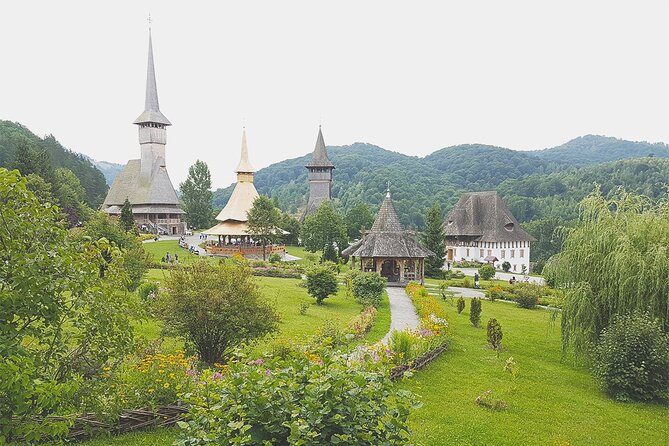
The middle of the trip leans hard into medieval power and dramatic scenery.
At Curtea de Argeș, you visit the royal church and ruins connected to Wallachian history. It is short on paper, but the payoff is the atmosphere. You get tombs and sacred space tied to royal sacrifice and a court that shaped the region.
Then comes Poienari Castle, described through ruins above the Argeș River and a Vlad-linked escape story. Even if you are not chasing legend for its own sake, the location tells you the truth. This was fortress geography, built for defense, built for hardship.
After that, you reach the big scenic showstopper: the Transfăgărășan Highway. The key practical detail is that it is fully open only from June to October, with the high point around 2,042 meters near Lake Bâlea. If you are traveling outside that window, you might find road access changes, so it is worth confirming the exact conditions for your dates with the operator.
The day also includes Sibiu’s Big Square (Piața Mare). Sibiu is a great choice in the middle of a road trip because the city center feels walkable and rewarding without requiring another full day of driving. It also gives you a change of pace, moving from cliff views and fortresses to a lively historic urban core.
A different kind of day out:
- Bucharest: Dracula’s Castle, Peles Castle, & Brasov Old Town
★ 4.5 · 17,858 reviews - Bucharest: Dracula Castle, Peles Castle & Brasov Old Town
★ 4.6 · 10,891 reviews - Bucharest: Dracula’s Castle, Peleș Castle & Brașov Day Trip
★ 4.5 · 5,919 reviews - Bucharest: Palace of Parliament Tickets and Guide
★ 4.3 · 3,182 reviews
Hunedoara to Sarmizegetusa: Fortified Power and Dacian Scale
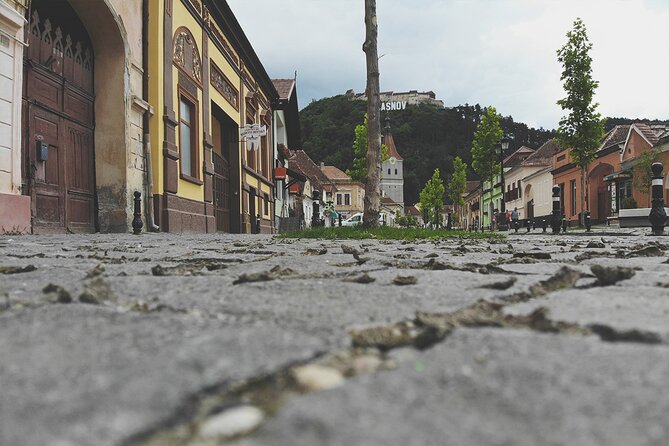
Day 3 shifts from legend into structure and archaeology.
Corvin Castle (also known as Hunyadi Castle) is one of Europe’s large castles, and it gets you into the Gothic-Renaissance vibe that still feels cinematic. It is big enough that you can spend real time just absorbing courtyards and stonework details.
Then you visit Densuș Church, noted as the oldest stone church in Romania. The layers matter here. Built in the 13th century, it sits on older Roman temple materials, and inside you can see mural paintings from later centuries. It is a good stop if you like when time periods stack rather than replace each other.
Finally, Sarmizegetusa Regia is the “why the region mattered” moment. Set on a mountain, it was the Dacian capital with six citadels forming a defensive system. This one is not about standing under a roof and taking photos. It is about understanding geography and strategic design, and doing a bit of imagination as you look out across the Orăștie Mountains.
Salt Mines, Botanics, and Wooden Church Craft in Transylvania
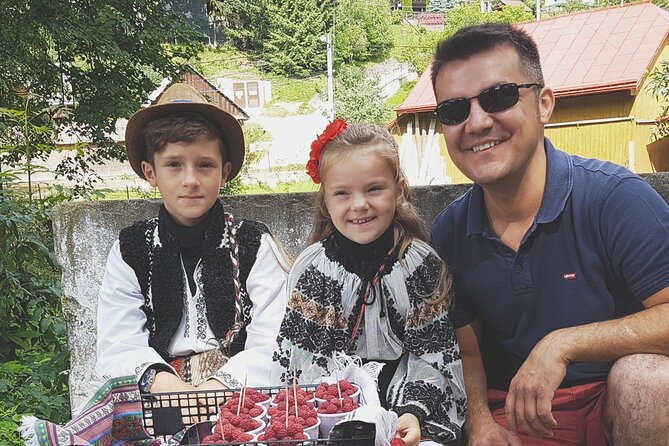
Day 4 is where the trip gets playful and hands-on.
Salina Turda is a salt mine that feels different from the usual underground caves. The air, the rooms, the open spaces, it all makes it a break from sightseeing fatigue. The stop is also practical for some travelers because the description mentions purifying saline air, which can be easier on respiratory issues.
Next is the Gradina Botanică Alexandru Borza area, with a broader connection to Cluj-Napoca’s historic center styles like Baroque, Renaissance, and Gothic, plus older buildings dating back to the 1600s. Even if you do not go deep into architecture theory, it helps to have a guide connect the look of a city to the era that produced it.
You then finish with Surdesti Wooden Church, famous for the height of its towers and its 18th-century construction. Wooden architecture hits differently when you see it in person. It is craftsmanship you can feel in the shapes and the proportions, and it is a reminder that survival in winter and rural life shaped design.
Maramures Tone: The Merry Cemetery and a Stop That Forces Perspective
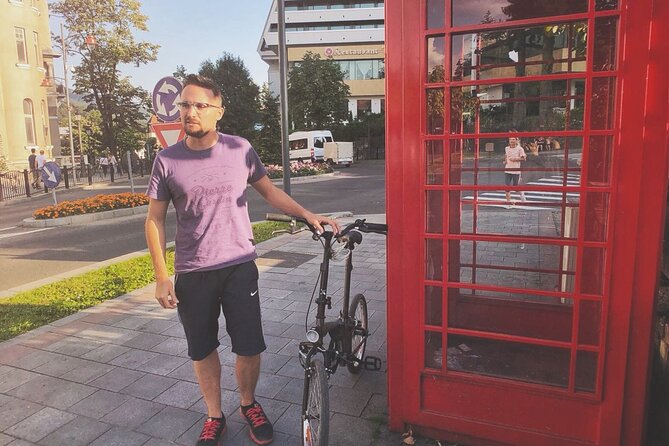
Day 5 is a balance day, moving from humor to memory.
At Merry Cemetery (Sapânța), you see colorful crosses and tombstones with humorous poems about the deceased. It is strange in the best way: death is handled with wit, not silence. You learn that cultural attitudes towards life and mourning can be very different from what you grew up with.
Then you visit the Memorial of the Victims of Communism and of the Resistance. This is the emotional anchor of the itinerary. It shifts the mood from individual stories carved into wood to the scale of political oppression and resistance. If you want to understand modern Romania, this stop matters.
Maramures to Bukovina: Wooden Monasteries, Tihuța Pass, and Painted Houses
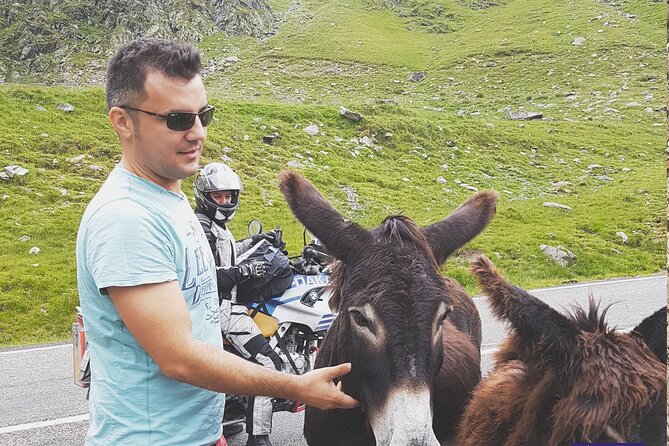
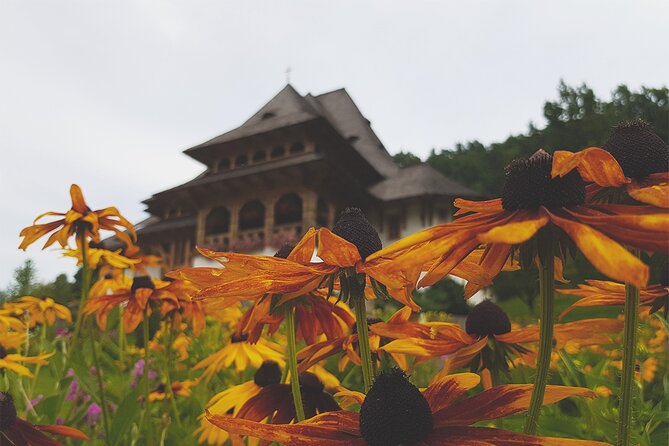
Day 6 starts with Barsana Monastery, one of the tallest wooden churches in Romania. The courtyard and the feel of the place are described in a way that highlights a spiritual connection to place, not just a sightseeing checklist. Barsana is a strong choice early because it sets expectations for the rest of the wooden and painted thread you will see in Bukovina.
Next is Tihuța Pass, with Hotel Castel Dracula at the top region. Bram Stoker’s Dracula gets referenced as the popular link to the pass name, though the tour notes Stoker likely used a map rather than visiting. Either way, this is where the story-world meets real mountain routes, and you get mountain air and viewpoint energy.
Then you visit Ciocănești, known for merry-painted houses and traditional motifs. This is not only about visual style. It also shows how local identity can be expressed through exterior decoration and community traditions. If you like folk culture, this stop is a highlight because it is not behind glass.
Bukovina’s Painted UNESCO Monasteries: Voroneț, Humor, Sucevița, Moldovița
Day 7 is a sequence you will remember. Voroneț Monastery gets called the Sistine Chapel of the East, and the key detail is the famous Voroneț blue fresco background. It is intense, and it tends to make even people who do not normally care about churches stop and stare.
Then comes Humor Monastery, a fortified monastery concept. Fortified churches can feel like dual-purpose buildings, faith plus defense. The description focuses on thick stone walls and a second church rebuilt around 1530.
You continue to Sucevița Monastery, praised for biblical scenes painted on the walls and tied to UNESCO recognition. If you want the “look at the art while understanding why the walls existed” experience, this is a good day.
Finally, Moldovița Monastery adds a different mix of styles, described as Byzantine, Gothic, and Moldavian, plus mural artwork both outside and inside. By the end of the day, the series of fresco scenes starts to feel like an annotated visual history of faith and local identity.
Eggs, a Sculptor’s Home Museum, and Bicaz Gorges for Fresh Air
Day 8 adds variety and a few unique stops.
You start with Lucia Condrea’s International Egg Museum in Moldovița. The description says it opened in the 1990s and contains over 5,500 exhibits across display cases. Even if egg art is not your usual interest, this is an easy way to break from stone and wood and see Romanian creativity in a very specific form.
Next is the Popa Museum, connected to sculptor Nicolae Popa, founded in his own house. The tour notes he was wounded in WWII, later imprisoned by communists, and left without personal possessions besides his house. The museum exists because he chose to keep making and promoting Romanian values. It is a meaningful stop because it is personal, not institutional.
Then you go to Bicaz Gorges, with time for a walk along the river banks through mountains and virgin forests. The tour says admission is included for this stop, which helps. After so many church and castle visits, this one gives your legs and your head a reset.
Sighisoara and Biertan: Medieval Town Feel in Transylvania
Day 9 focuses on UNESCO-linked Saxon heritage and a living medieval town.
In Sighișoara, you visit the Clock Tower and the Arms Museum. The big draw is that the citadel has remained inhabited for over 700 years, which is rare for a medieval fortress. Even if you do not go heavy on museum details, the streets around the citadel help you picture what daily life could have felt like.
Then you visit Biertan Fortified Church, a UNESCO World Heritage site and one of the first Transylvanian Saxon settlements in Ardeal. The description notes three defensive walls and seven bastions and a hillock location in the center of town. This is where fortified architecture becomes practical, not just dramatic.
Brasov Finish: Black Church, Bran Castle, and Peles Castle
Day 10 takes you into classic Romania postcard territory, with time in Brașov, then Bran Castle, then Peles Castle.
At Brașov Old Town, your walking tour includes the Black Church, the Old Town square, and medieval city walls. You also get free time to enjoy cafés. That open window matters because the last day can feel like the tour is speeding up, so you need a chance to breathe.
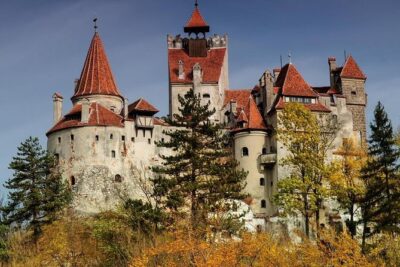
Then you visit Bran Castle, linked to Dracula by popular association. The tour frames it as myth versus history, with the idea that Bram Stoker’s fiction matches Bran closely enough that many believe it influenced the story. You also get a chance to try local foods like handmade cheeses, pálinka, and traditional ham and sausages.
Finally, you end at Peles Castle, the Romanian royal family’s summer residence. This is described as one of the most beautiful castles in Europe, and the scale and reputation are why people often book Romania for royal-castle day dreams alone. Even if you are not obsessed with royalty, Peles is a satisfying closer because it is ornate and orderly compared to the rugged fortress energy earlier in the trip.
Price and Value: What $3,918.13 Per Person Really Buys
At $3,918.13 per person for about 10 days, you are paying for the private format and the full-time guide/driver support. The price is high, but it is not just for transportation. You are buying someone to handle routing, keep the pace moving, and explain the why behind the where.
Here is what you should factor in:
- Included in the tour value: private car, English guide/driver for the whole trip, guide accommodation and entrances, Wi-Fi in the car, and all car expenses like gasoline, parking, and road tolls.
- Not included: accommodation, meals, and beverages, plus entrance fees as per the itinerary.
So your total trip cost will rise once you add your own lodging and the sight tickets. Still, the structure can be worth it if you want fewer stress points. A self-guided version of this route is possible, but you would spend time planning transfers, dealing with ticket logistics, and guessing what matters most at each stop.
Also, the tour notes pickup, mobile ticket, and group discounts. Private pricing can work out better as group size grows, especially for families or friends traveling together.
Booking Advice: Who Should Choose This Tour, and Who Might Not
I would book this tour if you want:
- a private, English-led trip where questions are welcome and schedules can adjust
- a fast but meaningful sample of Romania, from Bucharest to Bukovina to Transylvania
- a mix of big names and character stops, like the egg museum and Merry Cemetery
I would think twice if you:
- want lots of free time every day
- hate driving days and long transitions between regions
- plan to minimize entrance fees, because most sites are not included
If you do book, bring comfortable shoes and expect variable weather in mountain passes and gorges. And when you confirm your dates, ask how access and conditions look for Transfăgărășan Highway, since it is fully open only from June to October.
FAQ
What does the tour include?
The tour includes a private car for you and your group, a private licensed English-speaking guide/driver available throughout, accommodation, meals and entrance fees for the guide, wireless internet in the car, and all car expenses such as gasoline, parking, and road tolls.
Is pickup included?
Yes, pickup is offered. You need to provide your pickup time and address, plus your phone number.
What language is the tour guide?
The guide/driver is provided in English.
How long is the tour?
It is approximately 10 days.
Are entrance fees included for the main sights?
Most entrance fees are not included. Entrance fees are listed as not included across the stops, with some notes like free or included for specific items.
Do we get a mobile ticket?
Yes, a mobile ticket is included.
Is this tour private?
Yes. It is described as a private tour/activity, meaning only your group participates.
What is the cancellation window?
Free cancellation is available up to 24 hours in advance for a full refund.
Who is this tour best suited for?
It is designed for people who want a private, English-led route across major Romanian highlights with pickup and flexibility, especially if you are traveling with friends or family.
Recently added around Bucharest
- Bucharest: Dealu Mare Winery Private Trip with Wine Tasting★ 4.9 · 6 reviews
- Winery touring & private wine tasting – one day private tour★ 5.0 · 3 reviews
- Traditions in Bucharest: Village Museum and Wine Tasting★ 5.0 · 8 reviews
- Village Museum Bucharest Guided Tour★ 5.0 · 6 reviews
- Your rendez-vous with Europe’s past: time-travel to Maramures, Transylvania★ 5.0 · 6 reviews
- Walking Tour of Bucharest City Center – Private Tour★ 5.0 · 4 reviews
- Wine tasting in Bucharest Old town – bonus cheese platter★ 4.5 · 6 reviews
- Private Wine Tasting at Bucharest’s First Wine Bar★ 5.0 · 3 reviews
Private, compared.

Castles of Transylvania: Private Day Trip from Bucharest
Read our review →
Dracula’s Castle, Peles Castle and Brasov – Private Day Trip from Bucharest
Read our review →
Bucharest Panoramic Sightseeing – Private City Tour
Read our review →
THERME “Take It Easy” Pack: Full Spa Access + Private Transfers
Read our review →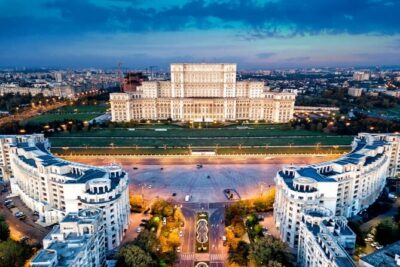
4h Bucharest Private Tour (2h by Car and 2h Walking in Old Town)
Read our review →
Discover Bucharest: Private Highlights and Traditional Food Tour
Read our review →