Reviewed · TRANSYLVANIA DAY TRIPS
The essence of Saxon Transylvania – 3-day tour of its citadels
This 3-day Saxon Transylvania route is interesting because it strings together the region’s medieval strongholds, UNESCO sites, and everyday Saxon village atmosphere in a tight, logical loop. You’ll see how faith, trade routes, and border power shaped what you still notice today in towns like Sibiu, Sighisoara, and Brasov.
I love how much you pack into a short window without feeling like you’re just ticking boxes. I also like that the tour connects famous legends to real places, so Dracula is a starting point, not the whole story. The guides also bring sharp, story-driven context, and several past guests singled out Gelu for strong English and great anecdotes.
One possible drawback: it’s a lot of days and a lot of driving for only three days. If you hate early starts or you need lots of free time for slow wandering, plan to keep expectations realistic.
Key highlights you should know before you go
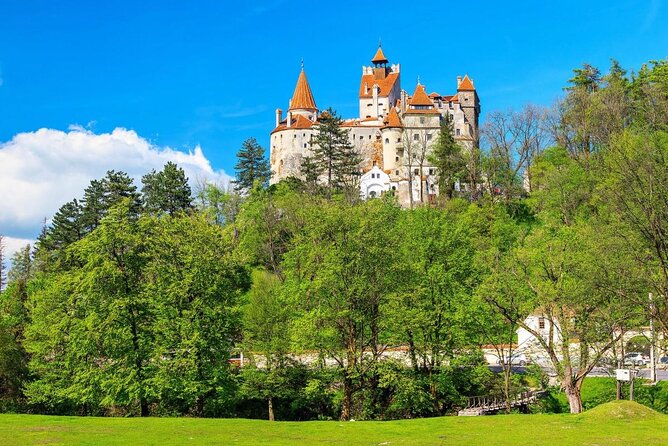
- UNESCO fortified stops: Biertan, Sighisoara, and Saschiz bring you face-to-face with how communities protected faith and authority.
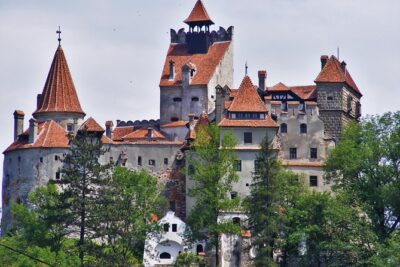
- Castle contrast on Day 3: Bran Castle’s medieval fortress vibe meets Peles Castle’s late-19th-century glamour.
- Real Saxon town geometry: plazas, stair climbs, clock towers, and walls shape what you see in Sibiu and Sighisoara.
- Strong Dracula context: you learn the regional family and political threads that make the legend feel grounded.
- Private transport, air-conditioned comfort: you’re moving by car between cities, not relying on public transit.
Three days of Saxon towns and fortress faith
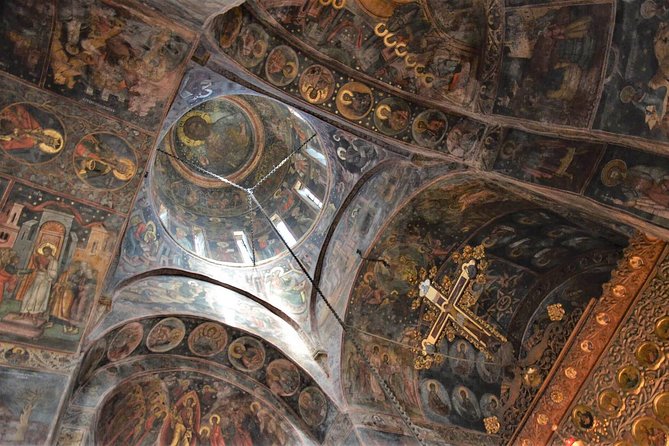
This is the kind of trip that feels like Transylvania in chapters. Day by day, the story shifts from Wallachia to Saxon towns, from fortified churches to citadels, and then into the Dracula-shaped imagination around Bran. The best part is that you’re not just looking at stone. You’re learning why people built like this, and why religious communities and rival powers cared so much.
You’ll also notice that the tour balances big-name sites with quieter, character-filled moments. A fortified church like Biertan has a different mood than a castle. Sighisoara’s streets and towers feel different again, and Brasov gives you a bigger-city pulse while still staying medieval at the core.
Because meals are not included, the trip rhythm matters. You may hear about a quick lunch or time to eat on your own between sights. Bring a flexible stomach, and use your free time wisely to recharge before the next walk or climb.
More Transylvania day trips from Bucharest:
- Transylvania and Dracula Castle Full Day Tour from Bucharest
★ 4.5 · 1,589 reviews - Castles of Transylvania: Private Day Trip from Bucharest
★ 4.5 · 248 reviews - 2-Day Medieval Transylvania with Brasov,Sibiu and Sighisoara Tour from Bucharest
★ 4.5 · 145 reviews
Day 1 in Sibiu: Cozia Monastery, council-tower views, and Lutheran and Orthodox together
Your tour begins in Bucharest with pickup offered at your hotel or at the airport. From there, you head toward the Olt River Valley, which sets a scenic, road-trip tone right away. Your first history anchor is Cozia Monastery, founded in 1388 by Mircea the Elder, a Wallachian prince who was also the grandfather of Vlad the Impaler. That connection is more than trivia. It helps you understand how power and myth grew side by side in this region.
Cozia Monastery is designed for a short, meaningful stop. You’ll get admission listed as free, and you’ll have time on-site to absorb the place without it turning into a long detour. If you want a practical tip, arrive with shoes ready for uneven surfaces and a quick eye for details on older stonework and placement.
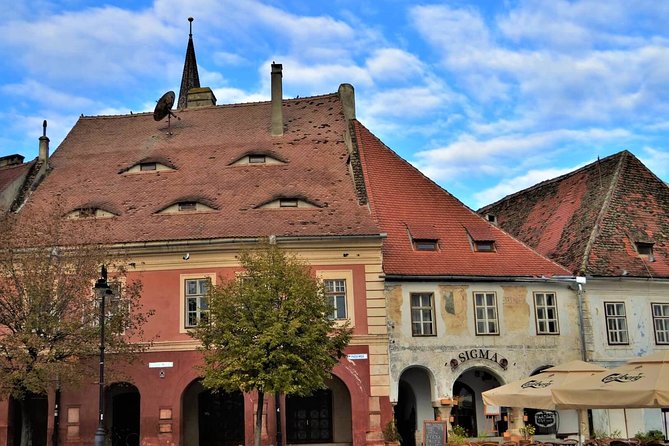
After a quick lunch and rest, you move to Sibiu, one of the standout Saxon cities on the route. The walking is focused: you’ll stroll the old streets and hit the major squares, including the Grand Square, Small Square, and Albert Huet Square, noted as dating to the 12th century. The tour also includes a visit to both the Orthodox Cathedral and the impressive Evangelical Church.
What I like here is the way the two religious buildings sit in the same day. It gives you a visual sense of how different Christian traditions coexisted and competed in a Saxon-majority context. You also get a payoff for your legs: climbing the medieval stairs to the Council Tower. The view over Sibiu rewards that effort, and it’s the kind of “step first, see later” moment that makes the walking feel worth it.
At Sibiu, you also learn how the town’s layout supports daily life. The plazas are not just pretty, they function like community stages. Expect to pause often, because the geometry of the squares and the lines of the streets are part of the experience.
Day 2 from fortified church walls to Sighisoara’s citadel and Brasov’s medieval heart
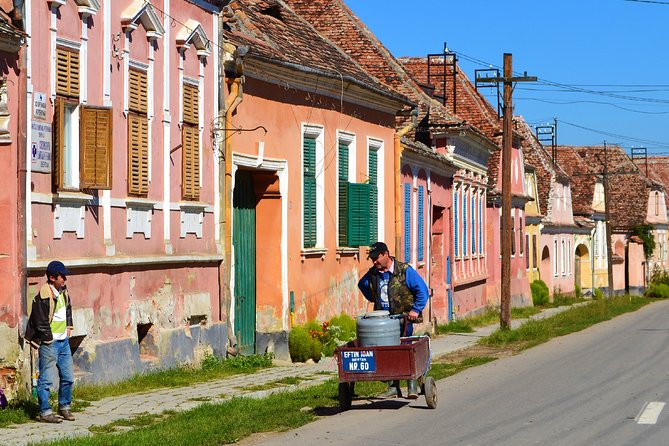
Day two starts with one of the true UNESCO hits: Biertan Fortified Church. The drive from Sibiu takes you through the Hartibaciu Valley area, crossing old Saxon villages and passing deep forests. That shift matters. It helps you feel that Saxon communities were not isolated, they were connected by roads, but also protected by terrain and distance.
Biertan is the kind of site that teaches through architecture. Built from 1486 to 1524, it served as the seat of the Lutheran bishopric for centuries. That’s why the church is wrapped in serious defenses. You’ll see defense walls, a beautiful nave ceiling, and a collection of tombstones of former bishops and notabilities. It’s a reminder that church life and political life were tightly linked.
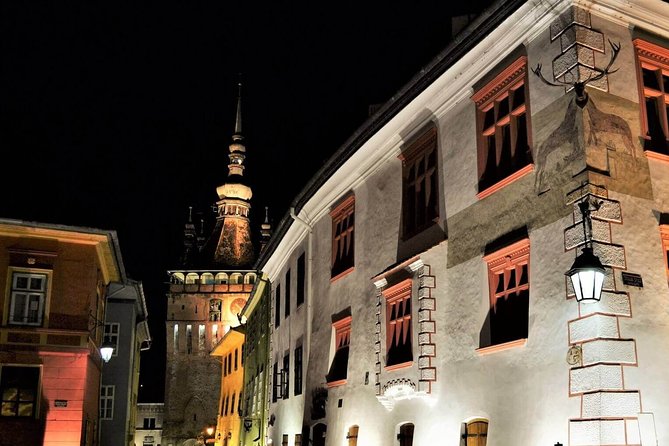
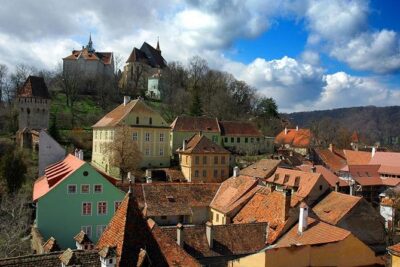
Then you head to Sighisoara, specifically the medieval citadel area. The tour gives you about two hours to explore the Clock Tower of Sighisoara, the Church on the Hill, the stairs, and the fortifications and towers. Sighisoara also adds a major legend-to-location connection: it’s described as the birthplace of Vlad the Impaler. If you’ve ever felt like the Dracula story is too vague, this is where the details snap into place because the town’s defenses and layout feel built for a real world, not just fiction.
After lunch in Sighisoara, you drive to Brasov. On the way, you get two “see it from the road” moments that still feel useful. You catch sight of Saschiz fortified church, another UNESCO-listed fortified monument built in the late 15th century, with a tower resembling the clock tower you saw in Sighisoara. Then you notice the Rupea fortress, one of the oldest fortifications in Romania, built over preexisting Roman and Dacian fortresses.
That “layering” theme keeps showing up in this region. You see medieval structures standing on earlier foundations, and you understand why controlling routes and land mattered across centuries.
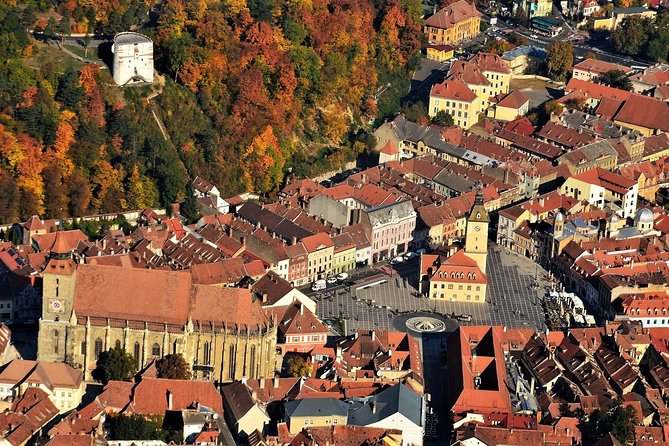
When you arrive in Brasov, you check in, then focus on the historical center. The tour includes the Black Church, a 14th-century Gothic monument, plus fortifications, bastions, and towers of the medieval fortress. You’ll also walk Rope Street, described as possibly the narrowest street in the world. It’s short, but it gives you a quick, memorable feel for how real medieval streets squeezed daily life into a tight footprint.
Brasov is also different in energy because it drew people from across the country during the past century. The result is a city that feels active, but you can still orient yourself by its older walls and towers.
Day 3 to Bran and Peles: Dracula’s fortress meets Carol I’s royal showpiece
On the final day, you leave Brasov and head toward Bran. Before you reach the castle, you admire from afar the Rasnov fortress, built in the 13th century and thought to relate to the Teutonic Knights-era control in the early 1200s. Even from a distance, it’s a good reminder that this region was a patchwork of competing powers, and fortifications followed those political shifts.
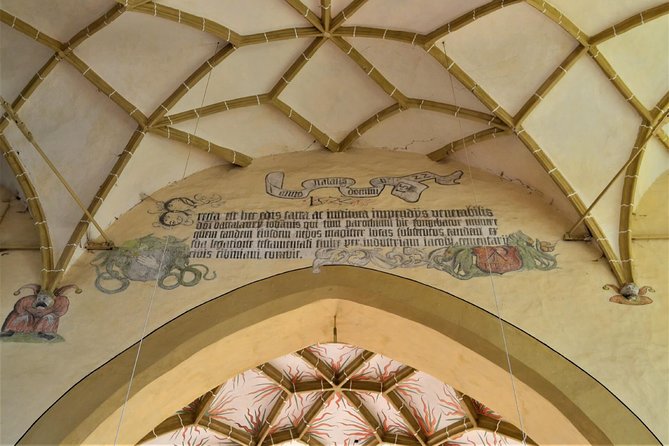
Then comes Bran Castle, often called Dracula’s Castle. The visit is about two hours, and it’s structured around why this place was strategically placed to guard a commercial route between Wallachia and Transylvania. Bran is described as built on the corner of a great rock, with sides made quite impregnable by the terrain. That matters because you’re not just watching a spooky myth. You’re seeing a fortress shape that fits its defensive purpose.
If you want to enjoy Bran more, treat it as a historical fortress first, a legend second. The Dracula connection is part of the ticket, but the stone and the position do the heavy lifting.
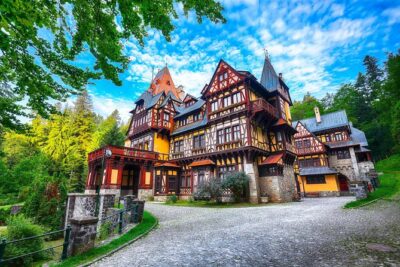
After Bran, you continue to Sinaia for Peles Castle. You arrive early afternoon, timed so you can visit Peles and still keep the day from turning into a rush. Peles was built at the end of the 19th century and is described as flamboyant, in sharp contrast to its founder, Carol I, the first King of Romania.
This contrast is one of the best teaching moments in the whole trip. Carol I is portrayed as sober and focused on modernization, and you’ll hear about his long reign, about 48 years. The story also mentions Queen Elisabeth’s line that he wore the crown even while he was sleeping, which gives the royal tone a human edge. Peles isn’t trying to recreate medieval defense. It’s a different statement, more about prestige and national progress.
If you’re planning what to photograph, put Peles near the top of your list for the day. Bran is dramatic and direct. Peles tends to reward patience, especially for architectural details.
More day trips out of Bucharest:
- Bucharest: Dracula’s Castle, Peleș Castle & Brașov Day Trip
★ 4.5 · 5,919 reviews - Bucharest: Day Trip to Dracula Castle, Peles Castle & Brașov
★ 4.4 · 3,049 reviews - Dracula’s Castle, Peles Castle and Brasov Day Trip from Bucharest
★ 4.5 · 1,804 reviews - From Bucharest: Brasov Peles & Dracula’s Castle Day Tour
★ 4.5 · 1,244 reviews
Driving comfort, timing, and your hotel base in the middle of it all
This tour is built around a private, air-conditioned vehicle and private transportation between stops. That sounds basic, but in Romania distances can be real, and this plan keeps you in one rhythm instead of juggling schedules. Pickup is offered at your hotel or at the airport in Bucharest, so you’re not forced to solve the first logistics puzzle yourself.
The tour includes two nights in a 3-star superior hotel or guesthouse, double occupancy, with breakfast included. That breakfast piece matters more than people think. When you’re moving between cities and climbing into old towns, you want fuel before walking starts. Still, meals are not included, so you’ll need to budget for lunch and dinner on your own.
Admission details are mixed across sites. Cozia Monastery is listed as free for admission. Sibiu walking and key church visits list admission as free. Biertan, the citadel portion in Sighisoara, and key sights in Brasov are listed as included. Bran Castle and Peles Castle are also included. That reduces surprise costs, but you may still want to carry a little cash for snacks, bottled water, and whatever you find that looks good in each town.
You also have a mobile ticket, which helps for smooth entry at some stops. If you’re the kind of traveler who hates last-minute paperwork, that’s a small but real convenience.
Guide energy and story focus: Gelu, strong English, and Dracula with context
The standout in the experience is the guide style. Multiple past guests praised the guide team for being excellent with English and for telling strong anecdotes. One name that comes up is Gelu, described as a great guide who knows everything and shares anecdotes in a way that makes the sites feel alive. In one family trip, the party also mentioned Vlad alongside Gelu, suggesting a guide pairing can happen.
What this means for you on the ground is simple. You’re not stuck translating big concepts yourself. You get the threads connecting Mircea the Elder to Vlad, the Lutheran bishopric to fortified walls at Biertan, and the strategic route logic behind Bran Castle. That’s how Dracula becomes more than a costume.
The tour also uses quick pacing where it should. You get shorter stops where you need a “meaningful hit,” like Cozia Monastery, and longer guided time where the architecture demands it, like the citadel areas. That balance helps you feel like you’re learning, not just moving.
If you care about religion and how communities coexisted and competed, this tour leans into that. The day with both Orthodox and Evangelical spaces in Sibiu is one example, and Biertan’s fortified Lutheran context is another. You’ll also hear how these tensions between nations and empires shaped traditions and culture, which is the real reason these places feel different from casual sightseeing.
Price and value: what $914.51 per person buys you
At $914.51 per person, this is not a budget day trip. But the value math changes once you look at what’s included. You get three days covering multiple major towns plus two castles, and the package includes air-conditioned private transport, all fees and taxes, two nights of lodging with breakfast, and the key paid entries listed as included.
The biggest cost saver is the guided structure plus transportation. Traveling in this region independently is possible, but you’d still be paying for cars or drivers, tickets, and time. Here, the plan controls the order and timing, and it wraps the admissions into the total.
Where the price doesn’t cover you is meals, photo fees, and flights. Meals are the usual missing piece on tours like this, and the lack of a meal plan means you have more flexibility but also more responsibility to find food you like. Photo fees can also vary by site, so keep a little buffer.
If you’re traveling as a small group, you may also benefit from group discounts, which can improve the value further. Just remember: the tour is described as private for your group, so the more people you bring, the more you spread the fixed costs.
Who this Saxon Transylvania tour fits best
This trip is a great fit if you like medieval towns, strong architecture, and history that explains why things look the way they do. It also works if you’re curious about how religious communities and politics shaped daily life, not just the famous names.
You’ll probably enjoy it most if:
- you want a guided route that keeps costs controlled
- you like walking tours that include viewpoints and plazas
- you enjoy learning stories behind legends, not just the legend itself
It may be less ideal if:
- you want lots of unstructured free time in one city
- you’re sensitive to a packed schedule
- you hate driving days, even if the vehicle is comfortable
The tour is also well matched to couples or friends who want shared experiences without planning every transfer. And since it’s private, the vibe tends to feel more personal than large group hopping.
Should you book this Saxon Transylvania tour?
I’d book it if you want three days that feel like a proper overview of Saxon Transylvania, with the UNESCO fortified sites and the major castles done with context. The private air-conditioned transport, two nights of breakfast-included lodging, and included admissions for key stops make it feel efficient for the money.
I would hesitate only if you’re someone who needs extra downtime between places. This schedule is active. You’ll walk old-town streets, climb for views, and spend meaningful time at fortress-style sites.
If you can handle that, you’ll leave with a clear sense of how Saxon communities defended their way of life, why religion mattered in public spaces, and why Dracula became attached to specific places rather than just a generic mood.
FAQ
What is the duration of the Saxon Transylvania 3-day tour?
The tour runs for 3 days, roughly. The exact day-by-day timing depends on your schedule and the pace of the guided visits, but it is planned as a tight three-day route from Bucharest through Saxon towns and back toward Bran and Peles.
Where does the tour start?
The tour is based in Bucharest, and pickup is offered either from your hotel or from the airport.
What’s included in the price?
The package includes air-conditioned vehicle and private transportation, all fees and taxes, and 2 nights in a 3-star superior hotel or guesthouse with breakfast included. Key admissions are listed as free or included depending on the stop.
Are meals included?
No. Meals are not included, so you’ll need to plan lunch and dinner on your own during breaks in the schedule.
Is this tour private?
Yes. It’s described as a private tour or activity, meaning only your group participates.
How far in advance do I need to cancel for a full refund?
You can cancel up to 6 days in advance for a full refund. The rules change for cancellations closer to the start time, so it’s smart to decide early if your dates are flexible.
Recently added around Bucharest
- Bucharest: Dealu Mare Winery Private Trip with Wine Tasting★ 4.9 · 6 reviews
- Winery touring & private wine tasting – one day private tour★ 5.0 · 3 reviews
- Traditions in Bucharest: Village Museum and Wine Tasting★ 5.0 · 8 reviews
- Village Museum Bucharest Guided Tour★ 5.0 · 6 reviews
- Your rendez-vous with Europe’s past: time-travel to Maramures, Transylvania★ 5.0 · 6 reviews
- Walking Tour of Bucharest City Center – Private Tour★ 5.0 · 4 reviews
- Wine tasting in Bucharest Old town – bonus cheese platter★ 4.5 · 6 reviews
- Private Wine Tasting at Bucharest’s First Wine Bar★ 5.0 · 3 reviews
Transylvania Day Trips, compared.
Transylvania and Dracula Castle Full Day Tour from Bucharest
Read our review →
Castles of Transylvania: Private Day Trip from Bucharest
Read our review →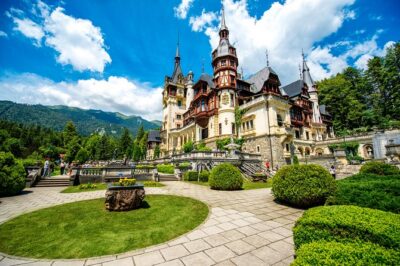
2-Day Medieval Transylvania with Brasov,Sibiu and Sighisoara Tour from Bucharest
Read our review →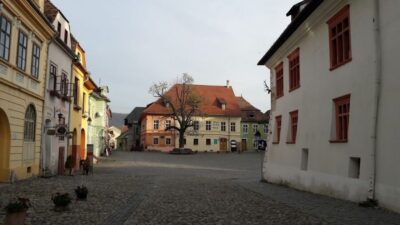
2-Day Transylvania from Bucharest: Brasov, Bran, Sighisoara
Read our review →
4-Day Private Tour in Transylvania from Bucharest
Read our review →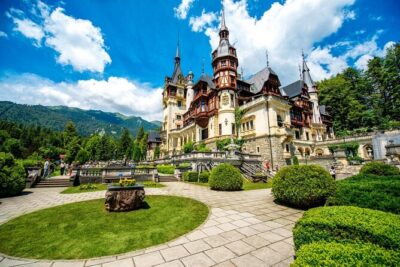
Private Tour: Transylvanian Castles and Brasov’s Medieval Old Town
Read our review →Browse the lists this tour appears in