Reviewed · 7-DAY EXPERIENCES
7 days Private Romania Grand Tour from Bucharest
This 7-day private Romania grand tour is interesting because it stitches together Transylvania’s classic highlights with UNESCO-level stops in the north, all on one smooth route. I love the private pacing across towns and villages instead of rushing through them, and I also like how the itinerary mixes big-name sites like Bran Castle with smaller, story-rich places like painted monasteries. One consideration: it’s a long road trip, and while some sites are free, several major attractions have ticket costs that may be extra.
I also like that you get real convenience baked in, like hotel pickup and drop-off in Bucharest and air-conditioned private vehicle transport. The main downside is simple math: with castle and church admissions not consistently included, you’ll want to budget some extra spending so you are not surprised halfway through.
Key things I’d focus on before you book
- Private tour with a dedicated driver/guide and only your group in the vehicle
- 6 nights of accommodation plus 6 breakfasts, which helps the value add up fast
- UNESCO Churches of Moldavia plus UNESCO wooden church sights in Northern Transylvania
- A big variety of Romania, from Saxon-influenced cities to painted monasteries and castles
- Some stops are free, others are not included, so check tickets before you go
- Air-conditioned minivan transport that makes the miles feel manageable
Why This Bucharest to Transylvania Route Feels Effortless
What makes this tour work so well is the way it protects your energy. You start from Bucharest and end back in Bucharest, so you do not spend time re-planning transport between regions. Instead, you follow one logical direction through Wallachia into Transylvania, then up into Northern Transylvania and Bucovina, and finally back toward home base.
On this kind of trip, the biggest risk is burnout from constant transfers. Here, that risk is lowered by private vehicle transport and a driver/guide who keeps the day moving. Even better, the itinerary has a rhythm: you get a few standout sights per day, with enough time to actually look, not just pose and move on.
My only caution: this is still a road tour. Expect early starts on some days, and you will spend several hours in the minivan depending on traffic and seasonal conditions. If you are the type who hates winding drives or tight connections between stops, you might want a slower option, or at least bring patience and a good playlist.
Other Bucharest tours to compare
- 7-Day Private Tour of Transylvania from Bucharest
★ 5.0 · 13 reviews - 4×4 Driving Experience at Flying Altitudes – 7 Days
★ 5.0 · 13 reviews - Transylvanian week
★ 5.0 · 7 reviews
Price and Value: What Your Money Usually Covers
At $1,719.59 per person for an approximately 7-day trip, the value mostly comes from three things that add up quickly if you arrange them yourself: private transport, 6 nights lodging, and breakfast for 6 days. Add hotel pickup and drop-off in Bucharest and you can see why the package format helps.
Where it gets tricky is entrances. The tour overview says entrance fees are included, but the included section lists entrance fees as not included, and many stops are marked admission ticket not included. The realistic way to handle this is to assume some major attractions will cost extra unless your confirmation details explicitly say otherwise.
So here is the practical budget mindset:
- Plan on the core trip elements being covered (lodging, breakfast, transport).
- Keep some extra cash or card available for tickets at major paid stops like salt mine entries, wooden church interiors when ticketed, and castles.
- If you need a single room, there is a supplement of 150 euro paid locally.
Day 1: Cozia Monastery and Sibiu’s Medieval Squares
Your day begins by heading toward the Olt Valley, with Cozia Monastery first. This is a 14th-century Wallachian monument tied to Prince Mircea Il the Old, later restored in the 17th century. What I love about this stop is the mix of art and identity: you get Armenian decorative details on the façade and richly frescoed interiors. Even if you are not a religious-architecture expert, these layers are the kind of thing that makes Romania feel specific, not generic.
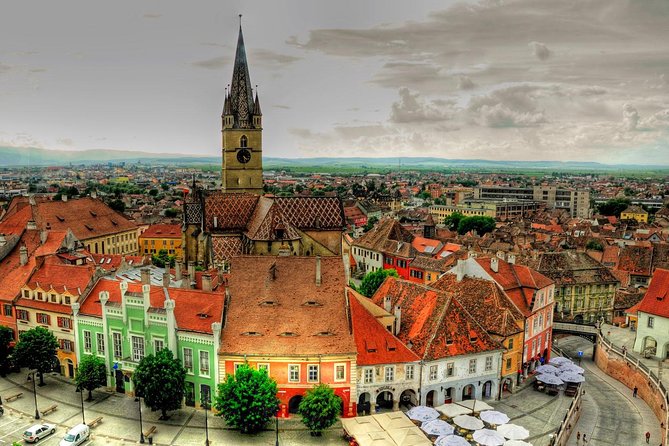
Next comes Sibiu, one of the best cities for walking without feeling stuck in traffic circles. You will have time for the medieval atmosphere, especially the three squares: Big Square, Small Square, and Huet Square. If you like architecture with personality, Sibiu delivers, from towers and 15th-century bastions to museums and the famous houses known for their distinctive windows.
Sibiu also gives you a rare peaceful clue about the past: Catholics, Orthodox, and Protestants living together over centuries shows up in the religious monuments scattered around town. You also visit a major gothic evangelical church in Transylvania. This is a great day to get your bearings, because it sets up what you will see more intensely later, the blend of communities that shaped the region.
What to consider: Sibiu is walkable, but the city is medieval, so you should expect uneven surfaces and stairs. Wear shoes that forgive.
Day 2: Alba Iulia, Turda Salt Mine, and Cluj Napoca’s Church Power
Day 2 starts with Alba Iulia, a city that matters because Romania’s Great Unification was made here on December 1, 1918, right after World War I. You do not just see a place, you learn why a place became a turning point.
Then you drop into something completely different: Salina Turda. This salt mine is famous for going deep, about 400 feet down, into a buried world. Inside you can find things that feel oddly playful for a mine: an amphitheater, a bowling alley, an underground lake where you can paddle or row, and even a Ferris wheel. It is the kind of stop that surprises you in a good way, because it does not behave like a typical museum.
A practical note: the salt mine admission is not included, so it is one of the most likely places where your extra budget gets used early.
After lunch energy, you reach Cluj-Napoca, a city with a strong cultural and university presence. The centerpiece is St. Michael’s Church, built through multiple eras and connected to different worship traditions. Around it you get the imposing statuary complex featuring King Mattia Corvino and his soldiers. If you like cities with depth, you will probably enjoy how Cluj has modern momentum without losing its historic identity.
A different kind of day out:
- Bucharest: Dracula’s Castle, Peles Castle, & Brasov Old Town
★ 4.5 · 17,858 reviews - Bucharest: Dracula Castle, Peles Castle & Brasov Old Town
★ 4.6 · 10,891 reviews - Bucharest: Dracula’s Castle, Peleș Castle & Brașov Day Trip
★ 4.5 · 5,919 reviews - Bucharest: Palace of Parliament Tickets and Guide
★ 4.3 · 3,182 reviews
Day 3: UNESCO Wooden Church Views in Șurdești and Maramureș’ Spires
Day 3 is all about Northern Transylvania. You start in Șurdești, home to a UNESCO-listed wooden church. This one matters because of its engineering and design: it was once the tallest wooden church in Europe, with a tall tower and impressive total height. The church also has a unique double-eaved roof with two superposed rows of arches above the porch, and the architecture is tied to local craft traditions. The Greek Catholic church of the Holy Archangels nearby, built in 1721 from oak logs, adds another layer of religious history to the area.
Next comes Barsana Monastery, again in the UNESCO context of the Maramureș region. It is known for the tall spires of Orthodox churches across the area, and Barsana itself is a complex that functions as a convent with sixteen nuns. For many people, this day is where Romania shifts from postcard sights into lived-in culture you can feel in the details.
Then you get a very practical, very regional stop: Vadu Izei and the Romanian valtoare, sometimes described as a natural washing mechanism. You will see a simple setup using the speed of a fast mountain stream to wash laundry, with water channeled through wooden structures into a bowl. The tour text even frames it as the world’s first natural washing machine, credited by an academic institution. It sounds like a weird footnote, but it’s a real example of how communities used what they had.
What to consider: several of these attractions are outside or in semi-outdoor settings. Pack for cool mornings in the mountains, even in warmer months.
Day 4: Merry Cemetery, Bucovina Painted Monasteries, and Marginea Ceramics
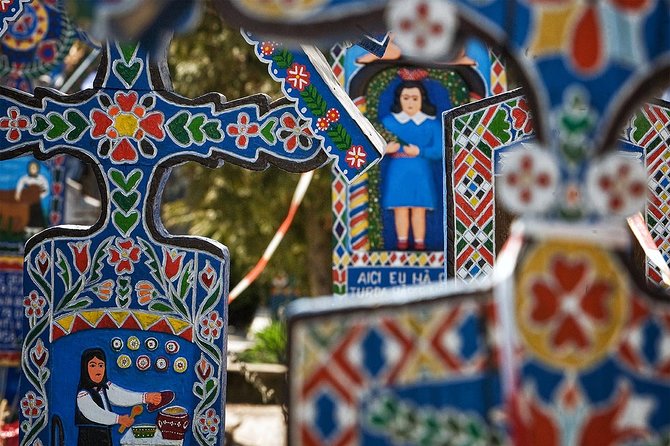
Day 4 reads like an art history trip, because it is. You begin at Cimitirul Vesel, also known as the Merry Cemetery in Săpânţa. Instead of gray and silent, this cemetery uses over 800 wooden crosses, each with life stories, specific details, and final moments. The bright images and limerick-style annotations are the big feature. It is not the kind of memorial you forget.
Then you move into Bucovina’s painted monasteries, with three major stops: Moldovița, Sucevița, and Voroneț later. These monasteries are famous for frescoes on both interior and exterior surfaces. Moldovița is tied to Pietro Rareș and has frescoes that enchant with color and detail. Sucevița is known for Gothic and Byzantine elements blending into a regional Moldovan architectural style, and its north façade frescoes remain visible because of protective walls.
A common theme across these monasteries is how the art makes faith feel readable. Even if you do not know the theological references, you can follow the emotional storytelling through the visible scenes and color choices.
You then add a local craft break with Marginea black ceramics. Here you get to enter the workshop and watch phases of pot making, including the traditional technique that creates the famous black ceramic. You can also shop for Bucovina-style souvenirs like decorated eggs and painted items. This is a great moment to trade the heavy visual art of frescoes for a hands-on cultural skill.
One more stop includes Voroneț, which is the painted monastery that most people associate with this whole cluster of sites. Bring time for walking around and viewing the façade from different angles if your schedule allows, because frescoes can look different as the light changes.
What to consider: many monastery admissions are not included, so you will likely pay for at least some of these. If you are trying to control spending, ask the guide about which ones tend to be ticketed for your exact dates.
Day 5: Piatra Neamț, Bicaz Gorges, and Red Lake Legends
Day 5 mixes quick stops with one of the most memorable scenery drives on this route: Bicaz Gorges. You start with a short stop in Piatra Neamț, a ski resort area that still has a citadel dating back to Stephen the Great’s era and an 18th-century synagogue. It is a brief introduction rather than a deep dive, but it helps set the stage for the mountainous terrain that follows.
Then you hit Bicaz Gorges, where the road runs beside a stream and the cliffs form a dramatic corridor. The tour route also includes a market along the gorges with typical handicrafts and souvenirs, which can be a practical place to grab small items without going out of your way.
After that, you visit Red Lake, a barrier lake formed after a landslide, with tree trunks still present beneath the water, creating an atmospheric look. The stop also includes legends that explain the name and how stories spread around it. Even if you do not care about folklore, the atmosphere here tends to slow people down.
What to consider: because it is a scenic drive day, weather matters. If it is rainy or icy, take it slow and consider motion comfort, since you will still be moving between viewpoints.
You end the day by arriving late evening in Sighișoara, the birthplace of Vlad Dracula. The timing means you may not see much more that day beyond arrival and brief orientation, but it sets up a great next-morning start.
Day 6: UNESCO Sighișoara, Bran Castle’s Border Story, and Brasov’s German-Style Streets
Day 6 is for legends, city walls, and photogenic streets. You begin with the Historic Center of Sighișoara, a UNESCO heritage site. The center is fortified, and the colorful houses with the Clock Tower at the center make it easy to picture how life once moved within walls. The tour route also highlights the city as multicultural and multi-confessional, with streets and churches reflecting different traditions. You also learn that Vlad Dracula was born here in 1431, and you carry that knowledge as you walk.
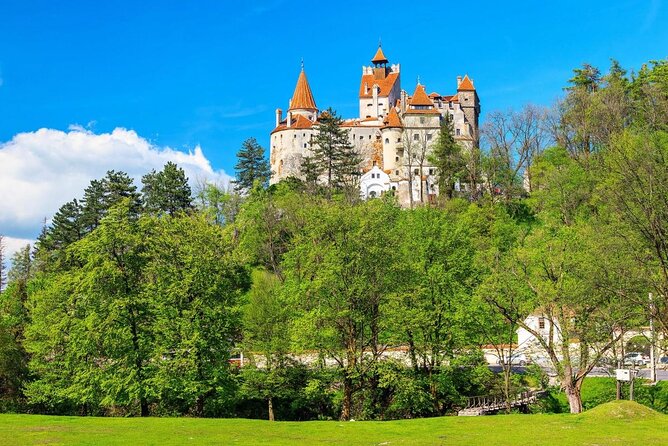
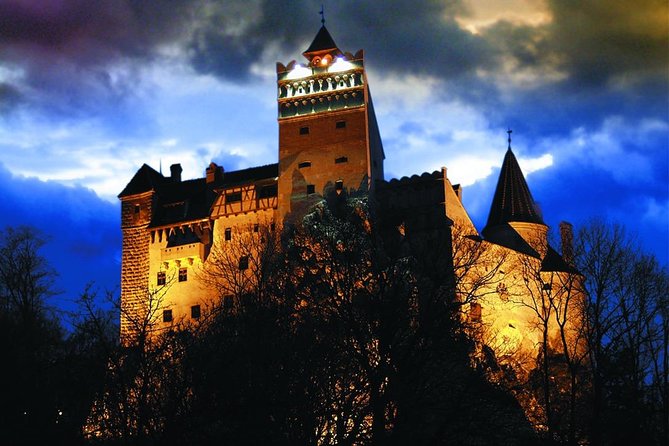
Next comes the big name: Bran Castle, widely known as Dracula’s Castle. This is not just a spooky themed stop. The key idea is geography and defense. Bran used to sit on the border between Wallachia and Transylvania, so Brasov-area inhabitants built and preserved a stronghold that mattered for protection and control.
If you like history mixed with legend, Bran is a satisfying combo stop because it gives you a reason the story stuck. It is also a place where weather can change the vibe quickly, so bring a light layer if your visit is in cooler months.
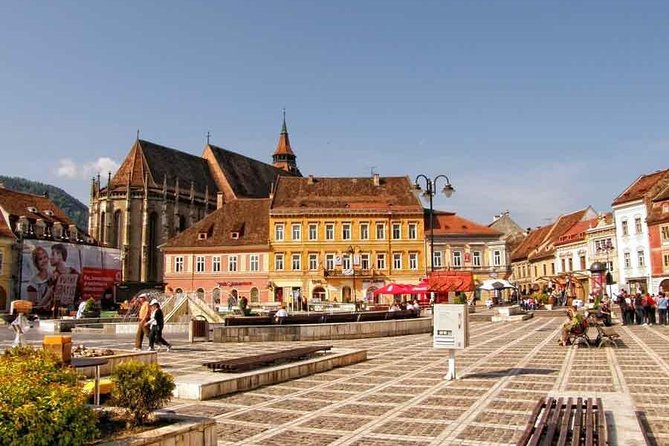
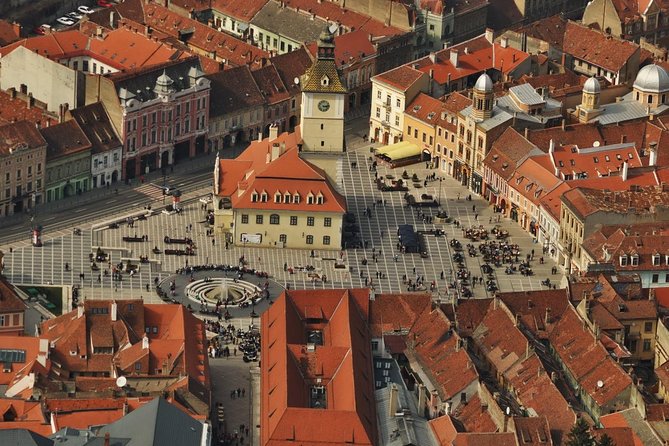
Then you finish with Brasov Historical Center. Brasov is known for once being fully fortified and for having German-influenced architecture, where Gothic, Baroque, and Renaissance styles intersect. You will visit the First Romanian School, located in the Schei district, and see old city gates including Catherine’s and Schei Gate.
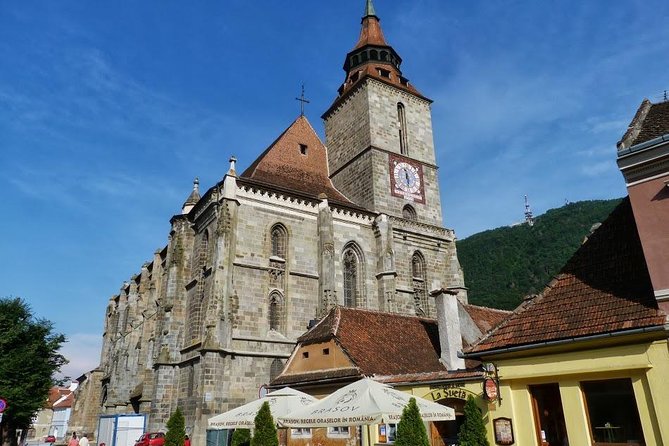
The Black Church is also on the list. This part of the day is ideal for anyone who wants Romania to feel like more than castles. Brasov lets you connect the dots between Transylvania’s communities and how commerce and culture grew around them.
What to consider: this is a packed day with walking. If your knees are sensitive, plan for breaks and do not try to sprint between viewpoints.
Day 7: Peles Castle and a Quick Bucharest Panoramic Reset
Day 7 gives you a crown jewel in the literal sense: Peles Castle. This is the summer residence of the first king of Romania, King Charles I, of Hohenzollern origins. The castle was designed by a Czech architect and built between the 19th and 20th centuries, and it is famous for being modern at the time. The interior is also varied, with each room having its own style, including a Florentine room that brings an Italian Renaissance feel.
If you like castles beyond the spooky exterior shot, Peles tends to win people over because it feels more like an artwork collection inside a palace.
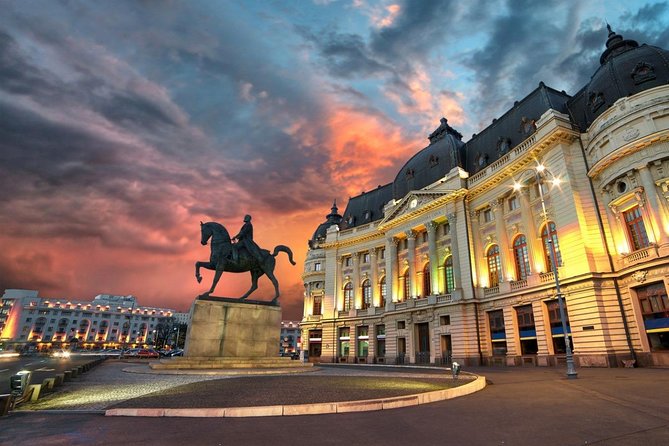
Then you head back to Bucharest for a panoramic tour. You will see the Triumph Arch, the Atheneum, Revolution Square, and the Parliament Palace. This final piece matters because it helps you remember the trip was anchored in a capital city, not just a drive through the mountains.
Keep your expectations realistic here: a panoramic tour is a fast way to spot the big landmarks, not a full deep-immersion in each one. But as a finishing act, it is useful.
How Guides and Planning Support Make or Break the Experience
One of the most consistently praised elements is the human side. In past departures, the operator George has been described as very helpful when planning got tricky, especially when guidance and rules were changing. That matters if you want a smooth trip and not a stressful scramble.
Also, the experience highlights dedicated guides like Liviu, who led trips through the mountains, valleys, painted monasteries, and major Dracula stops. When a guide knows how to pace the day and keep the context clear, you feel it in places like the painted monasteries and in the border-story logic behind Bran Castle.
So if you are choosing this kind of package, pick it for the route. But also know you will benefit if the guide communicates well and handles timing and tickets smartly.
Who This Tour Suits Best, and Who Might Want Something Different
This tour fits best if you want a one-and-done private route that covers a lot of ground without you managing logistics. You’ll likely enjoy it if you like:
- mixing religious art, local crafts, and castle stops
- getting UNESCO context without reading a guidebook all day
- city time that still feels connected to the region, not random detours
It might be less ideal if you:
- want a super slow pace with long standalone city days
- hate unpredictable ticket costs and want every admission guaranteed included
- travel with mobility limits and cannot handle stairs, uneven medieval streets, or multiple walking segments per day
If you are traveling with senior family members or you just prefer comfort over intensity, the private minivan and dedicated driver/guide are strong reasons to consider this format.
Should You Book This Private Romania Grand Tour?
I think this is a strong pick if your goal is to see major Romanian regions in one week and you value convenience. The big win is the package structure: lodging plus breakfast plus private transport makes the trip feel organized from the moment you leave Bucharest.
I would book with one key step: confirm which entrance fees are actually included for your dates. Some stops are listed as free, and others are clearly not included, so you want a clear answer on the total ticket spend. If that part is handled and your comfort level matches a road-heavy itinerary, this tour gives you a memorable mix of UNESCO art, Northern wood church craft, Bucovina fresco drama, Dracula legend, and Romanian city atmosphere, all in a single sweep.
FAQ
How long is the tour?
It runs for approximately 7 days.
How many nights and breakfasts are included?
You get 6 nights of accommodation and breakfast is included for 6 days.
Is pickup and drop-off in Bucharest included?
Yes. Hotel pickup and drop-off are included.
Is this a private tour?
Yes. It is a private tour, and only your group will participate.
What time does the tour start?
The start time is 9:00 am.
Are entrance fees included?
Entrance fees are not included.
Is there a single room supplement?
Yes. The supplement for a single room is 150 euro, paid locally in cash or by credit card.
What happens if the tour is canceled due to poor weather?
If it is canceled due to poor weather, you will be offered a different date or a full refund.
Recently added around Bucharest
- Bucharest: Dealu Mare Winery Private Trip with Wine Tasting★ 4.9 · 6 reviews
- Winery touring & private wine tasting – one day private tour★ 5.0 · 3 reviews
- Traditions in Bucharest: Village Museum and Wine Tasting★ 5.0 · 8 reviews
- Village Museum Bucharest Guided Tour★ 5.0 · 6 reviews
- Your rendez-vous with Europe’s past: time-travel to Maramures, Transylvania★ 5.0 · 6 reviews
- Walking Tour of Bucharest City Center – Private Tour★ 5.0 · 4 reviews
- Wine tasting in Bucharest Old town – bonus cheese platter★ 4.5 · 6 reviews
- Private Wine Tasting at Bucharest’s First Wine Bar★ 5.0 · 3 reviews
7-Day Experiences, compared.
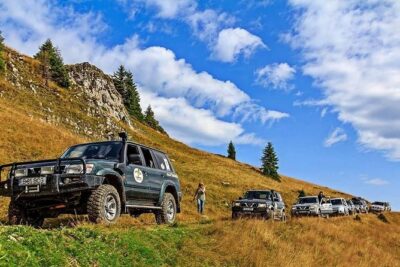
4×4 Driving Experience at Flying Altitudes – 7 Days
Read our review →
7-Day Private Tour of Transylvania from Bucharest
Read our review →
Amazing Romania – Seven day private tour from Bucharest
Read our review →

7 Days Private Guided Tour in Romania from Bucharest
Read our review →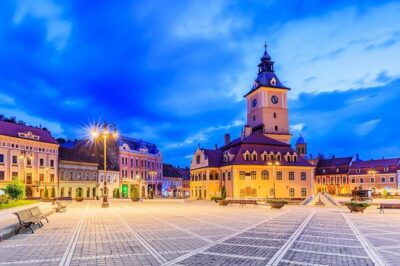
7-Day Dracula Tour in Romania from Bucharest including ‘The Ritual of Killing of a Living Dead’
Read our review →Browse the lists this tour appears in