Reviewed · BRASOV DAY TRIPS
4 Days Private Tour in Transylvania Brasov Sighisoara Sibiu
This tour is interesting because it stitches together Transylvania’s big-name castles and the quieter, UNESCO-protected fortified churches into one smooth private route. You get only your group on the trip, with a flexible plan that your guide can adjust to your pace. The reward is variety, not just castle after castle.
I especially like how the days are built around a clear story arc: royal power and legend first, then medieval Saxon towns, then fortified church networks, and finally Romania’s dramatic mountain engineering. I also love the comfort factor of private air-conditioned transport, which matters a lot when you are moving between regions. One possible drawback: accommodation and most meals are not included, so you will need to plan those costs and time yourself.
If you want a packed 4 days with minimal hassle, this is a strong fit. Just be realistic that you are touring a lot of stops, so you may want to ask your guide for bathroom breaks and photo time at each major viewpoint.
Key highlights to plan around
- Private-only group so you can move at your pace and ask questions without a crowd pushing you.
- UNESCO fortified churches in Viscri, Biertan, and UNESCO Sighișoara included in the same circuit.
- Iconic castles with context, Peleș and Bran alongside medieval Brasov.
- Mountain driving day with Transfăgărășan Highway, Bâlea Lake, and Vidraru Dam.
- Historical powerhouse towns across the route, from Brașov to Sibiu, the former Transylvanian capital.
- Guide support, with strong feedback mentioning Mircea and his ability to keep the trip smooth for different language comfort levels.
Why This 4-Day Transylvania Route Feels So Efficient
The best part of this experience is the way it reduces decision fatigue. Instead of bouncing between far-flung towns on your own, you follow a logical loop that includes overnight stays in Brașov, Sighișoara, and Sibiu.
You’ll also like the private format because you can spend less time figuring out schedules and more time where it counts, like taking a slow walk through a medieval center, not just snapping a quick photo. And since pickup is offered and the vehicle is air-conditioned, you start with momentum instead of logistics stress.
More Brasov day trips:
- Bucharest: Dracula’s Castle, Peles Castle, & Brasov Old Town
★ 4.5 · 17,858 reviews - Bucharest: Dracula Castle, Peles Castle & Brasov Old Town
★ 4.6 · 10,891 reviews - Bucharest: Dracula’s Castle, Peleș Castle & Brașov Day Trip
★ 4.5 · 5,919 reviews
Day 1: Peleș Castle, Bran Castle, and Brasov’s Historic Center
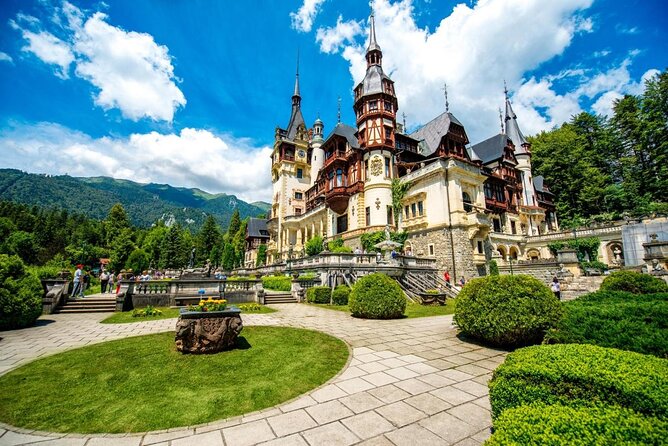
You begin at Peleș Castle, the Neo-Renaissance royal residence set in the Carpathian foothills near Sinaia. It was built for King Carol I, with construction spanning from 1873 to 1914, and it opened for inauguration in 1883. If you care about architecture, this is the kind of stop where details reward a calm pace, not rushing.
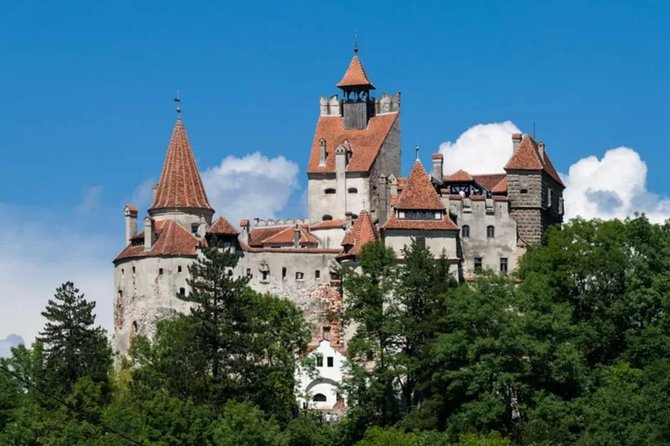
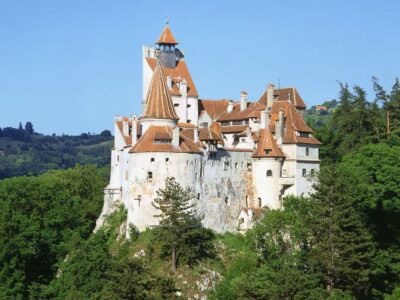
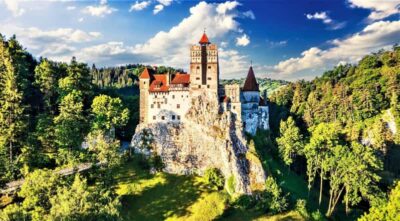
Next comes Bran Castle, the one that everyone associates with Dracula. Even if you are not chasing the folklore, you’ll still appreciate the setting: Bran sits high on rock, with towers and turrets that give it that dramatic, storybook feel. Historically, it was tied to a Teutonic Knights stronghold dating back to 1212 and later documented in 1377 when Saxons received rights connected to the fortress.
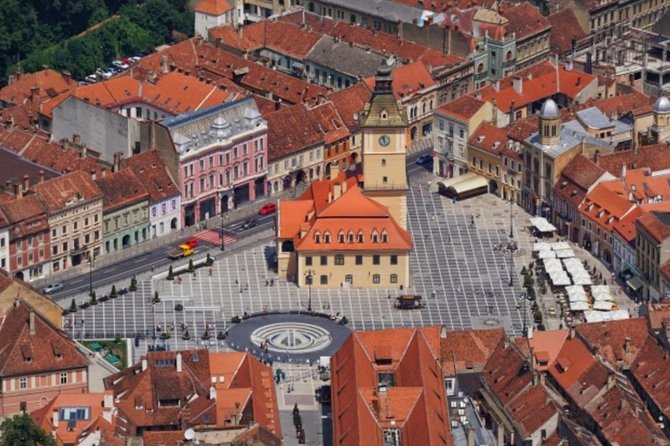
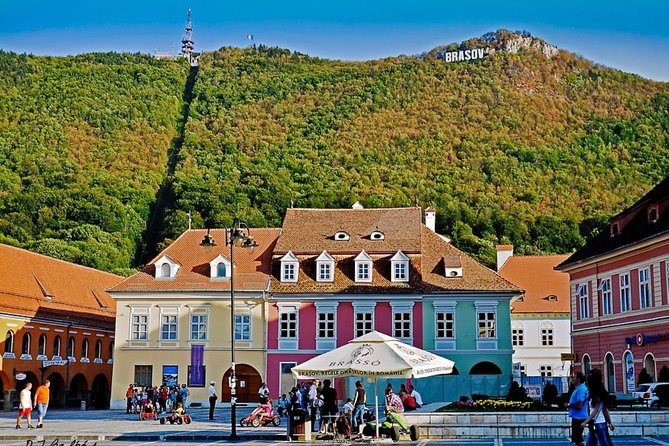
Then you land in Brașov’s Historical Center, where the medieval and Baroque mix is the real show. Cobblestone lanes, colorful buildings, Gothic churches, and the focus around Council Square make it easy to spend time just wandering. The Black Church is the big visual anchor here, and it gives your first day a satisfying “real Transylvania city” finish instead of ending on castle steps.
Practical note for this day: bring layers. Even in warm months, castle interiors and mountain weather can swing, and you’ll be better off with something you can add or remove fast.
Day 2: Rupea Fortress, Viscri Fortified Church, and UNESCO Sighișoara Walls
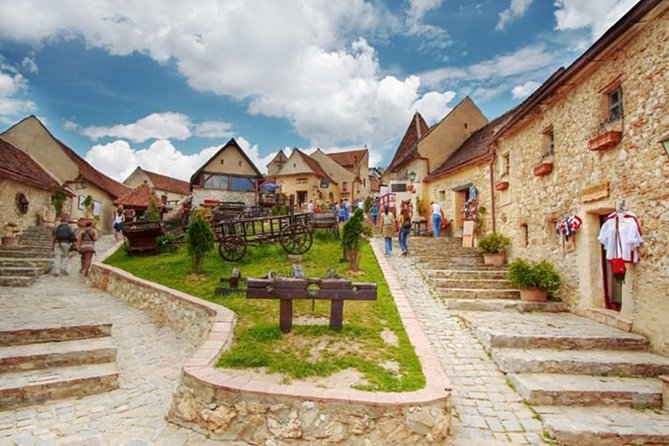
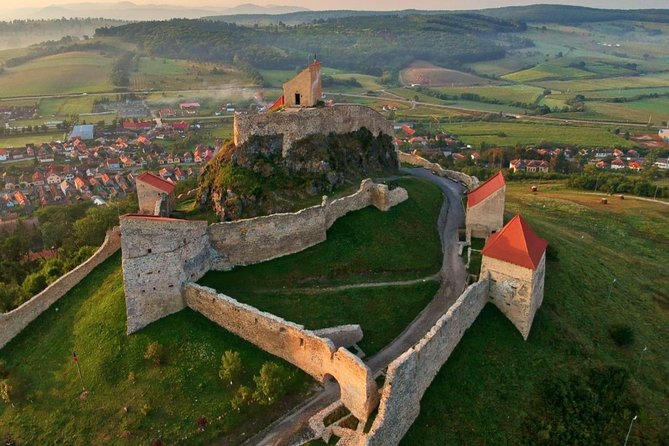
Day 2 starts at Rupea Citadel, one of Romania’s older archaeological sites. What I like about this stop is the timeline: you get hints of Paleolithic and early Neolithic settlement patterns, then a clear medieval arc, including documentary evidence from 1324 connected to Saxons seeking refuge. The citadel name comes from Latin rupes, meaning stone, which is a neat little detail that makes the place feel less abstract.
From there, you head to Viscri Fortified Church, a Lutheran church built by Transylvanian Saxons and now part of a UNESCO World Heritage grouping of fortified churches. This is one of those stops where you can actually see how defense shaped daily life. The church and village layout are part of what UNESCO recognizes, not just the building by itself.
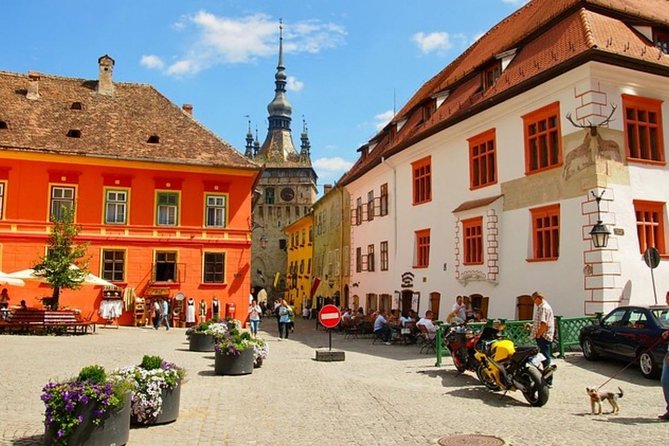
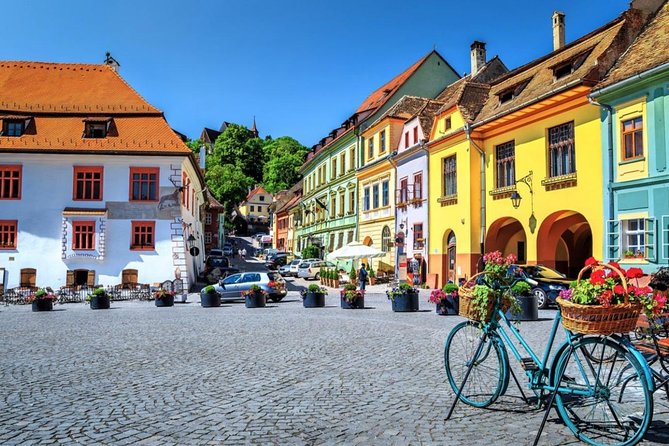
Finally, you finish the day in Sighișoara, with time in its UNESCO World Heritage historical center. The town is enclosed by fortified walls, and the cobbled streets let you move slowly between colorful houses and key landmarks. The Clock Tower overlooks the main square, and the town is tied to Vlad Dracula’s birthplace, which adds a layer of legend without replacing the medieval feel.
What makes this day work: you are not only hitting “famous walls,” you are also seeing how different fortified sites relate to each other across the region. Fortification is the common thread, and by the time you reach Sighișoara, you’ll notice patterns in design and placement.
Day 3: Biertan Fortified Church and Sibiu, Former Capital of Transylvania
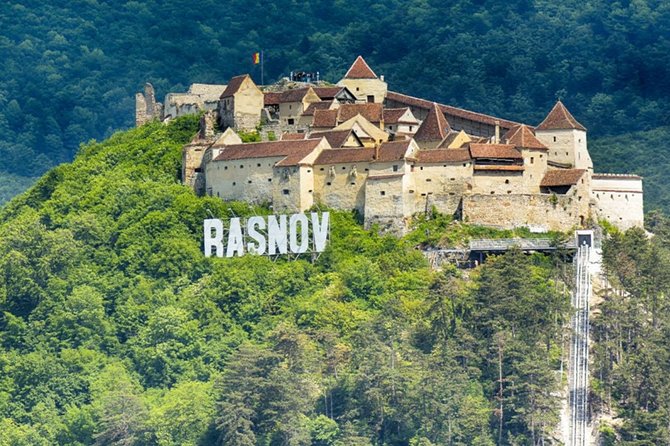
On Day 3 you visit Biertan Fortified Church, perched on a hill above the village. The key idea is defense-by-design: three tiers of high walls, plus towers and gates, formed a complex that was hard to conquer in medieval times. This is the stop where you can really understand why these communities invested so heavily in protective architecture.
Inside, you’ll find late-gothic features and a striking wooden altar, described as the largest Transylvanian multi-paneled wooden altar. There is also a famous wooden door that protected treasures in the sacristy. Even if you do not read Romanian, seeing the scale and craftsmanship helps you grasp why this church is protected as UNESCO heritage.
Then you roll into Sibiu, one of Romania’s major cultural centers. Sibiu was the former center of the Transylvanian Saxons and served as European Capital of Culture in 2007. If you like cities with a “lived-in” feel, Sibiu is a good choice because you get the sense of a place with layers, not a set of backdrops.
You’ll have time to stroll and take in the old town’s layout. One of the best practical advantages here is that Sibiu is a strong final overnight stop before your big mountain-driving day.
Tip for pacing: by day 3, you’ve already seen multiple fortress sites. I’d aim to spend more time actually walking Sibiu on foot instead of rushing through it. It helps reset your brain for the drive tomorrow.
More Transylvania day trips from Bucharest:
- Transylvania and Dracula Castle Full Day Tour from Bucharest
★ 4.5 · 1,589 reviews - Castles of Transylvania: Private Day Trip from Bucharest
★ 4.5 · 248 reviews - 2-Day Medieval Transylvania with Brasov,Sibiu and Sighisoara Tour from Bucharest
★ 4.5 · 145 reviews - 2-Day Transylvania from Bucharest: Brasov, Bran, Sighisoara
★ 5.0 · 60 reviews
Day 4: Transfăgărășan Highway to Bâlea Lake, Vidraru Dam, and Curtea de Argeș
Day 4 is your change of scenery, shifting from medieval towns to high mountain infrastructure. You start with the Transfăgărășan Highway, the DN7C, a paved crossing through the Carpathians and one of Romania’s highest-ranked national roads. It connects historic Transylvania and Wallachia, built as a strategic military route, with a span of around 90 kilometers.
Then you go to Bâlea Lake in the Făgăraș Mountains at 2,034 meters. You can access it by car on the Transfăgărășan road in summer, and in other seasons you use a cable car from the Bâlea Cascadă chalet. There is also mention of an ice hotel in the area that opened in 2006, which adds a fun, unusual angle to the mountain experience.
Next is Vidraru Dam, completed in 1966 on the Argeș River. It creates Lake Vidraru and was built primarily for hydroelectricity. If you enjoy technical travel, the scale is impressive: the dam is 166 meters high and stores a large reservoir capacity, with a 28 km shoreline.
Finally, you end at Curtea de Argeș Monastery, with the cathedral dedicated to Dormition of the Mother of God. The early 16th century cathedral sits within the monastery grounds, and it uses pale grey limestone facing with a brick interior and frescoes. The area also links to a legend involving Meșterul Manole, a story people associate with the mystery of construction that never quite finishes the way it should.
This is a long day by nature, so if you care about photos, I recommend asking your guide where light is best and which viewpoints are quickest to reach.
Price and Logistics: What You Pay For, and What You Must Budget
At $872.67 per person, this is not a budget tour. The value is that it is private, you get pickup, and your transport is air-conditioned. You are also buying a route that strings together multiple regions with overnight stays, which is exactly where a DIY plan often turns into time-consuming transfers.
What is not included is the real-world cost of staying fed and booked into hotels. Accommodation is not included, and a hotel room is listed at an average of about $70 per night with breakfast. Meals are also not included, with a typical restaurant meal cost around $15 to $20 per person.
Finally, attraction entrances are not included in the tour price, with a budget of about $35 to $40 per person for cumulative entrances. That matters because castles and churches can add up quickly, so it is smart to carry some spending money even if a few stops look straightforward on paper.
If you compare total costs, the best way to think about it is simple: you are paying for convenience and local driving coverage. If you hate planning the route, or you want to see “everything important” without public transport hassles, this price can start to make sense.
The Private Guide Factor: Mircea’s Pace and Practical Help
A private tour lives or dies on the guide. In the strong feedback for this experience, Mircea comes up as a standout, with mentions of his knowledge and his ability to keep things comfortable for the group, even when names and pronunciations get tricky.
Even if your guide is someone else, the format still gives you the same benefit: you can ask why a place matters, not just what it is called. It also helps with timing, because you can adjust when a site needs extra time for photos or when a group wants a quicker walk-through.
Who This Tour Fits Best
This itinerary is a great match if you want a first serious Transylvania trip and you want both famous stops and fortified heritage sites, in one loop. It also suits families or couples who want comfort and control without having to drive or coordinate between towns.
If you are the type who likes to linger in towns, you may want to pace yourself on the car-heavy mountain portions. On the other hand, if you love a structured route with big highlights every day, you’ll probably feel satisfied by how the days build on each other.
Should You Book This 4-Day Private Transylvania Tour?
Book it if you want a private, efficient route with classic castles, UNESCO heritage sites, and Romania’s signature mountain road day. The private vehicle, pickup offer, and flexible program are strong reasons to choose it over DIY.
Pass or consider alternatives if you are trying to keep the trip as low-cost as possible. The tour price is high compared to group travel, and you still have to budget hotels, meals, and entrances on top.
If you like history but also want comfort and clear logistics, this is the kind of tour that saves you planning time and gives you a well-rounded Transylvania sample.
FAQ
Where does this tour start?
The tour starts in Bucharest, Romania, with pickup offered. The start time is 9:00 am.
How long is the private tour?
It runs for about 4 days.
Is this tour private or shared?
It is private. Only your group participates.
What is the price per person?
The price is $872.67 per person.
What is included in the tour price?
Private transportation and an air-conditioned vehicle are included.
Is accommodation included?
No. Accommodation is not included, and the average hotel room cost is about $70 per night with breakfast.
Are meals included?
No. Meals are not included. A typical restaurant meal costs about $15 to $20 per person.
Are attraction tickets included?
Entrances are not included. Entrance costs are listed as cumulative $35 to $40 per person.
Is the tour flexible?
Yes, the program is described as flexible and it can be customized to your preferences.
What is the cancellation policy?
Free cancellation is allowed up to 24 hours in advance for a full refund. If you cancel less than 24 hours before the start time, you will not receive a refund.
Recently added around Bucharest
- Bucharest: Dealu Mare Winery Private Trip with Wine Tasting★ 4.9 · 6 reviews
- Winery touring & private wine tasting – one day private tour★ 5.0 · 3 reviews
- Traditions in Bucharest: Village Museum and Wine Tasting★ 5.0 · 8 reviews
- Village Museum Bucharest Guided Tour★ 5.0 · 6 reviews
- Your rendez-vous with Europe’s past: time-travel to Maramures, Transylvania★ 5.0 · 6 reviews
- Walking Tour of Bucharest City Center – Private Tour★ 5.0 · 4 reviews
- Wine tasting in Bucharest Old town – bonus cheese platter★ 4.5 · 6 reviews
- Private Wine Tasting at Bucharest’s First Wine Bar★ 5.0 · 3 reviews
Brasov Day Trips, compared.
Dracula’s Castle, Peles Castle, & Brasov Old Town
Read our review →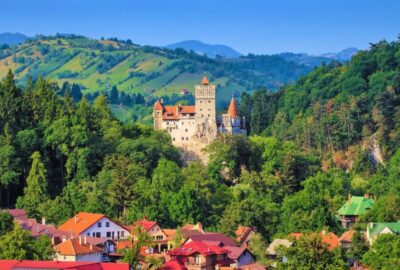
Dracula Castle, Peles Castle & Brasov Old Town
Read our review →
Dracula’s Castle, Peleș Castle & Brașov Day Trip
Read our review →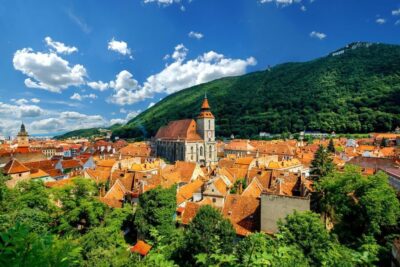
Day Trip to Dracula Castle, Peles Castle & Brașov
Read our review →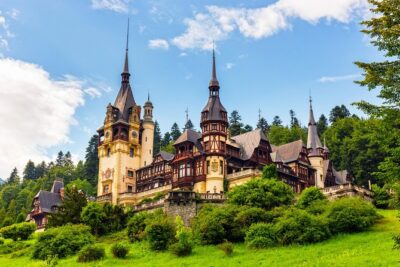
Bucharest to Dracula Castle, Peles Castle and Brasov Guided Tour
Read our review →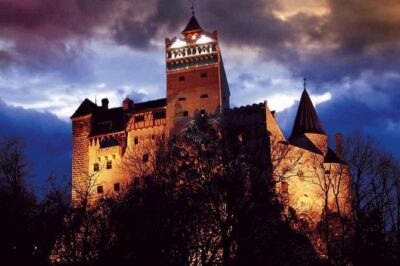
Dracula’s Castle, Peles Castle and Brasov Day Trip from Bucharest
Read our review →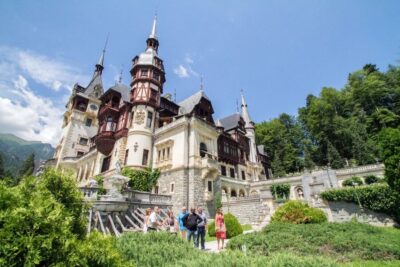
Peles Castle, Bran Castle, & Brasov Old Town Tour
Read our review →Browse the lists this tour appears in